

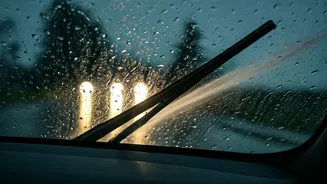



1. Windshield Wipers: Your First Line of Defense
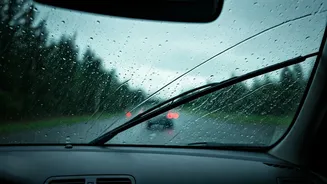
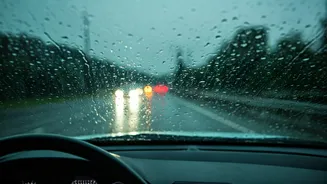
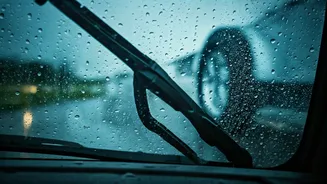
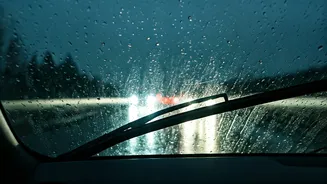
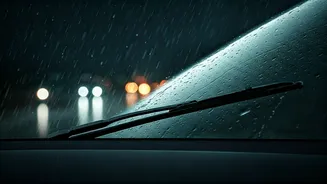
Visibility is everything in a storm. If your wipers are streaking, chattering, or smearing water instead of clearing it, they are past their prime. Most experts recommend replacing wiper blades every six to twelve months, but environmental factors like
intense sun and ice can shorten that lifespan. You can test them easily with your windshield washer fluid. If they leave streaks, it’s time for a new pair. It’s an inexpensive and simple DIY fix that makes a world of difference when the skies open up. Don’t forget to check your rear wiper if you have one, and top off your washer fluid reservoir with a formula designed to repel rain.
2. Tire Tread and Pressure: Your Grip on the Road
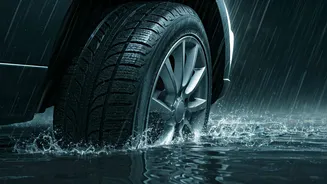
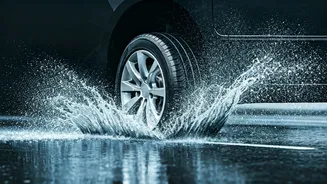
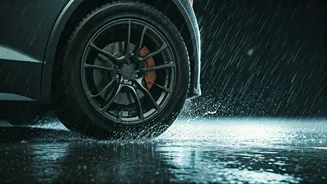
Your tires are the only part of your car that actually touches the road, and in the rain, their job is twice as hard. Worn tires can’t effectively channel water away, leading to hydroplaning—a dangerous situation where you lose steering and braking control. To check your tread, use the classic penny test: insert a penny into the tread with Lincoln's head upside down. If you can see the top of his head, your tires are likely too worn and need replacement. Also, check your tire pressure when the tires are cold. The correct PSI is listed on a sticker inside your driver’s side door jamb, not on the tire itself. Properly inflated tires provide better traction and a safer ride.
3. Headlights and Taillights: See and Be Seen
When rain reduces visibility, your lights are crucial for seeing the road and for other drivers to see you. Do a quick walk-around of your vehicle. Have a friend or family member help you check your headlights (both low and high beams), taillights, brake lights, and turn signals. A burned-out bulb is a cheap fix, but a ticket or an accident is not. Also, inspect your headlight covers. Over time, plastic lenses can become foggy or yellowed, significantly reducing their brightness. You can find simple restoration kits at any auto parts store that can clear them up in under an hour, dramatically improving your nighttime and rainy-day visibility.
4. Brakes: The Ultimate Safety System
Your brakes can feel different in wet conditions. It takes longer to stop on a slick road, so you need your brake system to be in top condition. While a full brake inspection is best left to a professional, you can still listen for warning signs. Do you hear any squealing, grinding, or screeching when you apply the brakes? Does the pedal feel spongy or do you have to press it almost to the floor? Does your car pull to one side when braking? If you notice any of these symptoms, get your brakes checked immediately. Healthy brakes are non-negotiable for safe driving in any weather, but their importance is magnified in the rain.
5. Defroster and HVAC: Clear the Fog
Rainy weather often brings humidity, which means your windows can fog up in a hurry, obscuring your view from the inside. Before the season starts, test your car’s defrost and air conditioning systems. Turn on your front and rear defrosters to ensure they are blowing air and heating up correctly. Your car’s air conditioner is also a key player here, as it acts as a dehumidifier. Running the A/C (even with the heat on) is the fastest way to clear a foggy windshield. A quick check now will save you from frantically wiping the inside of your windshield with a napkin while trying to navigate a downpour.
6. Emergency Kit: The Just-in-Case Essentials
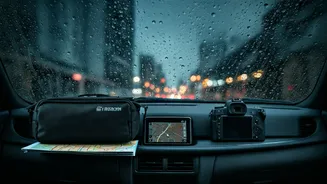
Even with perfect preparation, things can go wrong. A well-stocked emergency kit provides peace of mind. While a winter kit is more extensive, a rainy season kit should at least include a durable flashlight with extra batteries, a first-aid kit, jumper cables, a rain poncho, and a towel. It's also wise to have some non-perishable snacks and bottled water. These items won't prevent a breakdown, but they will make waiting for assistance much safer and more comfortable, especially if you're stuck on the side of a busy, wet highway.