



A Symphony in the Himalayas
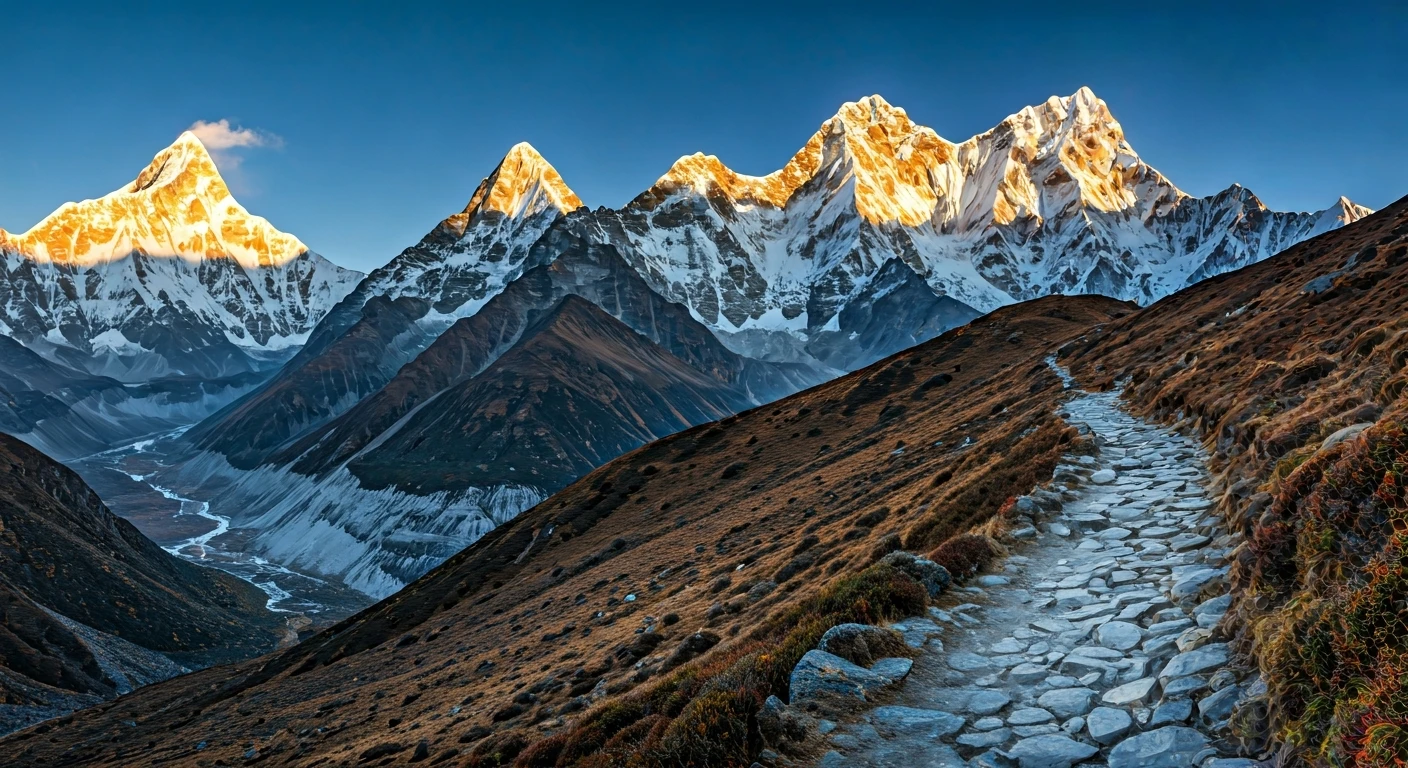
Every summer, the quiet grandeur of Ladakh, a remote cold desert region nestled in the Indian Himalayas, erupts in a riot of sound and color. The epicenter of this transformation is the Hemis Monastery, the largest and wealthiest monastery in the region.
For two days, its stone courtyard becomes a stage for one of Tibetan Buddhism's most spectacular events. Pilgrims and travelers from around the world ascend to this perch, over 12,000 feet above sea level, to witness the Hemis Festival. The air, usually thin and crisp, becomes thick with the scent of burning juniper incense, the clash of cymbals, the deep drone of monastic horns, and the rhythmic beat of drums. It’s a sensory overload in the best possible way—a vibrant, living tradition set against a backdrop of stark, breathtaking mountain scenery.
The Legend of the Lotus-Born Master
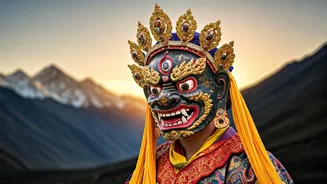
At its heart, the Hemis Festival celebrates the birth anniversary of Guru Padmasambhava, also known as Guru Rinpoche, the revered 8th-century master credited with bringing Tantric Buddhism to Tibet. He is considered by many to be a second Buddha. The festival isn’t just a party; it's a deeply spiritual act of remembrance and devotion. The performances and rituals are designed to honor his life and teachings, which emphasize compassion and the triumph of good over evil. Lamas, or spiritual teachers, don elaborate masks and costumes to personify various deities, demons, and historical figures from Buddhist lore. Each movement and gesture is codified, part of a sacred tradition passed down through generations. For observers, it’s a powerful, moving display of faith that transcends language.
The Spectacle of the Cham Dance
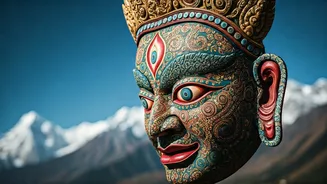
The main attraction of the festival is the *Cham*, a series of sacred masked dances. These are not simply performances for entertainment; they are a form of meditation and a religious offering. The monks who perform them undergo intense spiritual preparation. The masks themselves are works of art—some serene and divine, others terrifyingly demonic, representing the complex forces at play in the universe and within the human mind. The dances depict the subjugation of evil spirits by Guru Padmasambhava, serving as a powerful moral lesson and a ritual to cleanse the land and its people of negativity. The spectacle culminates in the destruction of a dough effigy, symbolizing the ultimate victory of good. Every 12 years, the festival becomes even more significant with the unveiling of a giant, ancient silk tapestry, or *thangka*, depicting Guru Padmasambhava, an event that draws immense crowds.
More Than Just a Festival
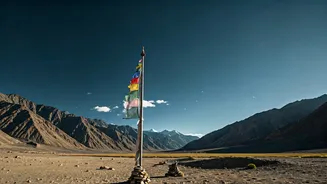
While the Hemis Festival is a major draw, it also serves as a gateway to understanding Ladakh itself. In an era of homogenized global culture, Ladakh remains fiercely unique. Its identity is inextricably linked to Tibetan Buddhism and a traditional way of life adapted to one of the world's harshest environments. The festival offers a concentrated dose of this culture, but the spirit of Hemis is found everywhere—in the prayer flags fluttering on mountain passes, the ancient monasteries clinging to cliffsides, and the warm hospitality of the Ladakhi people. The headline's notion of 'culture goals' isn't just about snapping an incredible photo of a masked dancer. It's about the opportunity to witness a profound spiritual tradition that has remained vibrant and unbroken for centuries, offering a perspective far removed from the daily grind of the modern West.