






The Problem Isn't the Fruit, It's the Water
The fundamental issue with food safety during monsoon season comes down to one thing: water. Heavy, persistent rains can overwhelm local sanitation systems, causing sewage and other contaminants to mix with the public water supply. This contaminated water is often
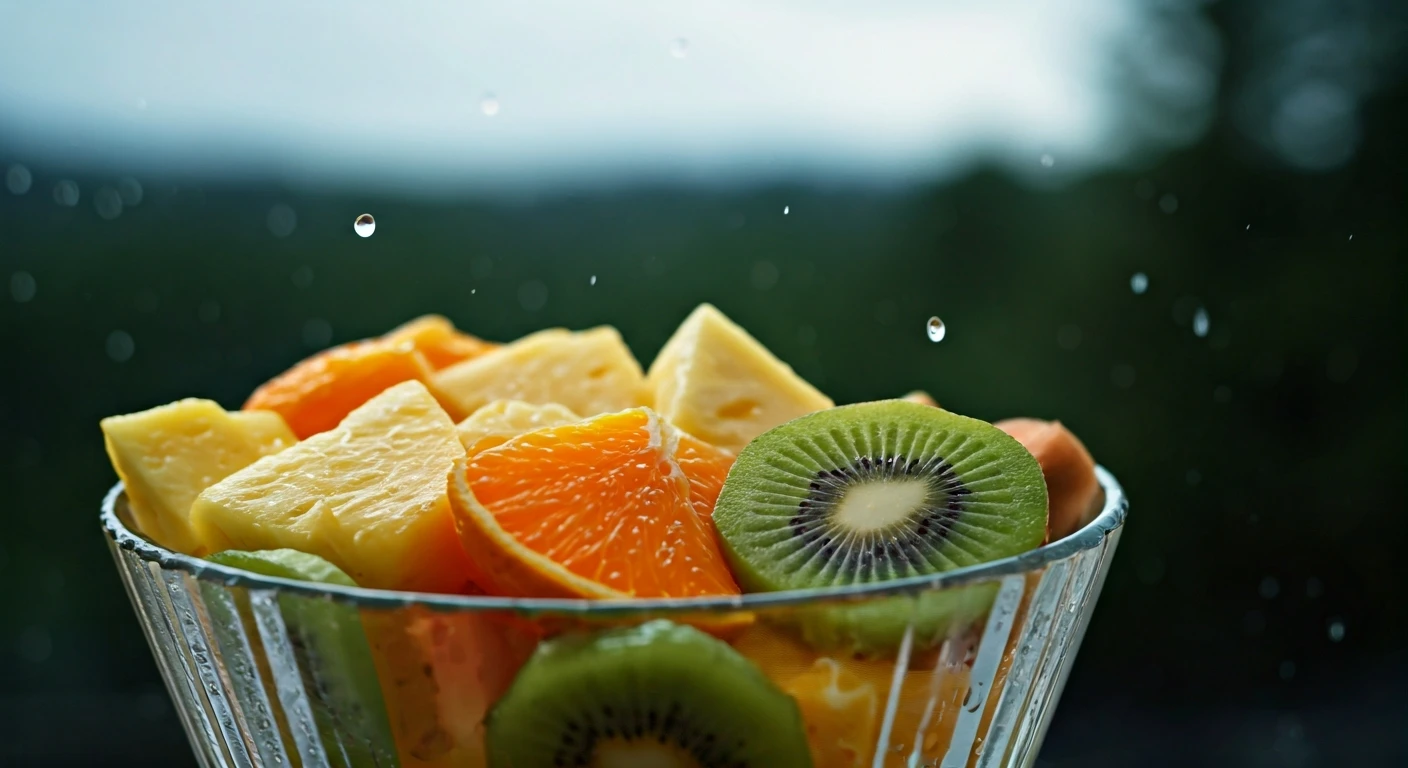
used by street vendors for everything from washing produce to cleaning their knives and cutting boards. Even a quick rinse can transfer harmful bacteria and viruses, such as E. coli, Salmonella, and Norovirus, onto the surface of the fruit. Unlike a sealed, whole fruit, a cut piece has no natural barrier to stop these pathogens from thriving on its sugary, exposed flesh.
A Perfect Breeding Ground for Bacteria
Monsoon climates are defined by high heat and extreme humidity, creating a perfect incubator for microbial growth. When fruit is cut, its cellular structure is broken down, releasing sugars and moisture. This creates an ideal surface for any bacteria introduced from a dirty knife, contaminated water, or unwashed hands to multiply at an exponential rate. A slice of melon that might have been safe for a few minutes can become a potent source of illness after sitting out on a cart for an hour in the sweltering, damp air. This risk is significantly lower with fruits that remain whole, as their peels provide a natural defense against environmental contaminants.
The Danger of Cross-Contamination
Think about the environment where street fruit is often prepared. A vendor might use the same knife and cutting board for dozens of different fruits throughout the day, with infrequent and often inadequate washing in between. The board itself, typically made of wood or plastic, can harbor bacteria in tiny nicks and grooves. Furthermore, flies and other insects, which are more prevalent around the stagnant water common in monsoon season, are notorious vectors for disease. They can easily land on exposed fruit, transferring filth and pathogens from a nearby garbage pile or drain directly onto the food you’re about to eat. This chain of cross-contamination is a major contributor to traveler's diarrhea and more severe gastrointestinal infections like cholera and typhoid fever.
How to Enjoy Fruit Safely
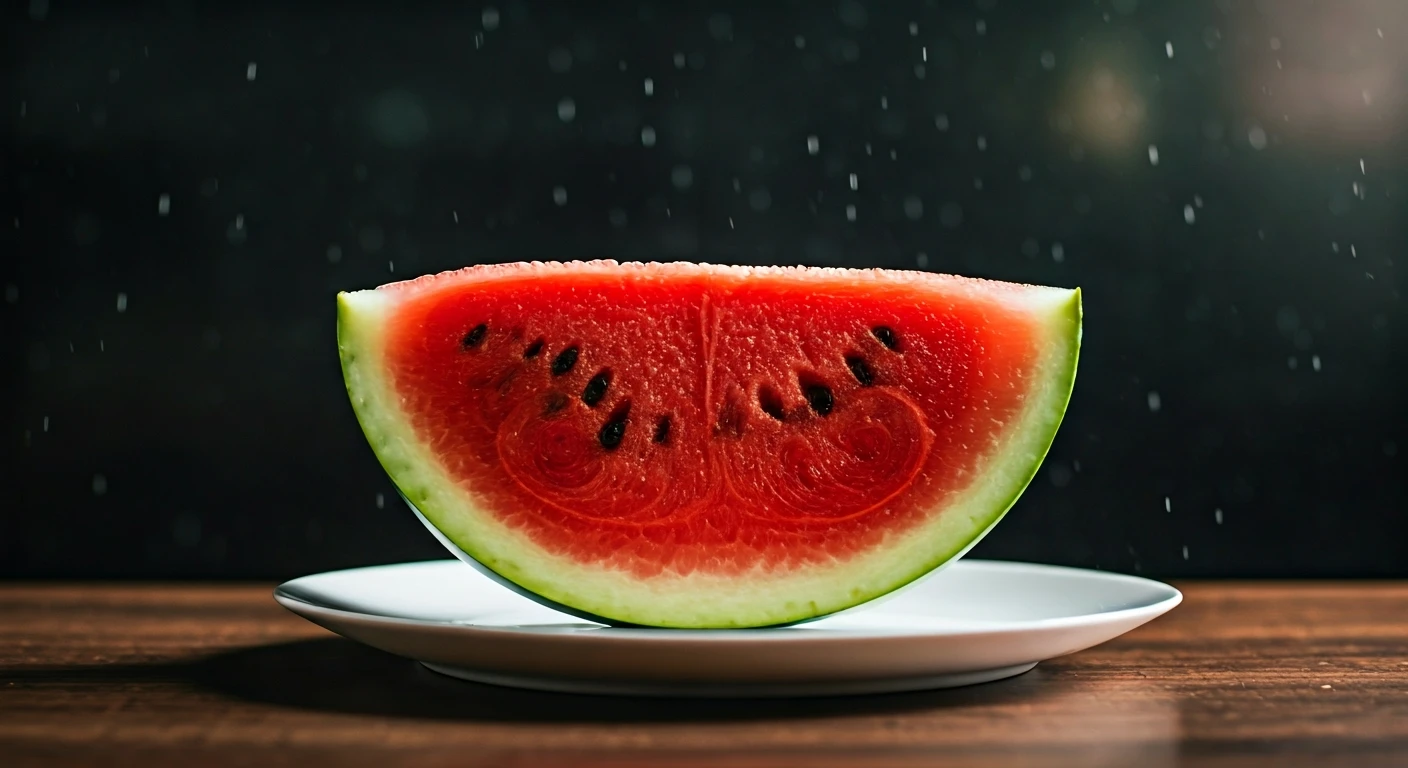
This warning doesn't mean you have to avoid fruit entirely. The key is to be selective and follow a few simple rules. The travel health mantra—“boil it, cook it, peel it, or forget it”—is your best guide. Opt for fruits with thick skins that you can peel yourself. Bananas, oranges, mangoes (that you peel), and lychees are excellent choices because you control the clean surface your hands touch and the pristine fruit inside. If you’re craving something like watermelon or pineapple, only buy it if you can watch the vendor cut a fresh one for you. Politely refuse any pieces that have been sitting out. It’s also wise to carry a small bottle of hand sanitizer and use it before peeling or eating anything.