
First, What Is Chaat?
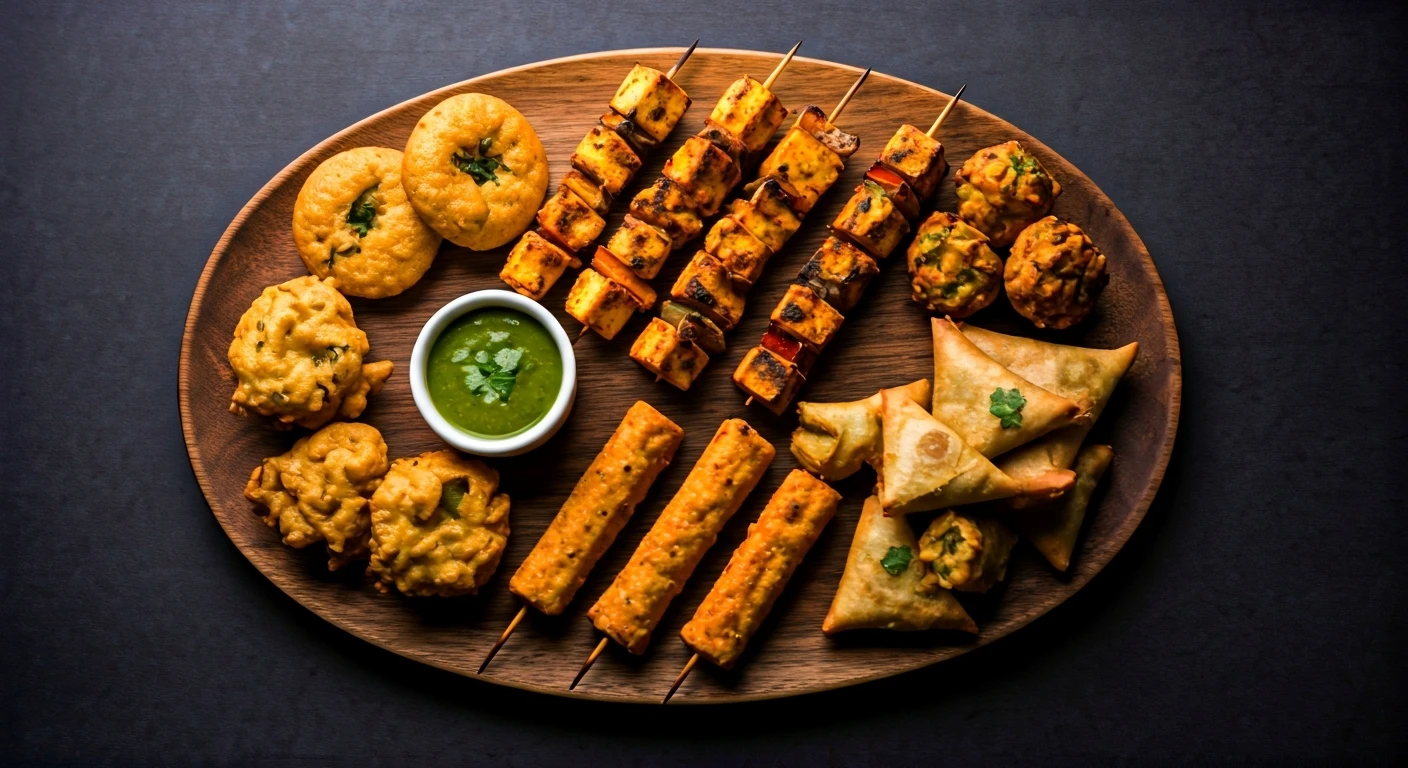
Before you can appreciate the flex, you need to understand the source. Chaat isn't a single dish; it’s an entire category of savory, crunchy, mind-bendingly delicious street food from India and across South Asia. Think of it as a philosophy of flavor,
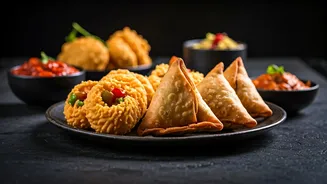
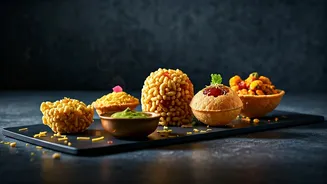
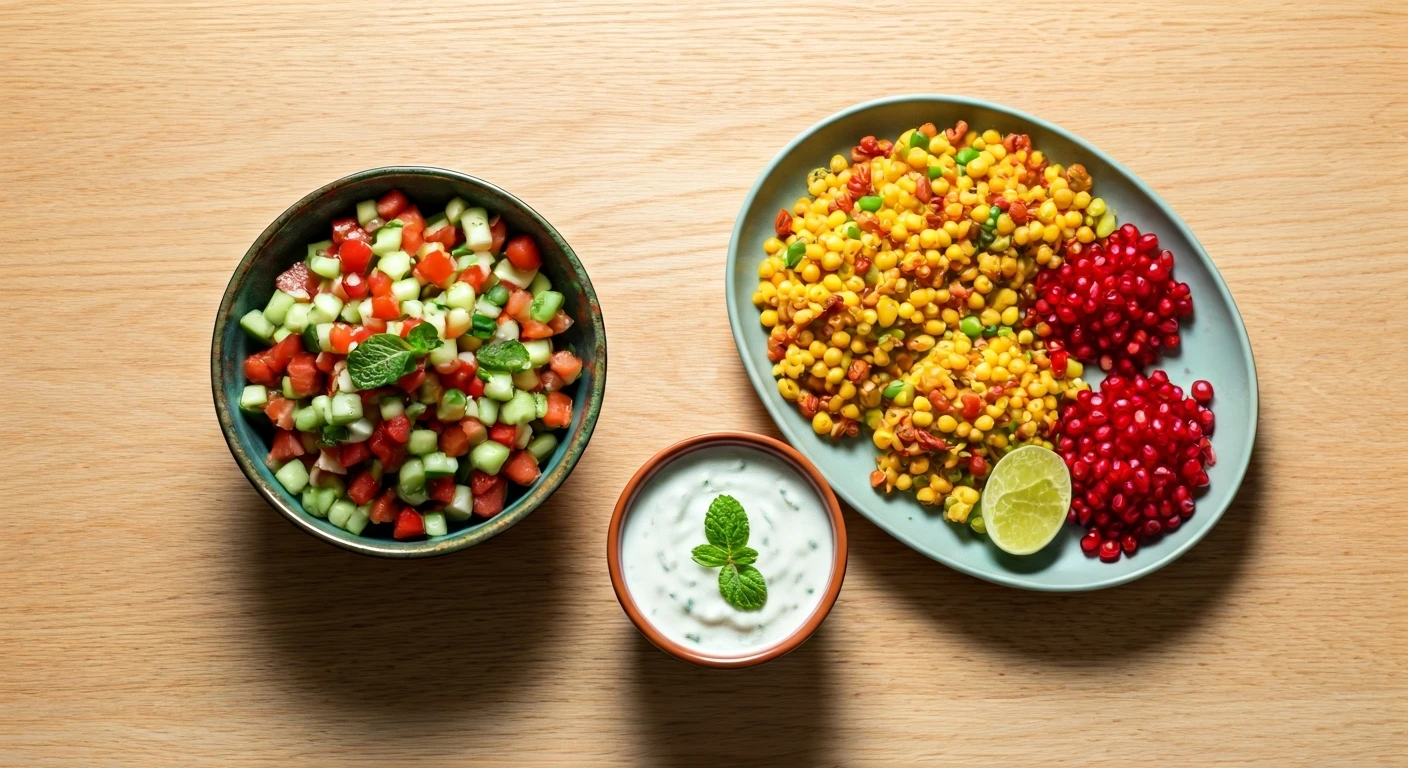
built on a foundation of contrasts. At its heart, chaat is a sensory explosion. It typically starts with a crispy base—like a fried dough wafer (papdi), a hollow puri shell, or a potato patty (aloo tikki). Then come the layers. Tangy tamarind chutney provides sweetness. A vibrant green chutney of mint, cilantro, and chili brings fresh heat. Cool, creamy yogurt soothes the palate, while finely chopped onions and tomatoes add texture. It's often finished with a sprinkle of chaat masala—a complex spice blend with funky black salt (kala namak), sour dried mango powder (amchur), and cumin—and a shower of sev, crunchy fried chickpea flour noodles. The result is a perfect bite that is simultaneously sweet, sour, spicy, savory, cool, and crunchy. It’s a full-on party in your mouth, and for decades, you had to find a street cart or a specialty restaurant to experience it.
From Street Stall to Supermarket Shelf
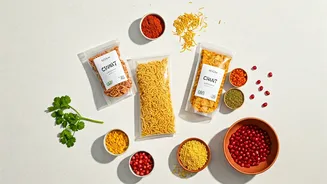
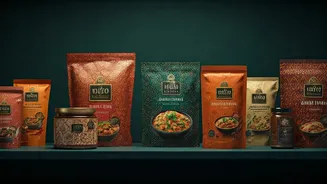
Now, that flavor party is happening in the snack aisle. A new generation of food companies, many founded by South Asian-Americans, are translating the chaat experience into consumer-packaged goods. This isn't the watered-down, vaguely “curry-flavored” chip of yesteryear. These are snacks that proudly wear their heritage. You might find potato chips dusted with a complex chaat masala, puffed lentil snacks that mimic the texture of bhel puri (a popular chaat made with puffed rice), or gourmet nuts tossed in tamarind and chili. Brands like The Cumin Club and Paro are creating products that explicitly name-check chaat, betting that consumers are ready for the real deal. They’re deconstructing the chaat experience and rebuilding it in a shelf-stable, grab-and-go format. This move preserves the core flavor profile—that addictive sweet-and-sour tang and warming spice—while making it accessible to anyone with a pantry.
More Than Just a Flavor Trend
So why is this happening now? A few cultural currents are converging. First, the American palate has become significantly more adventurous. Decades of expanding access to global cuisines, from Sriracha to gochujang to tajín, have trained consumers to crave complexity and heat. Simple, one-note flavors are no longer enough for a growing segment of the market, particularly Millennials and Gen Z, who prize authenticity and novel experiences. Second, this is a story of representation and ownership. Many of the brands leading this charge are founded by entrepreneurs who grew up with these flavors. They aren't just chasing a trend; they’re sharing a piece of their identity. They have the cultural fluency to translate chaat authentically, avoiding the pitfalls of clumsy appropriation. By launching these products, they are reclaiming their culinary narrative and introducing it to a wider audience on their own terms, without simplification. This founder-led authenticity is a powerful marketing tool in itself.
Defining the 'Product Flex'
This brings us to the “flex.” In today’s crowded market, launching a chaat-inspired snack is a statement. It signals that a brand is confident, culturally aware, and trusts its customers. The flex is about moving beyond generic “Indian spice” and embracing the specificity of a beloved, complex food category. It’s a declaration that your brand understands nuance. For a company to put something like “Tamarind & Mint Chutney” on a bag of chips, it’s flexing its product development muscles and its understanding of the modern consumer. It’s a calculated risk that says, “We believe you’re ready for this. We believe you’ll get it.” This confidence is magnetic. In a world of endless chip flavors, one that tells a specific, authentic story stands out. It’s a way for smaller brands to compete with giants, not on price, but on personality, flavor, and cultural capital. It’s the ultimate edible boast: our flavors are more interesting than yours.