
The Backlash Against 'More'
For years, the internet’s logic was simple: more is more. More clothes from fast-fashion hauls, more gadgets, more niche aesthetics to try on and discard. But a collective exhaustion has set in. The very platforms that fueled this hyper-consumption are
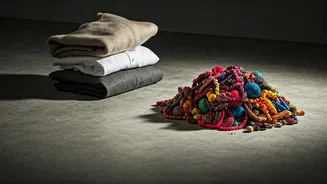
now hosting its eulogy. The 'de-influencing' trend, where creators advise followers *not* to buy overhyped products, is a direct symptom of this fatigue. Young consumers are questioning the endless cycle of purchasing promoted by algorithms and influencers. They’ve seen the mountain of barely-worn Shein outfits and the graveyard of viral Stanley cup colors. The desire isn't to stop having nice things, but to stop participating in a system that feels wasteful, expensive, and ultimately, meaningless. The new status symbol isn’t owning the latest thing; it’s being smart enough to have opted out.
When 'Making Sense' Means Making Cents
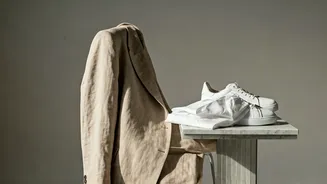
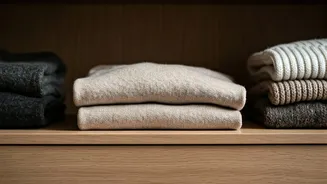
Let’s be clear: this isn't just an abstract philosophical shift. It's deeply rooted in economic reality. Millennials and Gen Z are navigating a landscape of student debt, stagnant wages, and skyrocketing living costs. In this context, spending $50 on a trendy top that will be out of style in three weeks simply doesn't 'make sense.' The focus is shifting to longevity and value. Concepts like 'cost per wear' are moving from niche fashion blogs to mainstream consciousness. A well-made, versatile, and timeless piece of clothing, furniture, or technology might have a higher upfront cost, but its durability makes it the more logical economic choice. This practical calculus is reshaping what 'aspirational' looks like. It’s less about a flashy logo and more about the quiet confidence of owning something that is built to last, freeing up financial and mental energy for other things.
Values as the New Vibe
The aesthetic choices that 'make sense' are also the ones that align with a person’s values. For a generation raised with an acute awareness of the climate crisis and labor issues, the hidden costs of overconsumption are impossible to ignore. A $5 t-shirt loses its appeal when you consider the environmental toll of its production and the conditions of the workers who made it. This has fueled a surge of interest in secondhand shopping, mending, and supporting brands with transparent supply chains. It's not about achieving perfect, performative sustainability—a goal that can feel paralyzing. Rather, it’s a pragmatic effort to reduce harm and make purchasing decisions that don’t feel ethically compromised. An 'aesthetic' is no longer just a visual mood board; it’s an expression of what you stand for. If a choice feels exploitative or wasteful, it simply can’t be cool.
Finding a Personal Uniform
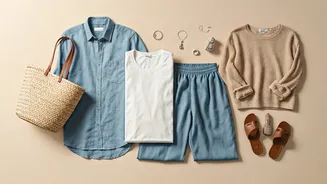
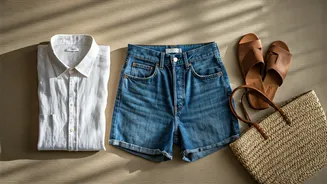
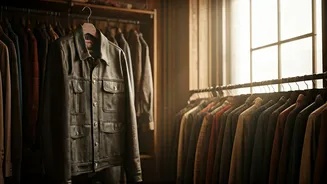
Perhaps the most profound shift is the turn inward. The constant pressure to adopt and perform a rotating cast of online identities—'cottagecore,' 'clean girl,' 'mob wife'—has led to a desire for a stable, authentic self. Instead of asking, 'What’s the vibe this week?', young people are asking, 'What actually feels like *me*?' This has led to a renaissance of the 'personal uniform.' It's the art of curating a collection of items that genuinely work for your life, your body, and your personality, regardless of what’s trending. It’s a quiet rebellion against the algorithm. An aesthetic that 'makes sense' is one that doesn’t need to be explained or justified by a TikTok sound. It’s personal, consistent, and provides a sense of stability in a chaotic digital world. It’s the ultimate form of self-expression: not having to constantly express yourself.