



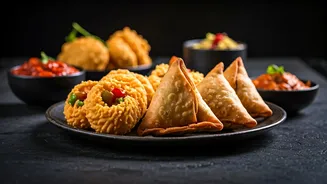
The Symphony of the Street
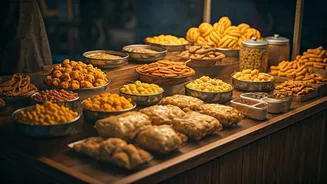
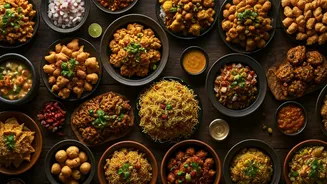
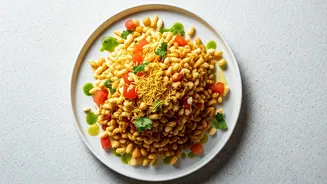
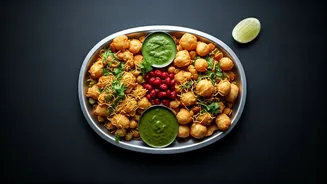
Before we talk business, you need to understand chaat. It’s less a single dish and more a vast, beloved category of savory snacks. Imagine a flavor profile that hits every note simultaneously: sweet, sour, tangy, spicy, and salty. Now add a jumble of contrasting
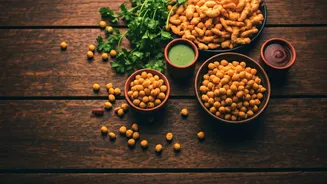
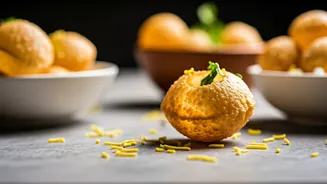
textures: the crisp crunch of fried dough, the soft give of boiled potatoes and chickpeas, the cool creaminess of yogurt, the sharp bite of raw onion, and the fine, brittle snap of sev (crunchy chickpea flour noodles). From the water-filled spheres of pani puri that explode in your mouth to the puffed rice mixture of bhel puri tossed with chutneys, chaat is a sensory overload in the best possible way. It’s traditionally an impromptu, social food, whipped up in minutes by a street-side vendor, or “chaat-wallah,” with a practiced, almost acrobatic flair. It’s fresh, fast, and fundamentally ephemeral.
The Unpackable Food Puzzle
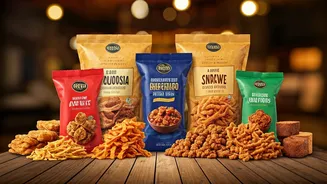
For the world of consumer packaged goods (CPG), chaat presented a nightmare. The entire industry is built on consistency and shelf-life, two concepts that are the sworn enemies of good chaat. How do you package a dish whose defining characteristic is the fresh combination of wet and dry ingredients? Pre-mix them, and the crunchy puri turns to mush. The puffed rice becomes a soggy tragedy. The yogurt, a key ingredient in dishes like dahi puri, presents obvious spoilage and refrigeration challenges. The magic of chaat is in the final-second assembly. For decades, this made it the exclusive domain of street stalls and home kitchens. Big brands could sell potato chips and simple fried snacks (called ‘namkeen’), but the complex, multi-component experience of chaat remained stubbornly out of reach. It was the Everest of the Indian snack market.
Cracking the Code with the DIY Kit
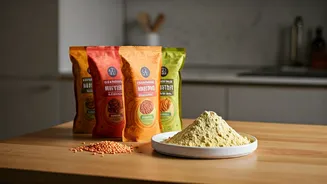
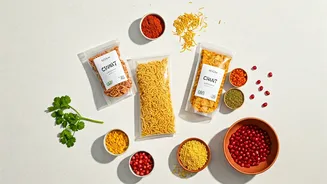
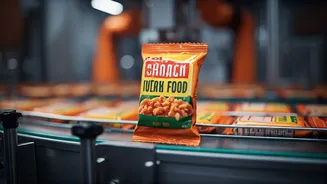
The breakthrough didn’t come from a single magical invention, but from a simple, elegant realization: if you can’t package the final product, then package the process. Companies like Haldiram’s and Bikaji, titans of the Indian snack industry, pioneered the deconstructed chaat kit. Inside a single box, they separated the components. A typical bhel puri kit, for example, contains a bag of puffed rice and sev, and then separate, sealed pouches of tamarind chutney (sweet and sour) and green chili-mint chutney (spicy and fresh), often in a concentrated paste or powder form. The pani puri kit offers the hollow, crisp spheres, a packet of spiced potato-and-chickpea filling, and powders to make the essential tangy water. The consumer does the final, easy step of assembly at home. This approach ingeniously preserved the textures and flavors, transforming the buyer into their own personal chaat-wallah while offering the convenience and hygiene assurance that many urban consumers crave.
A Billion-Dollar Craving
This innovation unlocked a massive market. India's packaged snack industry is worth billions, and for years it was dominated by Western-style chips and simple, traditional fried goods. By successfully packaging chaat, companies tapped into a deep well of nostalgia and national pride. They weren't just selling a snack; they were selling a convenient, safe version of a core cultural experience. Now, the market is evolving even further. Startups and established players are experimenting with retort packaging (a form of heat sterilization) to create ready-to-eat versions of dishes once thought impossible, like shelf-stable dahi vada (lentil fritters in yogurt). Major brands like ITC and even global players are eyeing the space, realizing that the future of snacking isn't just about new flavors of potato chips, but about delivering authentic, complex meal experiences in a convenient format. This shift represents the maturation of the market, moving from simple snacks to what the industry calls “snackification”—turning full-fledged meal concepts into on-the-go options.