




Witness the Monsoon’s Grand Arrival
In much of the world, rain is a reason to stay inside. In Kerala, the arrival of the southwest monsoon around the first week of June is a spectacular, celebrated event. This isn’t a dreary, all-day drizzle. The early monsoon is theatrical: dramatic, dark
clouds roll in from the Arabian Sea, unleash a powerful, soul-cleansing downpour for an hour or two, and then give way to bright, clean sunshine. You get the drama without sacrificing your entire day. Being there to witness the very first rains—an experience locals cherish—is a privilege that travelers in July or August miss. It’s nature’s opening night, and you have a front-row seat.
Lush Landscapes Without the Crowds
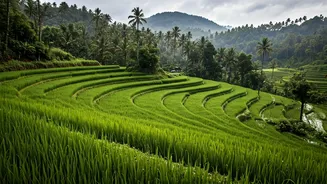
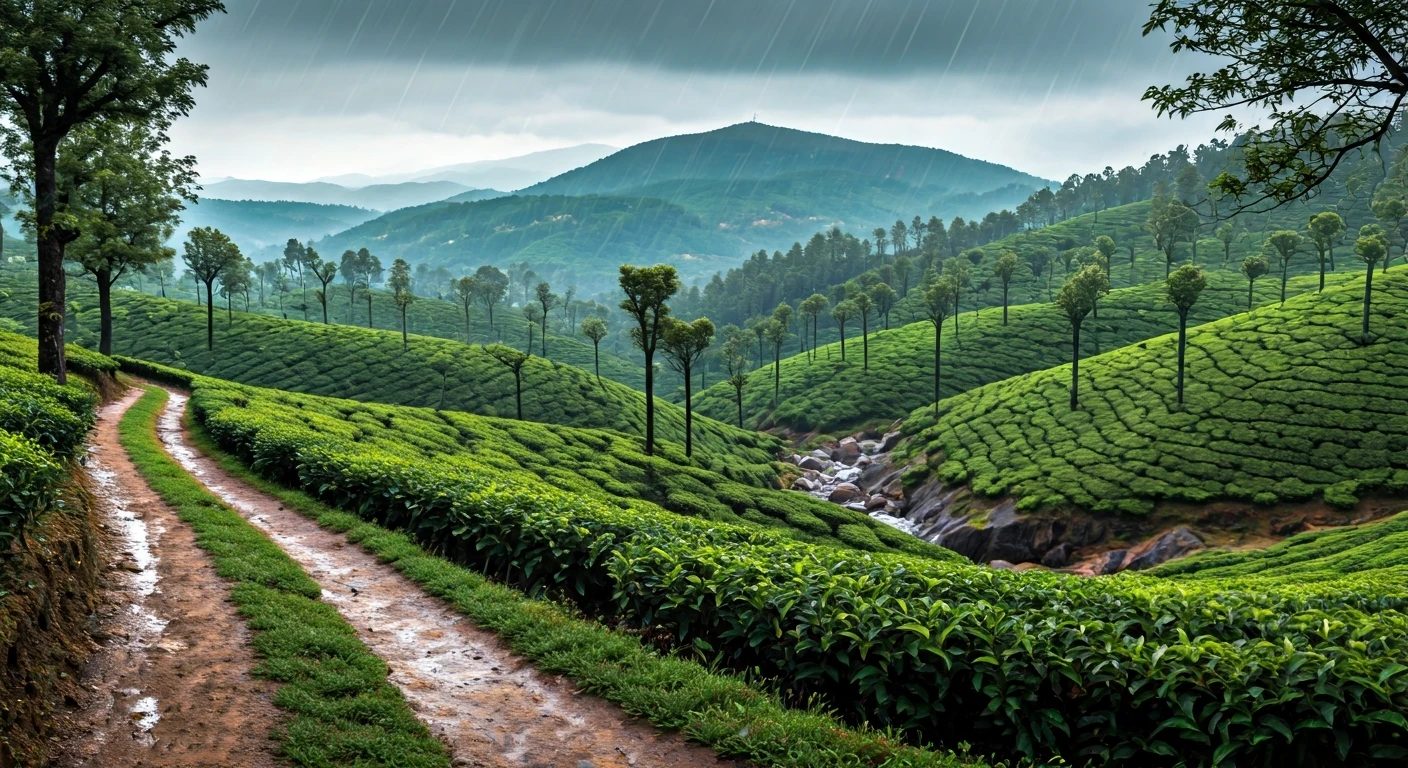
They call Kerala “God’s Own Country” for a reason, and that reason is never more apparent than in June. The first rains act like a saturation filter on the entire landscape. The emerald tea plantations of Munnar become impossibly vibrant, the backwaters of Alleppey reflect moody, dramatic skies, and the dust of the dry season is washed away, revealing a world of vivid color. Because this is considered the “off-season” by conventional standards, you get to experience this hyper-real beauty without the jostling crowds of the peak winter months. It’s a more personal, intimate encounter with Kerala’s famous scenery.
The Perfect Season for Ayurvedic Healing
If you’re interested in India’s ancient wellness practices, June is the undisputed best time to visit Kerala. According to Ayurvedic tradition, the monsoon season is when the body is most receptive to healing treatments. The cool, moist, dust-free air helps the pores of the skin open up, making therapies like oil massages (abhyanga) and herbal treatments more effective. The atmosphere is naturally calming, complementing the restorative goals of Ayurveda. Reputable wellness centers are less crowded, allowing for more personalized attention from practitioners. It’s a chance to pursue genuine rejuvenation, not just a vacation.
Waterfalls and Rivers Roar Back to Life
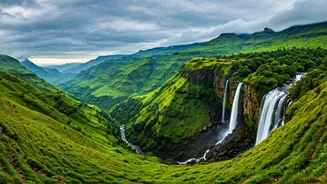
Many of Kerala’s most stunning waterfalls, like those at Athirappilly and Vazhachal, dwindle to a trickle by the end of the hot, dry season in May. Come June, the first monsoon showers transform them into thunderous, magnificent cascades. The rivers swell and the entire ecosystem awakens. For photographers and nature lovers, it’s a dynamic and powerful sight. A drive through the winding roads of the Western Ghats during this time reveals countless impromptu waterfalls tumbling down hillsides, turning a simple journey into a breathtaking spectacle. You’re seeing the landscape at its most powerful and alive.
Enjoy Off-Season Prices and Perks
The practical benefits of traveling to Kerala in June are undeniable. With fewer international tourists, flight prices are often significantly lower. High-end resorts and boutique hotels that command premium rates from December to February offer steep discounts, sometimes up to 50%. You can afford a level of luxury—a private pool villa, a premium houseboat—that might be out of reach in peak season. Beyond the savings, the atmosphere is more relaxed. You’ll find it easier to get reservations at popular restaurants, and tour operators are more flexible, giving you a sense of having the place more to yourself.
A Unique Culinary and Sensory Experience
The monsoon changes everything, including the food. It’s the season for hearty, warming dishes and specific vegetables that thrive in the wet weather. Sitting in a cozy cafe, sipping hot chai while watching the rain fall outside, is a quintessential Keralan experience. The sensory details are what make a June trip so memorable: the clean, earthy smell after a downpour (petrichor), the rhythmic sound of rain on a tiled roof, the croaking of frogs in the evening, and the taste of a spicy fish curry that feels just right in the cooler air. It’s a full-body immersion in a time and place, far removed from the standard tourist trail.