
The Dough Became the Main Character
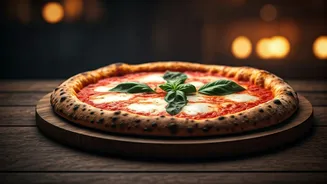
For years, the gold standard of 'fancy pizza' was a strict adherence to Neapolitan tradition: a pliant, leopard-spotted crust from a blistering-hot, wood-fired oven. It was delicious, but it was a uniform. Today, the dough itself is the star of the show,
and the styles are exploding. We’ve entered an age of intense dough scholarship. Chefs are obsessing over long fermentation times, using sourdough starters that have more complex backstories than a prestige TV character. High-hydration doughs create crusts that are impossibly airy and crisp. Thick, focaccia-like Sicilian and Detroit-style squares, with their crunchy, cheesy 'frico' edges, have gone from regional curiosities to national headliners. Even Roman 'al taglio'—the light, rectangular pizza sold by the slice—is getting its moment. The conversation is no longer just about the oven; it's about the very soul of the bread, which has become a platform for texture, flavor, and technique.
Toppings Entered Their Experimental Era
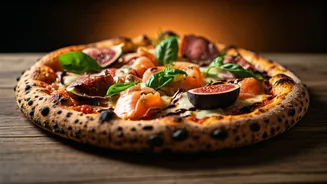
The artisanal pizza toppings of yore were a predictable cast: prosciutto, arugula, maybe a dollop of burrata if the chef was feeling wild. It was a minimalist ethos that, while respectable, feels almost quaint now. The modern pizzeria menu reads like a chef’s playground. Hot honey is drizzled over spicy soppressata, creating an addictive sweet-and-savory loop. Mortadella, once a humble lunch meat, is now shaved into delicate ribbons and paired with pistachio pesto. You’ll find dollops of vodka sauce, clam-casino-inspired pies, and even high-low mashups like crème fraîche topped with potato chips for crunch. Fermented chili pastes, dabs of stracciatella, and bright, acidic sauces have replaced the simple red-or-white binary. This isn’t about piling on ingredients for shock value; it’s a thoughtful expansion of pizza’s flavor palette, treating the crust as a canvas for composed, restaurant-quality dishes.
The Pizzeria Grew Up
Perhaps the biggest shift is in the pizzerias themselves. What was once a fast-casual concept—order at the counter, grab a number, find a metal stool—has matured into a full-blown dining destination. The new wave of pizzerias are proper restaurants, often helmed by chefs with fine-dining pedigrees who see pizza as a worthy medium for their creativity. These aren’t just pizza joints; they're places with ambitious small plate programs, carefully curated natural wine lists, and craft cocktail menus that could stand on their own. The ambiance is considered, the service is polished, and reservations are often necessary. This evolution signals a crucial shift in perception: pizza is no longer just a casual comfort food. In the right hands, it’s a culinary centerpiece, deserving of the same respect, atmosphere, and thoughtful beverage pairings as any other serious cuisine.