

The Era of the Group Tour
For the first wave of middle-class Indian tourists who began exploring the world in the ‘90s and 2000s, travel was aspirational and, often, a collective affair. The goal was to see the icons they had grown up reading about. European tours promising “7
countries in 10 days” were wildly popular. These trips were efficient, safe, and catered to specific needs, including the comforting presence of Indian food on the road. This was “postcard travel” in its purest form. The value was in the photograph, the proof of arrival at a globally recognized landmark. It was about seeing the world, but from a safe distance, ticking boxes on a whirlwind itinerary that prioritized breadth over depth. Switzerland for its Bollywood-famous Alps, London for its historical connection, and the U.S. for its theme parks and big-city energy. This style of travel was a powerful symbol of upward mobility, a declaration that one had arrived on the global stage.
Meet the New Indian Explorer
Today, a different traveler is emerging from India’s bustling cities. They are often younger—millennials and Gen Z—but the mindset shift cuts across ages. They are more likely to be traveling solo, as a couple, or with a small group of friends rather than a large extended family. Financially independent and digitally native, their travel planning doesn't start with a travel agent’s brochure but on Instagram, travel blogs, and YouTube vlogs.
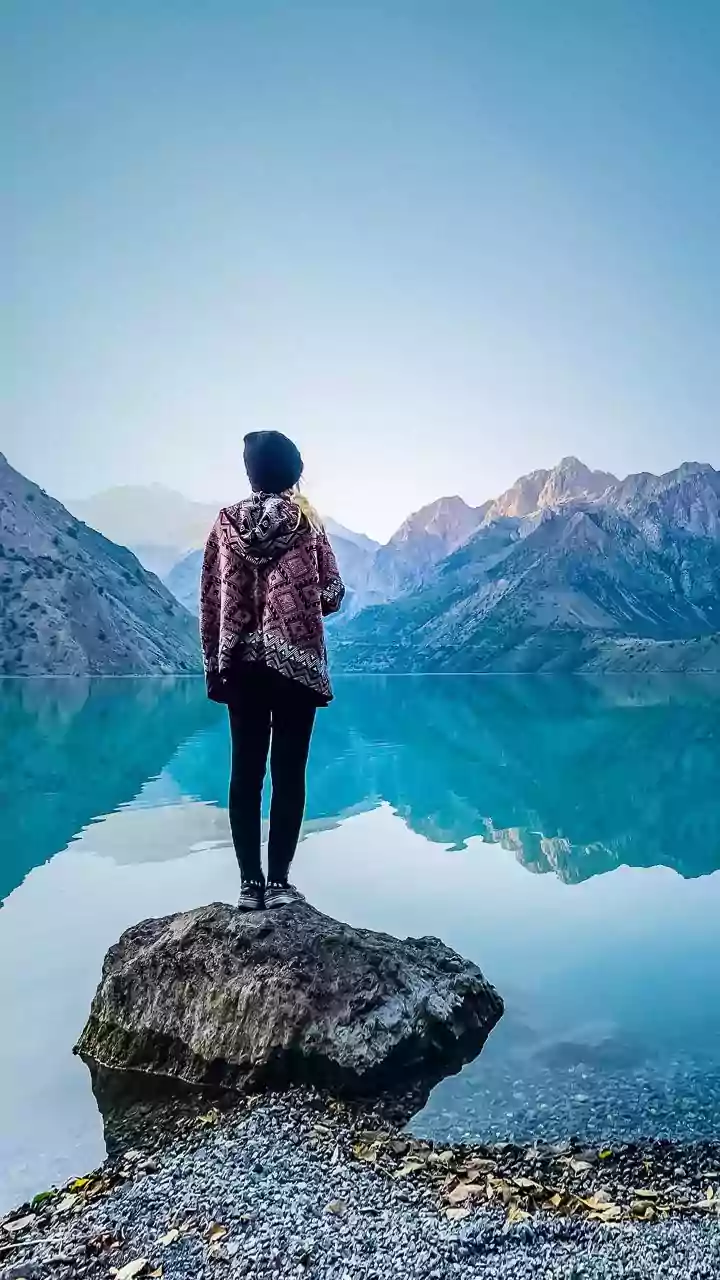
This new cohort isn't just looking for sights; they’re hunting for experiences. They’re less interested in a photo *of* the Eiffel Tower and more interested in a picnic of cheese and wine *in front* of it. They seek authenticity and immersion. This is the traveler who will skip the bus tour in Rome to take a pasta-making class with a local nonna, or trade a luxury hotel for a sustainably-run ryokan in a small Japanese town.
The Search for Something More
Several factors are fueling this dramatic shift. First is economic confidence. With a booming economy and rising disposable incomes, international travel is no longer a once-in-a-lifetime event but a regular part of life for a growing segment of the population. When you know you’ll be back, the pressure to see everything at once disappears, replaced by a desire for a richer, more focused experience.
Second is the undeniable influence of social media. While it can create new “postcard” moments—think hot air balloons in Cappadocia or the Northern Lights in Iceland—it has also democratized travel inspiration, exposing Indians to a world far beyond the traditional tourist trail. The algorithm rewards novelty, pushing travelers toward offbeat destinations and unique activities.
Finally, there's a global cultural shift toward experientialism. The pandemic amplified this, creating a pent-up demand not just for travel, but for meaningful connection and personal growth. For many, a trek in the Peruvian Andes or a wildlife safari in Kenya feels more enriching and transformative than shuffling through another crowded museum.
A New World Map
The destinations are changing, too. While Europe and the U.S. remain popular, the *way* Indians travel there is different. It’s now about a deep dive into Scotland’s whisky trail, a self-drive trip through California’s national parks, or a culinary tour of Spain’s Basque country.
More strikingly, the map is expanding. Southeast Asia, particularly Vietnam and the Philippines, is booming thanks to its mix of culture, adventure, and affordability. Japan and South Korea are magnets for their unique blend of ancient tradition and hyper-modern pop culture. And for the truly adventurous, destinations once considered extreme are now on the table—from Antarctic expeditions to gorilla trekking in Rwanda. The Indian traveler is no longer just following the map; they are actively redrawing it.