




The Problem with Most Paneer
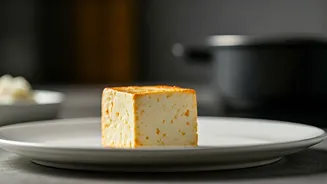
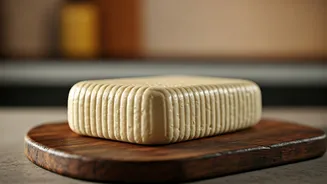
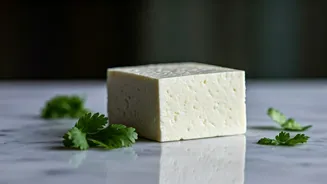
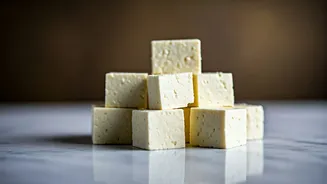
Let’s start with a basic truth: paneer is a fresh, unaged cheese. Made by curdling milk with an acid like lemon juice or vinegar, it shouldn't be tough, squeaky, or rubbery. When made fresh, it’s soft, moist, and delicate. So what goes wrong between the
dairy and your dinner plate? The culprit is often the commercial production and refrigeration process. To make it stable for packaging and shipping, store-bought paneer is pressed firmly to expel as much whey as possible. This makes it dense and firm. Over time, as it sits in the cold, it loses even more moisture, leading to that dreaded squeaky texture when you bite into it. It becomes a cheese that merely sits *in* a sauce rather than becoming one *with* it. Frying or simmering it directly from the package only makes it tougher, as the heat forces out what little moisture remains.
The Five-Minute Fix for Perfect Texture
The solution is so simple you’ll wonder how you ever cooked without it. This one technique will permanently upgrade your paneer dishes, taking them from decent to spectacular. All you need is your block of paneer, a bowl, hot water, and a pinch of salt.
Here’s the method:
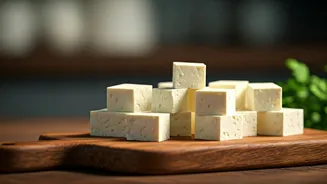
1. Cube Your Paneer: Cut your block of store-bought paneer into your desired size, typically ½- to ¾-inch cubes.
2. Prepare the Hot Bath: Boil some water. You don’t need a specific amount, just enough to fully submerge the cubes. Pour the hot water into a heatproof bowl and add a generous pinch of salt (about ½ teaspoon for 2-3 cups of water).
3. Soak for 15-20 Minutes: Gently add your paneer cubes to the hot, salted water. Let them soak for at least 15 minutes, though 20 is even better. You will literally see the cubes plump up slightly as they absorb the water.
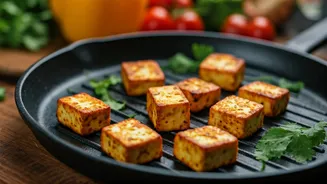
4. Drain and Use: Carefully drain the water. The paneer is now ready. It will be incredibly soft, slightly seasoned, and ready to absorb the flavors of your curry or marinade. You can now pan-fry it (it will brown beautifully without turning tough) or add it directly to your sauce.
Why This Simple Trick Works
This isn’t culinary magic; it’s simple food science. By soaking the paneer in hot water, you are effectively rehydrating it. The cheese acts like a sponge, drawing moisture back into its protein structure. This instantly reverses the effects of refrigeration and dense pressing, transforming the texture from firm and rubbery to soft and yielding.
The heat of the water gently warms the cheese, making it more pliable and tender. The salt serves a dual purpose: it lightly seasons the paneer from the inside out, addressing the common complaint of blandness, and it also helps the protein strands relax and retain the water more effectively.
The result is a piece of paneer that is no longer an inert block but a living, breathing part of your dish. It becomes a vehicle for flavor, soaking up the sauce and providing a creamy, melt-in-your-mouth experience.
Dishes That Demand Soft Paneer
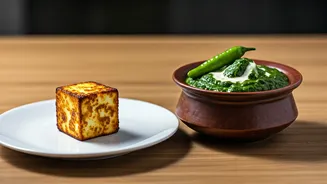
While this trick improves any paneer dish, it’s a total game-changer for the classics. In a Palak Paneer, the softened cubes provide a creamy counterpoint to the earthy spinach gravy, absorbing the flavors of ginger, garlic, and garam masala. For Matar Paneer, instead of having hard cheese cubes floating in a tomato-pea gravy, you get tender morsels that meld with the sauce.
Perhaps the greatest beneficiary is Paneer Butter Masala or Shahi Paneer. These rich, creamy, tomato-based curries are all about luxurious texture. When you use soft, supple paneer, each bite is a perfect union of the silky sauce and the tender cheese. It’s the difference between a dish that feels assembled and one that feels harmonious and complete. Once you try it, you’ll never go back to just tossing a block of cold paneer into your pan.