

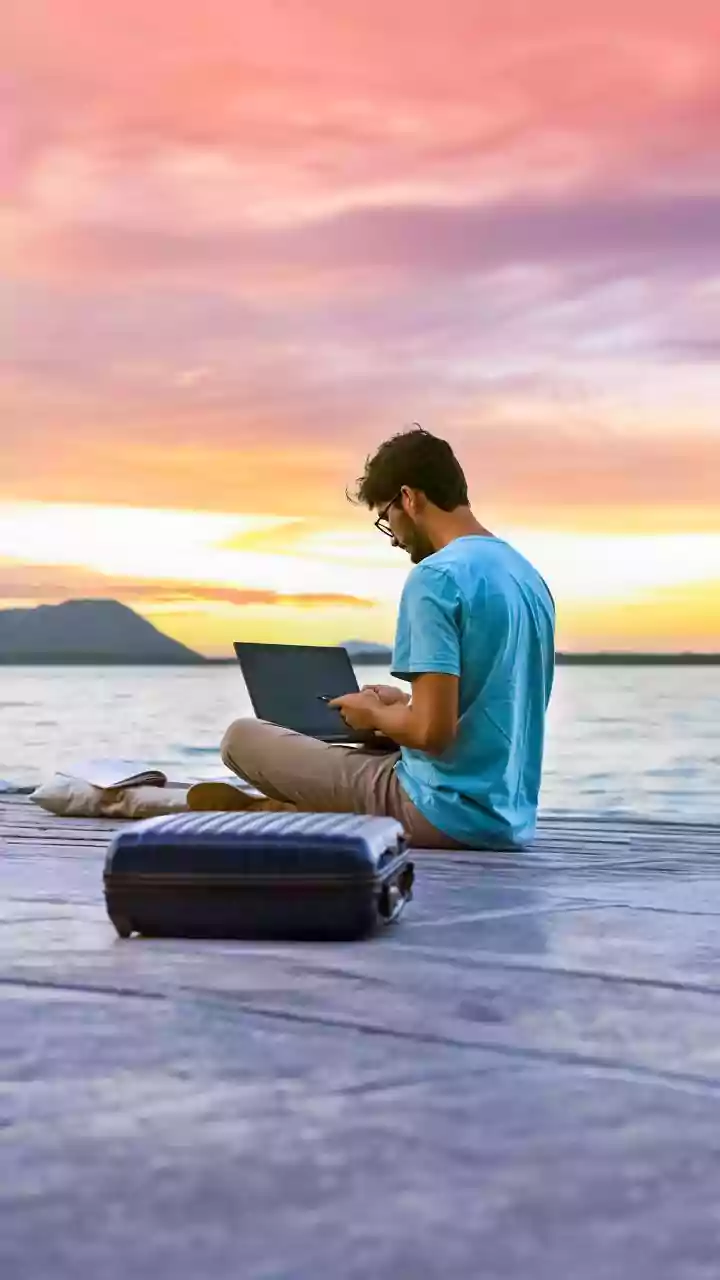
From Road Warrior to Resort Casual
For decades, the image of the successful business traveler was a road warrior racking up airline miles on grueling, back-to-back trips. The goal was efficiency: get in, do the meeting, get out. The ‘perk’ was a sad, gray steak at a hotel restaurant. But
the script has flipped. ‘Bleisure’—the blend of business and leisure—is no longer a novel concept, but it has received a significant upgrade. We’re not just talking about staying an extra day to see the sights. Luxury bleisure is about seamlessly integrating a high-end vacation into a work trip, often on the company’s dime for the business portion. Think flying business class to a conference in Miami and then spending three extra days at a boutique hotel in South Beach, or extending a client visit in San Francisco with a weekend wine tour in Napa. It’s the intentional blurring of lines between work and life, but with premium amenities and an unapologetic focus on personal enrichment.
The Pandemic’s Unlikely Souvenir
So, why now? The pandemic acted as a massive catalyst. After years of being grounded, professionals returned to travel with a vengeance, but their priorities had changed. The forced experiment in remote and hybrid work proved that productivity wasn't tied to a specific location. This newfound flexibility, combined with a collective case of wanderlust and a re-evaluation of work-life balance, created the perfect storm. If you could work from your home office, you could certainly work from a hotel with a better view. Companies, facing the Great Resignation and a tight labor market, became more open to accommodating these requests as a way to attract and retain top talent. According to a 2023 report from the Global Business Travel Association, an overwhelming majority of business travelers now value the ability to extend trips for leisure, and many see it as a key factor in their job satisfaction.
More Than Just a Nice Hotel
The ‘flex’ in luxury bleisure isn’t just about the money, though that’s part of it. It’s a powerful signal of professional autonomy and value. In a world where work is less visible—no one sees you staying late at the office anymore—how you travel becomes a new form of currency. Extending a business trip signifies that you have the kind of role, and the kind of boss, that trusts you to manage your time and deliver results regardless of your location. It implies your work is important enough to warrant the trip in the first place, but you are secure enough in your position to build a life around it. It’s a subtle flex that says, ‘My company invests in me, and I invest in my own well-being.’ This shift turns travel from a corporate mandate into a personalized experience, a perk far more valuable than a ping-pong table in the breakroom.
A New Economic Engine for Travel
This trend is reshaping the travel and hospitality industries. Airlines are seeing a sustained demand for premium cabins, as travelers are more willing to pay for comfort on trips that mix work and play. Hotels are responding with new offerings, moving beyond the simple ‘business center’ and creating ‘workcation’ packages that include ergonomic desk setups, high-speed Wi-Fi, and access to wellness amenities like spas and fitness classes. According to data from companies like Marriott and Hilton, guests who add leisure days to their business trips stay longer and spend more on-property, boosting revenue from food, beverage, and other services. This has created a new, lucrative demographic: the professional who works hard, but relaxes even harder, and is willing to pay for the privilege.