




Beyond Open-Concept
For years, Western design trends like stark minimalism and vast, open-plan living dominated the aspirations of many urban Indian families. The goal was often to signal modernity and affluence. But a significant shift is underway, accelerated by the global
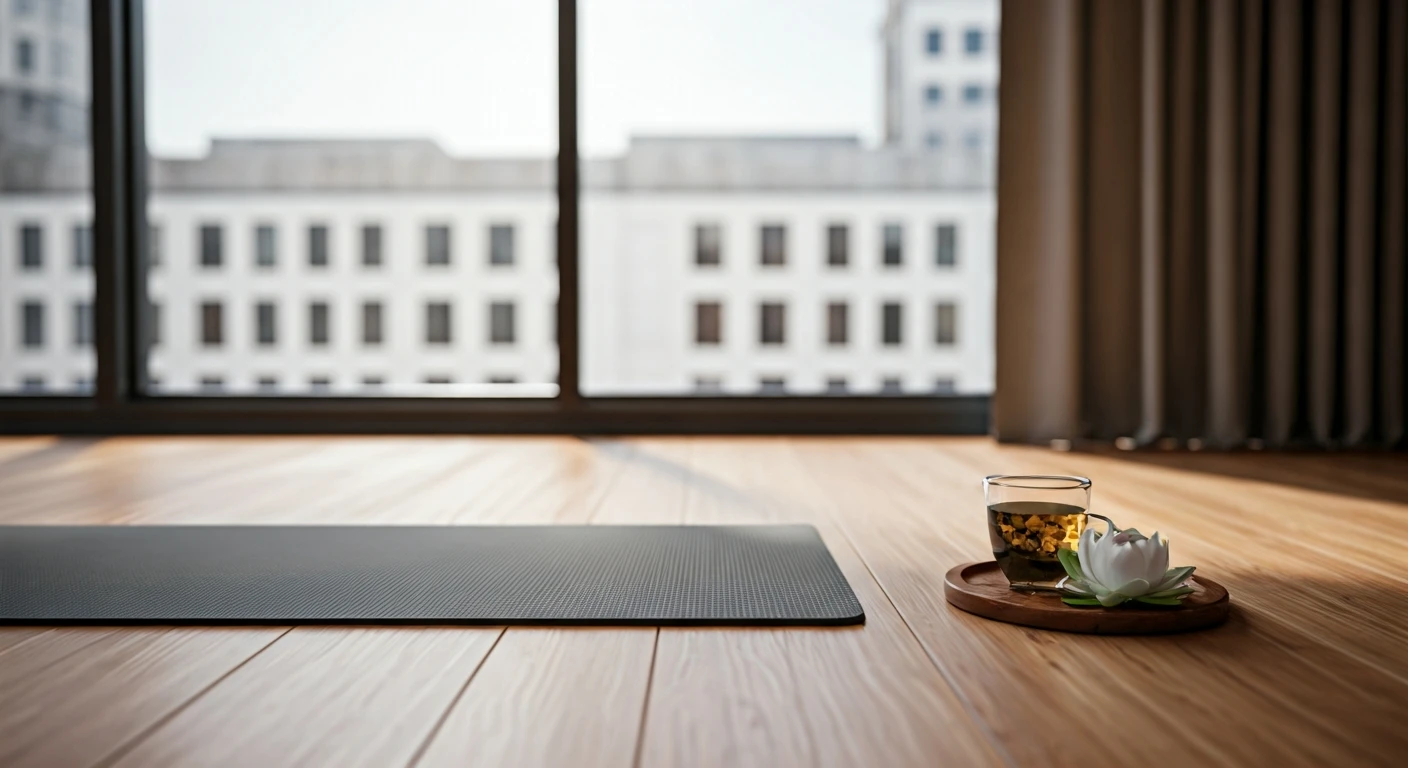
pandemic that forced everyone to spend more time within their four walls. Today, a growing number of Indian homeowners are rejecting generic luxury in favor of something more personal and profound: mindfulness. This isn't just about adding a yoga mat to a spare room. It's a fundamental rethinking of floor plans to support emotional and psychological well-being. Architects and interior designers report a surge in demand for layouts that are intuitive, calming, and deeply connected to the inhabitants' daily rhythms.
The Anatomy of a Mindful Home
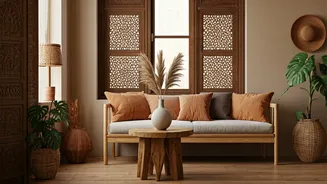
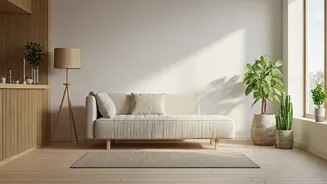
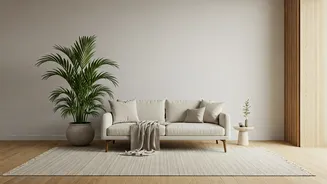
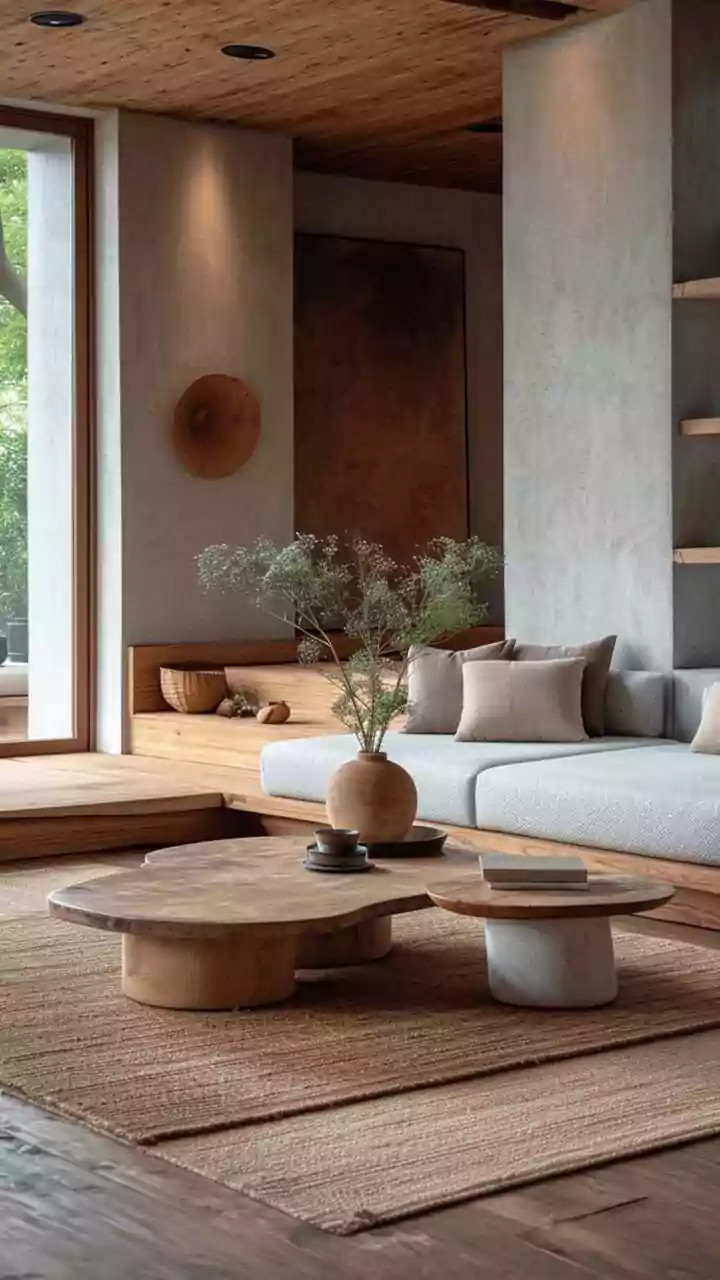
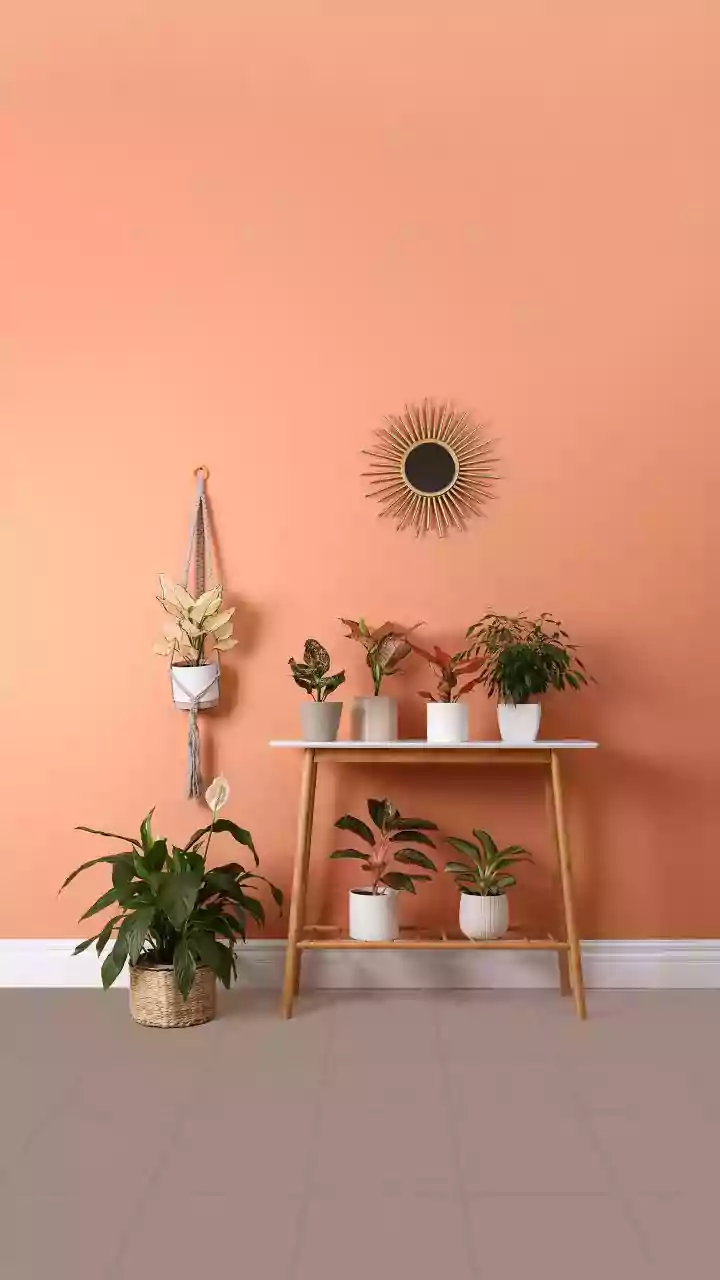
So, what does a “mindful layout” look like in practice? It prioritizes a seamless flow between spaces while creating distinct zones for different activities—separating the chaos of a workspace from the tranquility of a reading nook. Natural light and cross-ventilation are non-negotiable, with architects designing around large windows, skylights, and interior courtyards that bring the outdoors in. There's a deliberate emphasis on creating a connection to nature, even in a high-rise apartment. This can mean a balcony large enough for a small garden, a “living wall” of plants in the main living area, or simply ensuring every major room has a view of the sky or greenery. Materials are chosen for their tactile quality and natural origins—think reclaimed wood, local stone, and breathable fabrics like linen and cotton. The result is a space that feels less like a sterile showroom and more like a gentle embrace.
A Modern Take on Ancient Wisdom
What makes this trend distinctly Indian is its subtle nod to ancient design principles, particularly Vastu Shastra. For centuries, this traditional Hindu system of architecture has prescribed guidelines for everything from the orientation of a building to the placement of rooms, all with the goal of harmonizing the structure with the forces of nature. While older generations may have followed Vastu with rigid devotion, today’s mindful layouts represent a modern, secular interpretation. Homeowners and designers are cherry-picking the core concepts—like placing the kitchen in a way that captures morning light or ensuring the main entrance feels welcoming and unobstructed—while discarding the more superstitious elements. It’s a sophisticated blend: embracing the spirit of ancient wellness wisdom without being constrained by its letter, creating a framework that feels both authentically Indian and universally resonant.
Driven by a New Generation
This shift is being championed by a new generation of Indian homeowners. Millennials and Gen Z, who are often juggling high-pressure careers with the sensory overload of urban life, are seeking refuge in their homes. They are globally aware, digitally connected, and have a renewed appreciation for their own cultural heritage. For them, a home is an extension of their values. It’s less about impressing guests with imported marble and more about creating a space that genuinely supports their mental health, fosters family connection, and provides a backdrop for a slower, more intentional way of living. As one Mumbai-based architect noted, “Clients used to ask for a ‘wow factor.’ Now, they ask for a ‘calm factor.’” This desire for tranquility over ostentation is reshaping the country’s residential landscape from the inside out.