



First Off, What Are Mithai?
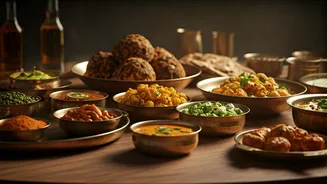
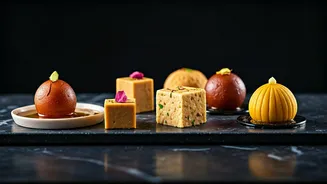
Before we get to the trends, let's do a quick introduction. If you’ve never visited a South Asian sweet shop, you’re in for a treat. Mithai are a vast category of confections from the Indian subcontinent, and they're a universe away from a simple brownie
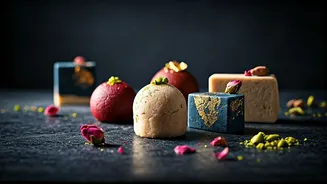
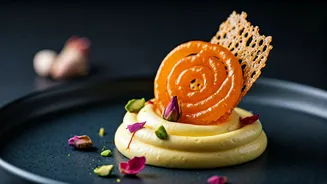
or cookie. Think of them as celebratory sweets, often made with milk, sugar, ghee (clarified butter), fragrant spices, and nuts. They come in countless forms: dense, fudge-like squares called barfi; deep-fried, syrup-soaked balls known as gulab jamun; and bright orange, pretzel-shaped crispy swirls of jalebi. What unites them is a focus on complex flavors—cardamom, saffron, rosewater, pistachio, almond—and an incredible range of textures, from chewy and dense to crumbly and syrupy. They’re not just sweet; they’re an experience.
The 'Glow-Up' of Classic Sweets
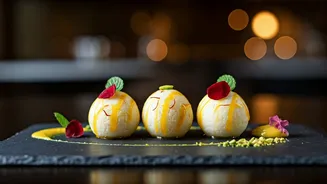
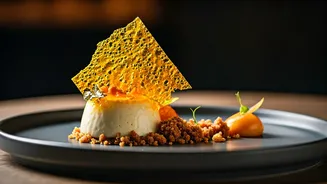
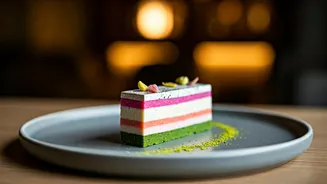
The trend isn't about simply placing a piece of traditional barfi on a plate next to some coffee. It’s about deconstruction and reinvention. Creative pastry chefs across the U.S. are taking the soul of mithai and translating it into familiar formats. Imagine a gulab jamun cheesecake, where the dense, milky cake provides a tangy base for the sweet, rose-scented syrup-soaked spheres. Or picture a carrot 'gajar ka halwa' tart, taking the classic sweet carrot pudding and giving it a buttery, flaky crust. We're seeing ladoo-inspired cake pops, ras malai tres leches cake, and jalebi-topped waffles. These fusions are the perfect entry point for diners, offering a comforting format with an exciting, unexpected twist of flavor.
It’s All About the Flavor Profile
Even when a dessert isn't a direct riff on a specific mithai, the core flavors are infiltrating menus. Cardamom, once a niche spice, is now a star player. You’ll find it infusing everything from crème brûlée to morning buns. Rosewater, with its delicate floral notes, is moving beyond Middle Eastern pastries and into ice creams, macarons, and cocktails. Saffron, prized for its golden hue and earthy taste, is lending its luxurious character to panna cottas and custards. These aromatic ingredients provide a sophisticated alternative to the straightforward sweetness of vanilla or chocolate. They add depth, fragrance, and a sense of the exotic that modern diners, especially millennials and Gen Z, actively seek out.
Texture Is the Underrated Star
American desserts often rotate through a limited set of textures: creamy, cakey, or crunchy. Mithai introduce a whole new vocabulary. Think of the satisfyingly dense, almost fudgy bite of a pistachio barfi. Contrast that with the unique texture of jalebi, which is simultaneously crispy on the outside, chewy on the inside, and drenched in a thin, crackling sugar syrup. Or the spongy, cheese-like texture of ras malai soaked in sweetened, thickened milk. Chefs are playing with these textures to create more dynamic and memorable desserts. A crumble on a pie might get an upgrade with coarse nuts and besan (chickpea flour) for a sandier, richer mouthfeel inspired by some types of ladoo. These textural twists make the final course more of an adventure.
Why Now? A Cultural Shift
This trend isn't happening in a vacuum. It’s the delicious result of several cultural currents converging. The growing visibility and influence of the South Asian diaspora in the U.S. means these flavors are becoming a more familiar part of the American culinary landscape. Furthermore, today's diners are more adventurous than ever, driven by a desire for authentic, global experiences and a hunger for newness. And let's be honest: mithai are gorgeous. Their vibrant colors and intricate shapes make them incredibly photogenic, a major plus in the age of Instagram. A dessert that looks as good as it tastes is a guaranteed winner, and mithai-inspired creations deliver on both fronts, making them a natural fit for forward-thinking menus in 2026 and beyond.