






Not Your Father's Diet Soda
For decades, the choice was simple: regular soda or its diet counterpart, typically sweetened with aspartame or sucralose. But a new wave of beverages, often called 'functional' or 'wellness' sodas, is rewriting the script. Brands like Olipop, Poppi,
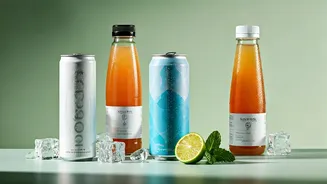
and Culture Pop are leading the charge with a completely different value proposition. Instead of just removing sugar, they aim to add benefits. These drinks position themselves as a gut-friendly alternative, often featuring vibrant, Instagram-ready packaging and flavors like Strawberry Vanilla, Vintage Cola, and Ginger Lime. Unlike traditional diet sodas, which focus solely on being zero-calorie, these newcomers are low in sugar (typically under 10 grams) and packed with ingredients marketed to support digestive health. They represent a fundamental shift from 'less bad' to 'more good,' a concept that resonates deeply with modern, health-conscious consumers.
The Gut-Health Gold Rush
So, why is this happening now? The rise of wellness sodas is perfectly timed with America’s growing obsession with gut health. The idea that the microbiome—the collection of bacteria and microbes in our digestive tract—is central to overall wellness has gone mainstream. Consumers are actively seeking out prebiotics (which feed good gut bacteria) and probiotics (which add good bacteria) in everything from yogurt to supplements. Functional sodas have tapped directly into this movement. Poppi famously contains apple cider vinegar, a longtime staple in the natural health world. Olipop boasts up to nine grams of prebiotic fiber from sources like chicory root and cassava. This focus on digestive wellness provides a compelling narrative that traditional soda brands, built on flavor and fun, have struggled to counter. It reframes a can of soda from a guilty pleasure into an act of self-care, a powerful marketing tool in today's wellness-obsessed culture.
What's Actually in the Can?
Reading the ingredient list on a wellness soda can feel like a mini biology lesson. The star players are typically prebiotic fibers. Think of prebiotics as fertilizer for the beneficial bacteria already living in your gut. Common sources found in these drinks include inulin (from chicory root), Jerusalem artichoke, and cassava root. The goal is to nourish your existing microbiome, which is linked to better digestion and immune function. Beyond fiber, many brands include botanical extracts and fruit juices for flavor, and use natural, low-calorie sweeteners like stevia and monk fruit to keep sugar counts down. The result is a drink that tastes sweet but avoids the blood sugar spike of a traditional soda and the chemical aftertaste that some people dislike in diet versions. It's a carefully engineered product designed to hit all the right notes for a consumer who reads labels and prioritizes 'clean' ingredients.
Healthy or Just Health-ish?
Here's the million-dollar question: Are these drinks actually good for you? The answer is nuanced. Compared to a full-sugar soda containing nearly 40 grams of sugar, a wellness soda with 5 grams of sugar and a dose of fiber is undeniably a better choice. For someone looking to kick a sugary drink habit, they can be an excellent stepping stone. However, nutrition experts caution against viewing them as a magic bullet for health. While the added fiber is beneficial—most Americans don't get enough—it's a small amount compared to what you’d get from a diet rich in whole foods like fruits, vegetables, and legumes. These sodas are best understood as a 'lesser evil' or a 'better indulgence.' They offer a way to enjoy the fizzy satisfaction of a soda with fewer downsides and a small potential upside. They aren’t a replacement for water or a nutrient-dense diet, but they are a smarter alternative in the soda category.