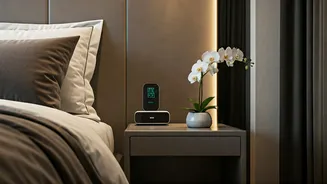







From Mints on Pillows to Sleep Sanctuaries
For decades, the definition of a luxury hotel stay was straightforward: opulent decor, impeccable service, and a well-stocked minibar. A comfortable bed was a given, but it was rarely the main event. That standard is being completely rewritten. In a post-pandemic
world where wellness is the new wealth and burnout is a collective ailment, the hospitality industry has realized that the most valuable thing it can offer exhausted travelers isn’t another glass of champagne—it’s eight hours of uninterrupted, restorative slumber. The focus has shifted from simply providing a place to stay to engineering an environment for optimal recovery. This evolution is a direct response to a cultural shift. We track our sleep with apps, listen to podcasts about REM cycles, and understand that quality rest is foundational to everything from mental clarity to physical health. Hotels are listening, transforming their rooms from mere sleeping quarters into high-tech, science-backed sanctuaries.
The Rise of the Sleep-Industrial Complex
The new sleep amenity arms race goes far beyond a simple pillow menu. At the forefront are hotels integrating cutting-edge technology directly into the guest experience. Equinox Hotels, born from the high-end fitness brand, has built its entire philosophy around performance and regeneration. Their rooms are dark, quiet, and cold—three pillars of sleep science. They feature total-blackout blinds, extensive soundproofing, and beds made of natural fibers that regulate temperature. Similarly, properties like the Park Hyatt New York now feature the Bryte Restorative Bed, an AI-powered mattress that dynamically adjusts its firmness throughout the night in response to a sleeper’s pressure points and movements. It can even gently wake you with subtle temperature and motion changes, avoiding the jarring noise of an alarm. This isn't just about comfort; it's about using data and technology to actively improve sleep quality, turning the hotel bed into a smart device.
The Human Touch of High-End Hypnos
While technology provides the hardware, top-tier hotels are pairing it with high-touch, personalized services. Enter the 'Sleep Concierge.' At hotels like The Benjamin in New York, a dedicated team consults with guests on their sleep preferences, helping them choose from an extensive pillow menu and offering lullaby music, blackout curtains, and white-noise machines. The concept is also going global. Luxury hotel group Rosewood launched its 'Alchemy of Sleep' retreats, multi-day programs designed to address sleep issues through meditation, targeted treatments, and guidance from sleep therapists. Six Senses has its 'Sleep With Six Senses' program, which includes advanced sleep tracking, personalized recommendations, and specialized bedding. These services reframe sleep not as a passive activity, but as a skill to be cultivated with expert guidance. They offer aromatherapy, calming teas, weighted blankets, and even curated bedtime reading—all designed to create a powerful pre-sleep ritual.
Democratizing a Good Night's Rest
While AI-powered beds and sleep retreats remain in the domain of five-star properties, the trend is having a powerful ripple effect across the industry. Brands like Westin, with its signature Heavenly Bed, were pioneers in making a quality bed a core brand pillar. Now, even mid-range and boutique hotels are upping their game. You’re more likely to find premium mattress brands, higher thread-count sheets, and a choice of firm or soft pillows as a standard offering. Blackout curtains are becoming non-negotiable, and many hotels now provide earplugs and sleep masks as complimentary amenities. The underlying message is clear: a hotel’s most basic promise is a good night's sleep, and delivering on that promise is now a key competitive differentiator at every price point. The focus on rest has become a universal expectation, not just a perk for the privileged.