
1. The Backlash Against 'Sad Beige'
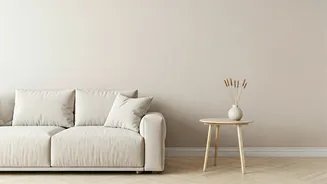
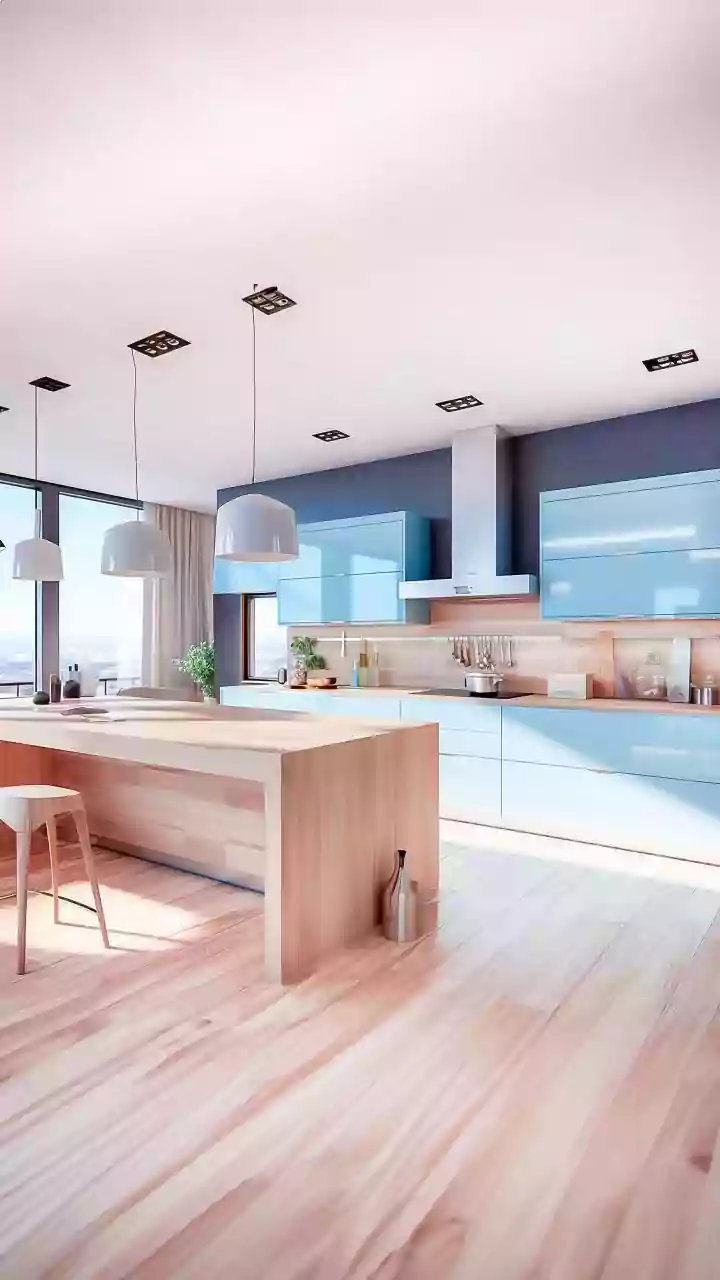
Remember the 'house flip' aesthetic? The sterile, impersonal spaces designed for quick sales and mass appeal? That look, dominated by gray vinyl floors, white subway tile, and a complete absence of clutter, is officially on the outs. Designers and homeowners
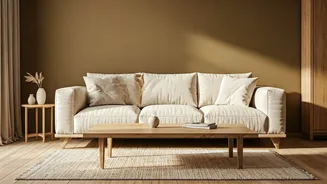
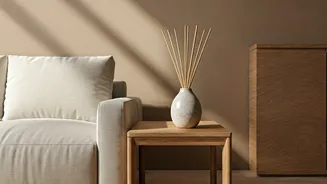
alike are experiencing a collective fatigue with spaces that feel more like waiting rooms than homes. The trend known online as 'sad beige'—a catch-all for uninspired, neutral-heavy interiors—is giving way to a hunger for color, texture, and warmth. This isn't just about aesthetics; it's a reaction against the homogenization of taste driven by social media algorithms and real estate trends. People are ready for their homes to reflect their lives, not an algorithm's idea of what's 'in.'
2. The Rise of the 'Collected' Home
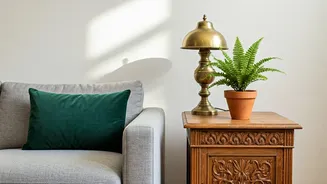
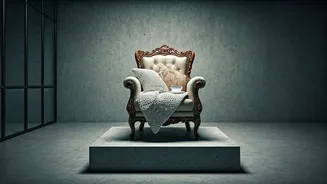
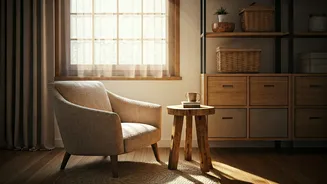
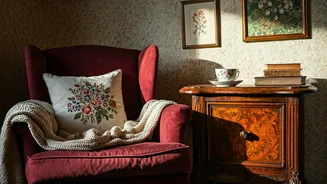
The opposite of a generic, pre-packaged look is a 'collected' one. This is the art of curating a home over time rather than decorating it in a weekend. By 2026, the most aspirational homes won't be filled with brand-new, matching furniture sets. Instead, they'll showcase a mix of styles, eras, and provenances. Think of a vintage armchair from a thrift store sitting next to a modern sofa, with a rug picked up on vacation and a side table inherited from a grandparent. Each piece tells a story, creating a rich, layered environment that is impossible to replicate. This approach champions sustainability and individuality, moving away from the fast-fashion model of home goods and toward items with history and soul.
3. Maximalism Gets a Makeover
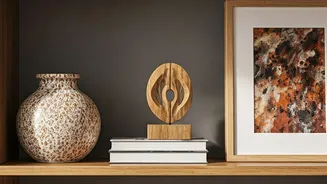
When people hear 'maximalism,' they often picture cluttered, chaotic rooms. But the new maximalism is more 'curated' than 'cluttered.' It’s about the confident use of color, pattern, and personal objects to create a joyful, expressive space. This isn't about filling every surface; it's about intentional layering. Bookshelves aren't just for storage—they're for display, mixing books with art, photos, and travel mementos. Walls become galleries, not of generic prints, but of pieces that hold personal meaning. This trend empowers people to stop hiding their favorite things in drawers and instead integrate them into their daily environment. It’s a declaration that your home is for living in, not just for looking at.
4. Weird Furniture Is the New Statement Piece
For the past decade, safe choices have ruled. Sofas were rectangular, chairs were unobtrusive, and coffee tables were functional squares. The future, however, is wonderfully weird. Expect to see a surge in furniture with unusual shapes, organic curves, and unexpected materials. Think squiggly couches, asymmetrical bookcases, and chunky, sculptural side tables. These 'weird' pieces act as functional art, injecting personality and a sense of playfulness into a room. The goal is to break free from the rigid geometry of minimalism and embrace forms that are more fluid and human. A single, bold, and slightly odd piece of furniture can do more to express personal style than an entire room of safe, matching items.
5. DIY and Bespoke Go Mainstream
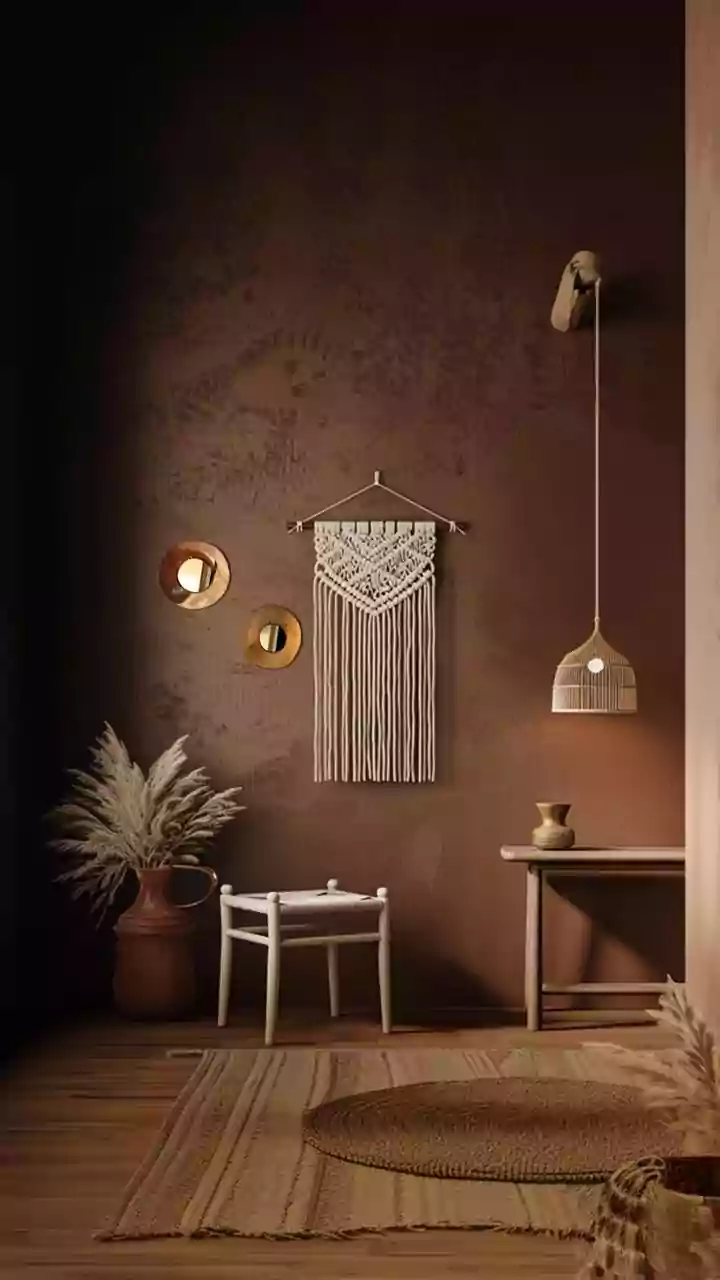
The ultimate expression of personal decor is creating something yourself. Driven by a desire for uniqueness and budget-conscious design, the DIY and bespoke movements are exploding. This goes far beyond a simple coat of paint. People are learning to re-upholster vintage finds, build their own furniture from online plans, and commission custom pieces from local artisans. Marketplaces like Etsy have made it easier than ever to connect with makers who can create a one-of-a-kind light fixture or dining table. This shift values craftsmanship and personal involvement over mass production. Having something in your home that you made with your own hands, or that was made specifically for you, is the final word in the argument against generic gloss.