





The Tyranny of the 'After' Photo
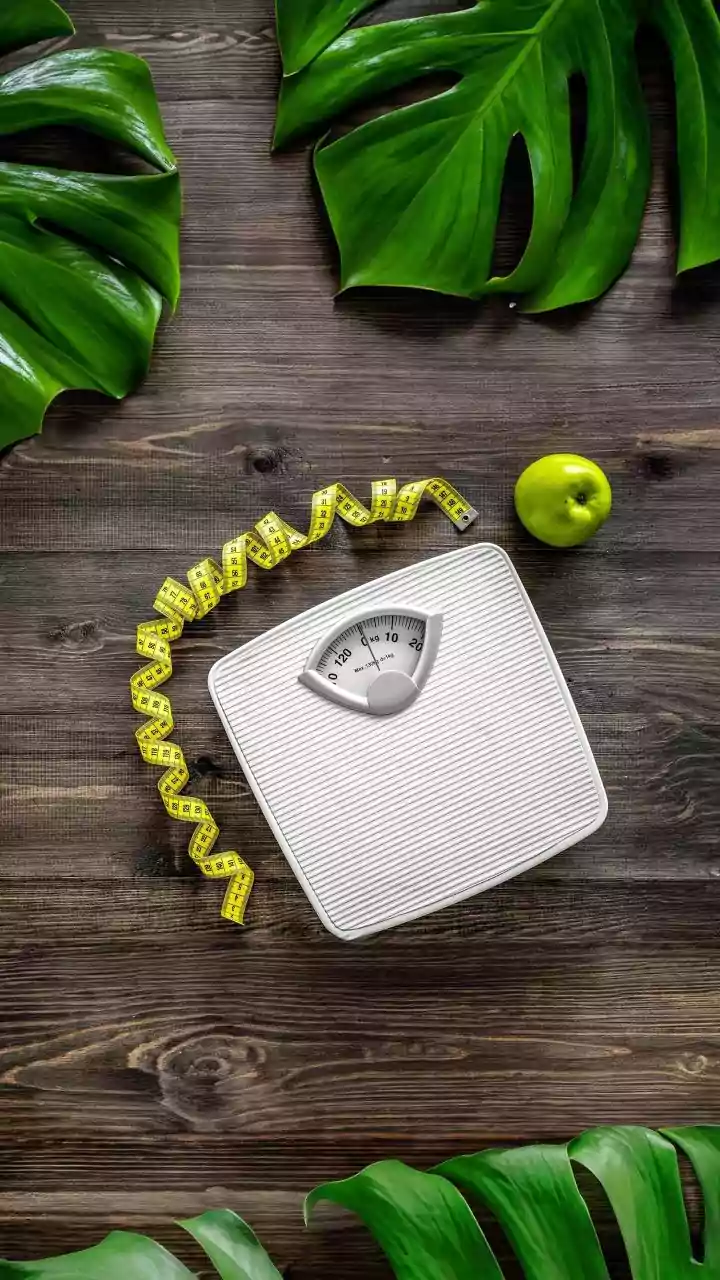
For decades, the weight loss industry has sold us a fantasy of speed. It’s the 30-day challenge, the 7-day cleanse, the dramatic 'before and after' photos that suggest a total life transformation can happen in the time it takes to binge a new TV series.
This narrative is built on the very American ideal of instant gratification. We want it, and we want it now. The result is a culture of crash dieting, where success is measured in pounds dropped per week, not in sustainable habits gained over a year. This approach often leads to a vicious cycle: rapid, restrictive dieting is followed by burnout, a return to old habits, and often, regaining the weight plus some. It leaves people feeling like failures, when in reality, the method was designed to fail.
Why Science Backs 'Slow and Steady'
Here's the part the quick-fix industry doesn't want to advertise: your body is a smart, adaptive machine that hates being starved. When you drastically cut calories, your body doesn't just burn fat. It panics. It starts breaking down valuable, metabolically active muscle for energy. Your metabolism slows down to conserve resources, making future weight loss even harder. This is the body's ancient survival mechanism kicking in. Health experts, including those at the CDC, generally recommend a gradual weight loss of 1 to 2 pounds per week. This pace is far more likely to preserve muscle mass, ensuring that most of the weight you lose is actually fat. It also gives your body and mind time to adapt, preventing the metabolic whiplash and extreme hunger cues that accompany rapid weight loss, making the entire process feel less like a battle and more like an evolution.
Redefining Success: From Speed to Skill
This is where the 'flex' comes in. Choosing slow weight loss is a conscious rejection of diet culture's empty promises. It’s a flex of patience in an impatient world. It demonstrates an understanding of biology over a belief in marketing. It says you're playing the long game, not chasing a fleeting dopamine hit from a number on the scale. Think about it: anyone can starve themselves for two weeks. It takes real skill, discipline, and self-awareness to learn your body's cues, build a healthy relationship with food, consistently move your body in a way you enjoy, and trust the process over months and years. This approach isn't about restriction; it's about addition. You're adding more nutrients, more mindful habits, more self-compassion. The flex isn't the weight you lose; it's the wisdom you gain.
The Tangible Wins of the Slow Approach
When you're not in a constant state of deprivation, life gets better. Instead of being exhausted and 'hangry,' you have sustained energy. You’re not obsessing over every calorie, which frees up immense mental and emotional bandwidth to focus on your career, your relationships, and your hobbies. You can go out to eat with friends without a side of anxiety. The goal shifts from 'surviving the diet' to 'thriving in your life.' This slow, methodical approach fosters habits that stick. You learn to cook nutritious food that actually tastes good. You find a form of exercise that feels like a release, not a punishment. The ultimate prize isn't just a different body; it's a different life—one where you are in control, not the diet.