








An Atmosphere Ripe with Excitement
The scene is a sensory overload in the best possible way. Imagine a bustling open-air market, perhaps Dilli Haat, alive with the sounds of folk music and the chatter of thousands of excited locals and tourists. The air, thick with Delhi's notorious summer
humidity, is cut by an intoxicatingly sweet aroma: the perfume of ripe mangos. Carts and stalls are piled high with pyramids of yellow, orange, and green fruit, representing a dazzling spectrum of varieties most Americans have never even heard of. This isn't just a market; it's a festival, an annual pilgrimage for fruit lovers. At the center of it all is a simple stage, unadorned save for a long table. On that table sits the holy grail: platters piled high with glistening, freshly cut mango slices. This is the arena where champions will be crowned.
The King of Fruits Reigns Supreme
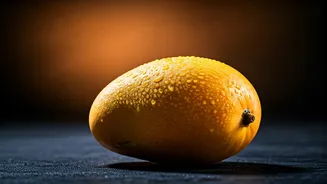
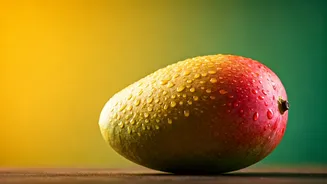
To understand the frenzy, you have to understand the mango's place in the Indian psyche. In the United States, it’s a pleasant tropical import. In India, it's a cultural icon, the undisputed ‘King of Fruits.’ Its arrival signals the official start of summer and a period of joyous indulgence. The mango is woven into the fabric of daily life, poetry, and even religion. It’s a symbol of prosperity and a potent source of nostalgia, evoking childhood memories of climbing trees and spending long afternoons staining fingers and faces with its sweet, fibrous pulp. Every family has a fierce debate over which regional variety is superior. An invitation to share the first mangos of the season is a genuine gesture of friendship. The eating contest, therefore, isn't just about gluttony; it’s the carnivalesque pinnacle of a nationwide love affair.
A World Beyond the Supermarket Mango
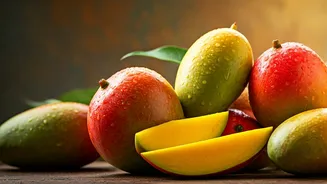
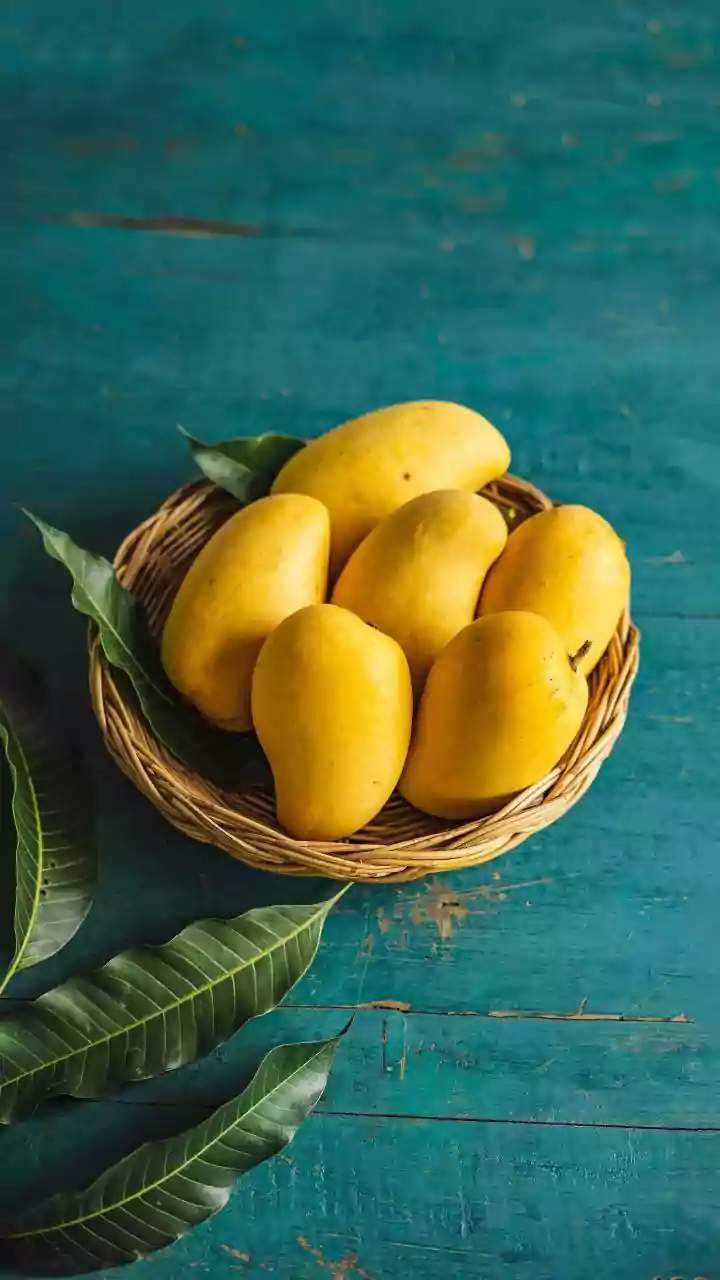
For an American whose mango experience is likely limited to the single, reddish-green Tommy Atkins variety found in most grocery stores, the diversity on display in Delhi is staggering. India is home to over a thousand mango cultivars, each with its own unique flavor profile, texture, and aroma. There’s the world-famous Alphonso, or 'Hapoos,' a non-fibrous, almost buttery variety from the west coast with notes of honey and saffron. From the north comes the Chaunsa, intensely sweet with a citrusy kick, and the slender Dasheri, known for its fragrant, fiberless pulp. Other regions offer the Langra, with its slight turpentine-like tang that connoisseurs adore, or the giant, fleshy Totapuri, often used for pickles and salads. The festival is an education, a chance for attendees to sample rare heirloom varieties and discover a universe of flavor that exists far beyond the produce aisle.
The Sweet, Sticky Spectacle
When the contest begins, the polite reverence for the fruit gives way to pure, unadulterated chaos. The rules are simple: eat as many mangoes as you can within a set time, typically just a few minutes. There are no forks, no napkins, and certainly no pretense. Contestants, ranging from eager children to surprisingly competitive grandfathers, dive in with abandon. The technique is a blur of hands and faces. Pulp flies. Juice drips from elbows. Within seconds, every participant is wearing a sticky, golden mask. The crowd roars with laughter and encouragement. Unlike the sometimes grimly serious hot dog contests in America, the atmosphere here is one of sheer joy. Winning is secondary to the act of participation, to sharing in this messy, glorious, and utterly delicious ritual.