

What is Biophilic Design, Anyway?
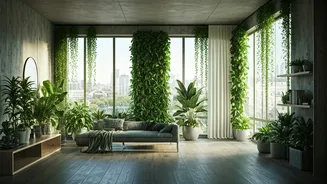
First, let's demystify the term. 'Biophilia' literally means 'love of life,' and biophilic design is the practice of connecting people with nature within our built environments. It goes beyond simply scattering a few potted plants around. It’s a holistic
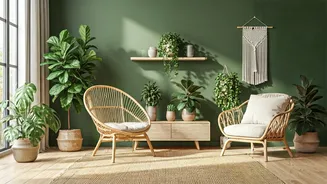
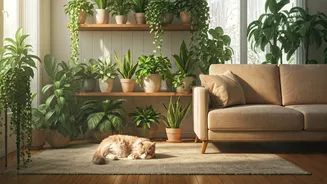
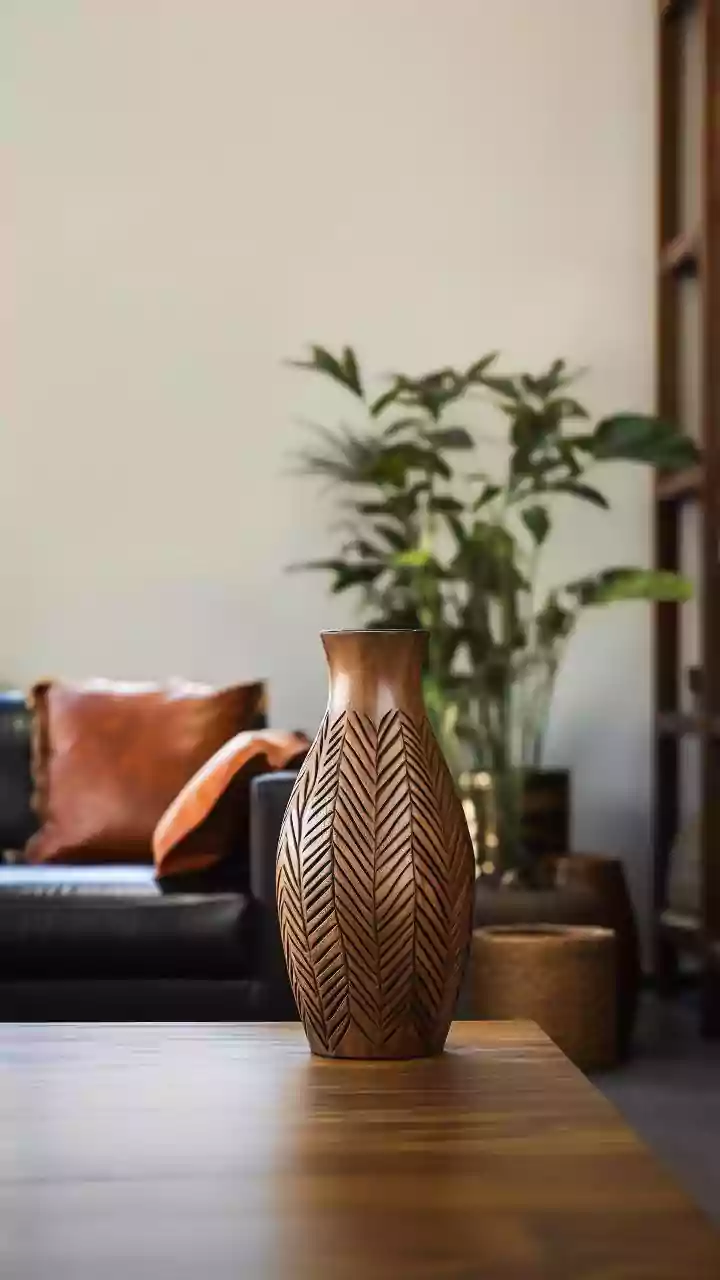
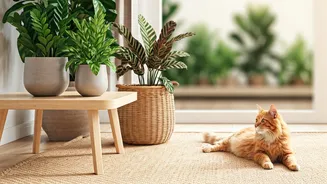
approach that incorporates natural light, organic materials like wood and stone, natural color palettes, and living greenery to create a space that feels calming, restorative, and alive. Think large windows that frame a view of the trees, a jute rug underfoot, a sustainably sourced wood coffee table, and, yes, an abundance of happy, healthy houseplants. The goal is to mimic the patterns and sensations of the natural world to boost our well-being, reduce stress, and improve our focus—all from the comfort of our living rooms.
Why This Trend Is Booming Now
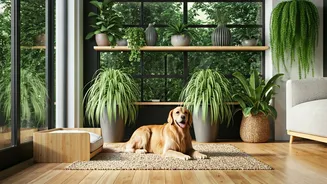
The surge in pet-friendly biophilic interiors isn’t an accident. It’s the perfect storm of several cultural shifts. The pandemic years turned our homes into our entire worlds, sparking a massive interest in home improvement and wellness. During that time, two specific domestic populations boomed: houseplants and pets. Millions of Americans became proud 'plant parents' and adopted furry companions for comfort and connection. It was only a matter of time before these two passions collided. People want the mental health benefits of a green, nature-filled space, but they refuse to compromise the safety and happiness of their dogs and cats. This trend is the stylish, thoughtful solution that says you don't have to choose between your fiddle-leaf fig and your feline friend.
The Golden Rule: Safety First
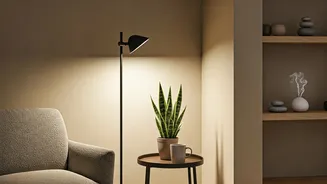
Before you turn your apartment into a pet-safe jungle, there’s one non-negotiable rule: you must know which plants are toxic to your animals. Many common and beautiful houseplants—including lilies, sago palms, snake plants, and pothos—can be harmful or even fatal if ingested by cats and dogs. Symptoms can range from mild mouth irritation to severe gastrointestinal distress or organ failure. Your first and most important stop should be the ASPCA's comprehensive plant list, which is easily searchable and clearly identifies plants that are toxic and non-toxic to cats, dogs, and horses. Bookmark this resource on your phone. When in doubt at the nursery, a quick search can prevent a future emergency. Never bring a plant home without confirming its safety status first.
Pet-Safe Plant All-Stars
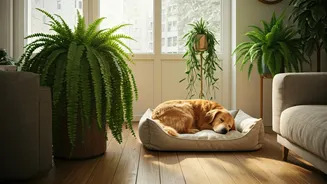
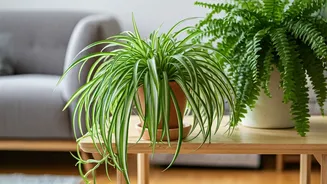
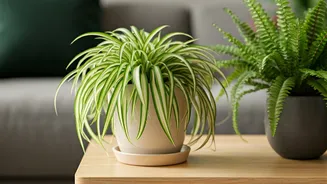
Ready to start shopping? The good news is that there are dozens of gorgeous, air-purifying plants that are completely safe for curious paws and mouths. For a lush, tropical vibe, consider a Parlor Palm or a Boston Fern (just be prepared for higher humidity needs). Spider Plants are incredibly resilient and produce 'pups' you can propagate, and their dangling leaves are often a source of fun for cats. Calatheas, also known as Prayer Plants, offer stunning leaf patterns in shades of green, pink, and purple, and they are perfectly safe. Other excellent choices include the Money Tree (Pachira aquatica), the Friendship Plant (Pilea involucrata), and most succulents from the Haworthia and Echeveria families. These options prove you don’t have to sacrifice visual interest for peace of mind.
Smart Placement and Protection Strategies
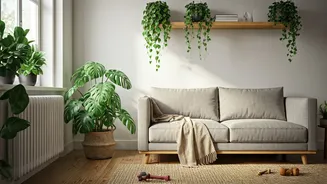
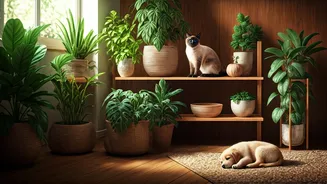
A pet-friendly approach is also about smart design. If you absolutely must have a plant that is mildly toxic (like a Pothos, which many people love for its cascading vines), placement is everything. Use hanging planters to keep vines well out of reach of leaping cats. Install high shelves or place plants atop tall bookcases to create a safe distance. You can also create dedicated 'plant zones' in rooms your pet doesn't frequent. Another strategy is to make pots less appealing. Some pet owners place smooth river stones or decorative pinecones on top of the soil to deter digging. For plants at floor level, choose large, heavy pots that are difficult for a rambunctious dog to knock over. It's about creating a harmonious environment through careful curation and clever arrangement.