



Heritage Architecture Gets a Modern Remix
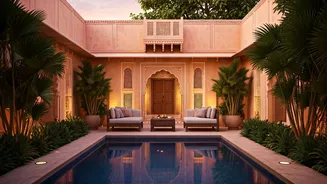
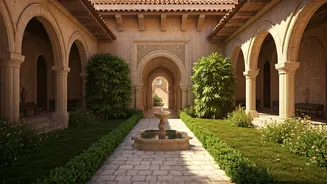
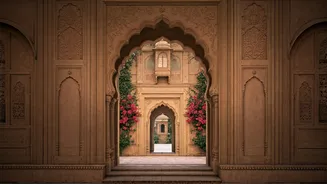
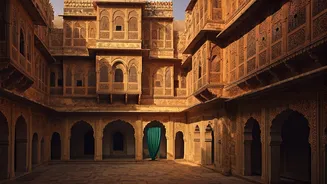
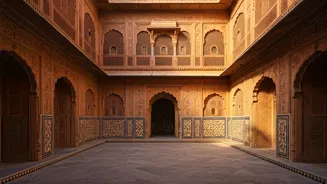
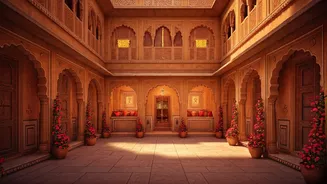
The foundation of this trend lies in the city's architectural soul: the haveli. These historic private mansions, built around central courtyards, are being lovingly restored and reimagined by a new generation of hoteliers and designers. Instead of gutting
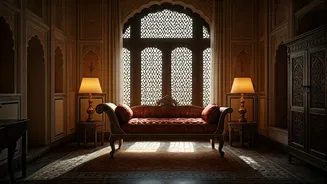
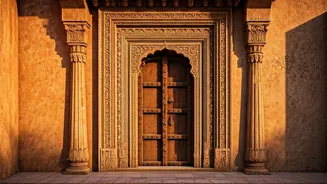
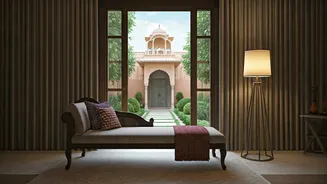
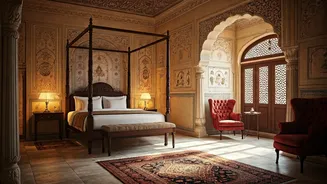
the structures, they're preserving the soul—the intricate jali (latticework) screens, the scalloped archways, and the hand-carved stone pillars. The “remix” comes from pairing these ancient bones with contemporary comforts and minimalist sensibilities. A 200-year-old door might open into a room with polished concrete floors, or a traditional courtyard might feature sleek, modern lounge chairs. This tension between old and new creates a dynamic visual story in every room, offering a depth that a newly built hotel simply can't replicate.
Every Corner Is a Curated Vignette
What makes these villas so “Instagrammable” is the intense focus on detail. This isn't accidental beauty; it's deliberate, thoughtful curation. You won't find generic hotel art. Instead, every corner is composed like a painting. A sun-drenched nook might feature a single brass pot with a floating marigold. A hallway might be punctuated by a series of locally sourced miniature paintings. A simple writing desk is elevated with antique inkwells and handmade paper. This approach means that a guest’s camera can land anywhere and find a compelling shot. It encourages a slower, more observant way of experiencing a space, where the beauty is found not just in the grand gestures but in the dozens of tiny, artful moments arranged throughout the property.
A Masterclass in Fearless Color
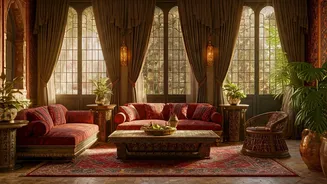
While Jaipur is famously the “Pink City,” its boutique villas are exploding with a far richer and bolder palette. Visionary designers are drawing from the full spectrum of Rajasthani color. At a property like Villa Palladio, you’ll find interiors drenched in candy-apple red and soft rose, creating a dreamlike, almost cinematic atmosphere. Others, like the well-known 28 Kothi, use a serene, calming palette of white and neutrals to make the Rajasthani sun and surrounding greenery pop. Still others might feature a room painted a deep indigo, a nod to nearby Jodhpur’s “Blue City,” or use vibrant pops of saffron and emerald green in their textiles. This confident use of color provides a powerful, emotive backdrop that makes for unforgettable photos.
Celebrating Local Craftsmanship
This trend is also a powerful showcase for Rajasthan’s rich artisanal heritage. The villas act as living galleries for local craftsmanship. You’ll sleep on beds dressed in fine, hand-blocked linens from Sanganer, walk on intricate terrazzo floors inlaid by local artisans, and sip tea from handmade ceramic cups. The furniture is often custom-made by nearby carpenters, and the textiles—from curtains to cushions—celebrate centuries-old weaving and printing techniques. By integrating these crafts directly into the guest experience, the villas do more than just look good; they provide a tangible connection to the region's culture and support the communities of artisans who keep these traditions alive. It's a form of sustainable, responsible luxury that resonates deeply with modern travelers.
The Rise of the Intimate Escape
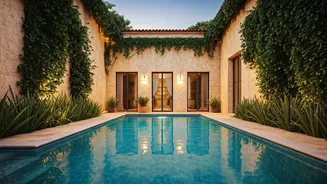
Unlike sprawling resorts, these boutique properties are defined by their intimacy. Often featuring fewer than a dozen rooms, they offer a personalized, almost residential experience. The smaller scale fosters a sense of calm and exclusivity. There are no crowded breakfast buffets or impersonal lobbies. Instead, you'll find tranquil gardens for reading, shaded verandahs for afternoon chai, and staff who know your name. This sense of being a guest in a beautiful private home, rather than a customer in a hotel, is a core part of the appeal. It allows for quiet moments of reflection and photography without the pressure of crowds, making it easy to capture that perfect, serene shot of a sunlit courtyard or a quiet, art-filled room.