


The Appeal of a Natural Rinse
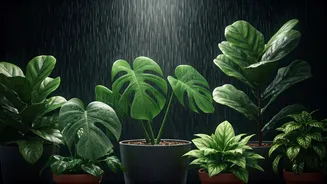
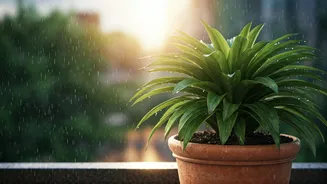
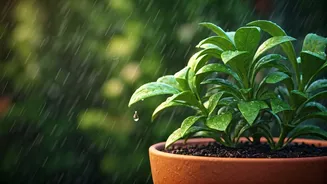
The impulse to give our potted friends a taste of the wild isn't totally off base. There are tangible benefits to rainwater that tap water just can't replicate. Rain is naturally soft, meaning it’s free of the minerals and chemicals like chlorine and fluoride
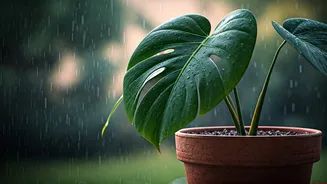
found in most municipal water systems. These additives can build up in the soil over time, affecting nutrient absorption. Rainwater is also slightly acidic, which many houseplants, especially tropical ones like ferns and philodendrons, prefer. It helps them access nutrients in the soil more efficiently. A gentle shower can also be a fantastic way to wash accumulated dust off leaves, allowing them to photosynthesize more effectively. On paper, it sounds like a perfect, free spa day for your plants.
The Number One Danger: Overwatering
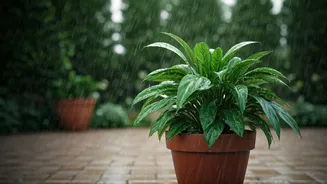
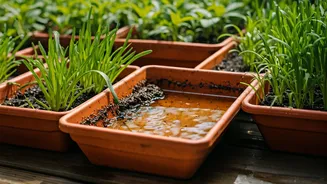
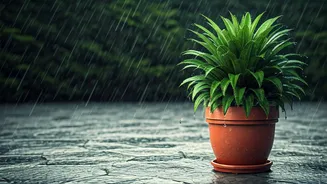
The single biggest risk of putting a houseplant in the rain is catastrophic overwatering. Your indoor plant lives in a contained environment—a pot with a few drainage holes. This is nothing like the earth, which can absorb and distribute vast amounts of water. A sudden, heavy downpour can completely saturate the soil in minutes, leaving the roots submerged in a swampy mess. When roots sit in water for too long, they can't get oxygen, and they begin to die and decay. This is root rot, the silent killer of many a beloved houseplant. Unlike a simple watering mistake you can correct, a thorough drenching from a storm can be impossible for a potted plant to recover from, especially if it doesn't have a chance to dry out quickly.
Shock, Damage, and Unwanted Guests
Beyond drowning, other factors can turn a refreshing shower into a traumatic event. Houseplants are accustomed to the stable, controlled climate of your home. Exposing them to sudden outdoor temperature shifts—even on a mild day—can cause shock, leading to yellowing leaves and wilting. A gentle drizzle is one thing, but a typical rainstorm often comes with wind and heavy, forceful drops. This can easily tear the delicate leaves of plants like calatheas or break the stems of more fragile specimens. Furthermore, the great outdoors is teeming with life you don't want to invite inside. Setting your plant on the porch or lawn is an open invitation for pests like spider mites, aphids, mealybugs, and slugs to hitch a ride back into your home, where they can quickly infest your entire collection.
The Safe Way to Harness Rain's Benefits
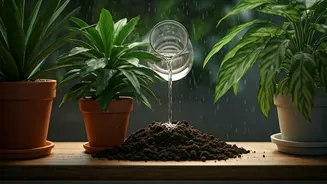
So, how can you give your plants the good stuff without the risk? The answer is simple: control the experience. If you want to use real rainwater, the safest method is to collect it. Place a clean bucket or barrel outside during a storm and use the collected water for your regular watering routine. This gives you all the chemical-free benefits without the danger of a deluge. If your primary goal is to clean dusty leaves, skip the outdoors altogether. A trip to your own shower is a much safer alternative. Use a gentle, lukewarm spray to rinse the foliage, being careful not to blast the soil. This mimics the cleansing effect of rain in a completely controlled setting. For those determined to try a real rain shower, wait for a very light, brief, and warm drizzle. Ensure your pot has excellent drainage, and never leave the plant out for more than 15-20 minutes. Afterward, let it drain completely and inspect it thoroughly for pests before bringing it back inside.