


The Risk in Your Urban Jungle
You’ve curated the perfect collection: a dramatic fiddle-leaf fig in the corner, a trailing pothos on the bookshelf, and a vibrant bouquet of lilies on the table. It’s a scene straight from a design magazine. But for millions of American households with
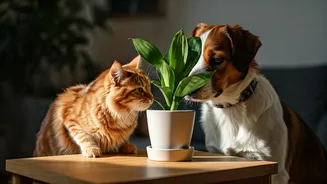
pets, this picture could hide a serious danger. Many of the most popular and aesthetically pleasing houseplants are toxic to cats and dogs if ingested. According to the ASPCA Animal Poison Control Center, plants are one of the most common sources of pet poisoning calls. Symptoms can range from mild mouth irritation and an upset stomach to severe kidney failure or even death. The challenge isn't about choosing between plants and pets. It's about becoming an informed owner who can confidently cultivate a space that's safe, healthy, and beautiful for every living being under your roof. Understanding the risks is the first step toward creating a truly harmonious home.
Go-To Safe Plants That Deliver on Style
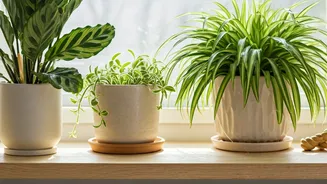
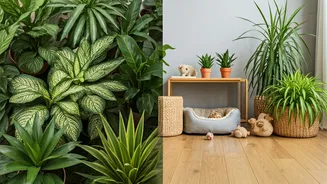
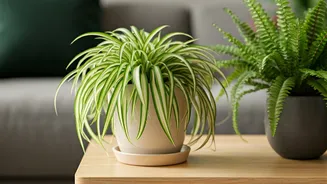
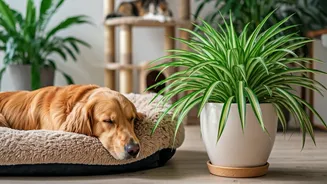
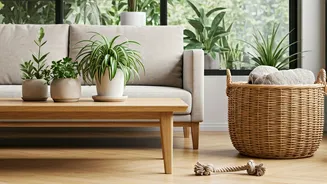
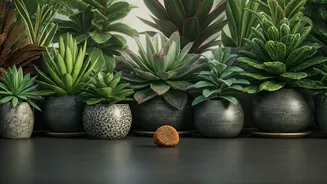
Creating a pet-safe oasis doesn't mean settling for boring plants. Many stunning and popular options are completely non-toxic. The next time you're at the nursery, look for these vetted beauties: * **Spider Plant (Chlorophytum comosum):** A retro classic for a reason. Its arching leaves and easy-to-propagate 'babies' make it perfect for hanging baskets, keeping it stylishly out of reach of even the most curious cat. * **Calathea (Prayer Plant family):** Known for their striking, patterned foliage that often folds up at night, Calatheas bring color and drama. They are entirely safe for pets and add a touch of the exotic. * **Boston Fern (Nephrolepis exaltata):** Ideal for adding lush, feathery texture to a room. They love humidity, making them a great choice for bathrooms, and their non-toxic status means you don't have to worry about nibbling. * **Haworthia (Zebra Plant):** Not to be confused with the toxic Aphelandra squarrosa, this small succulent has striking white stripes and a compact size. It offers the architectural look of other succulents without the risk. * **Money Tree (Pachira aquatica):** Often featuring a braided trunk, this plant is considered a symbol of good fortune and is, fortunately, non-toxic to cats and dogs. * **Parlor Palm (Chamaedorea elegans):** A classic for a reason. This elegant palm brings a tropical vibe and is one of the hardiest and most pet-friendly indoor palms you can find.
Popular Plants That Require Caution
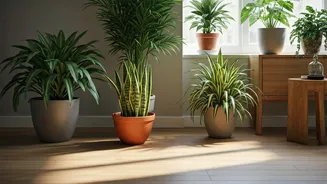
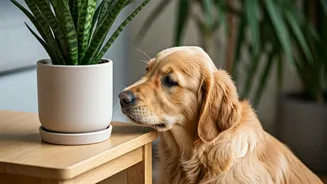
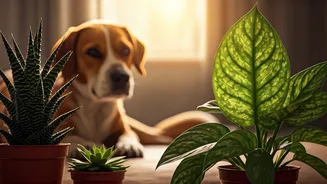
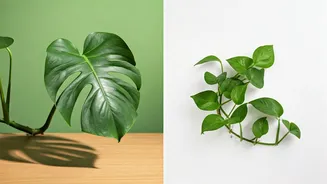
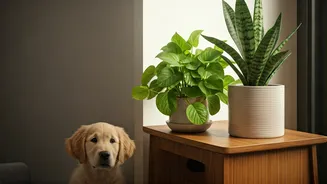
This isn't a complete list of 'bad' plants, but a heads-up on common favorites that require careful placement if you have pets. Being aware is half the battle. * **Lilies (Lilium species):** Extremely toxic to cats. Even a small amount of pollen or water from the vase can cause acute kidney failure. Many vets advise cat owners to never have lilies in the house. * **Pothos & Philodendron:** The darlings of the easy-care plant world. Unfortunately, they contain calcium oxalate crystals, which cause intense oral irritation, pain, and swelling if chewed. * **Snake Plant (Dracaena trifasciata):** While only mildly toxic, this hardy plant can cause nausea, vomiting, and diarrhea if ingested by pets. * **Monstera Deliciosa:** That iconic split-leaf plant also contains insoluble calcium oxalates. Chewing on it will cause immediate discomfort and irritation to your pet's mouth and stomach. * **Sago Palm:** This is a true danger. It's not a palm at all, and all parts of the plant are highly toxic, with the seeds being the most dangerous. Ingestion can lead to liver failure and is often fatal.
Smart Strategies for a Peaceful Home
Beyond choosing the right plants, you can design your space for safety. Place any potentially risky plants on high shelves, in hanging macrame planters, or in rooms that are off-limits to your pets. Some owners find success using citrus peels in the soil or a spray deterrent to make plants less appealing to curious noses. Most importantly, be vigilant. Watch for signs of chewing and know the name of every plant in your home. If you suspect your pet has ingested a toxic plant, don't wait for symptoms to appear. Remove any plant material from their mouth and contact your veterinarian or the ASPCA Animal Poison Control Center (888-426-4435) immediately. Having the name of the plant and your pet's symptoms ready will be crucial.