

Kanji: The Seasonal Probiotic Punch
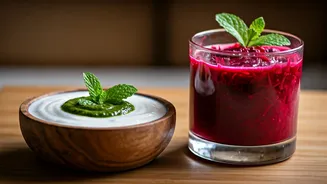
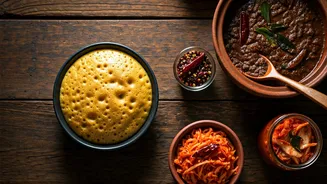
If you picture a deep magenta, salty, and tangy drink, you’re imagining kanji. Traditionally made in North India during the winter months, this is fermentation at its simplest and most elegant. Black carrots, which give the drink its stunning color, are
chopped and submerged in water with salt, black mustard seeds, and a hint of chili. Left to ferment in the sun for a few days, the mixture transforms into a probiotic-rich beverage teeming with live cultures. In modern urban India, making a batch of homemade kanji and posting it online has become a sophisticated way to signal a connection to tradition and a commitment to natural, seasonal living. It’s less about chasing a store-bought trend and more about mastering a delicious piece of edible heritage.
Idli & Dosa: The Breakfast of Champions
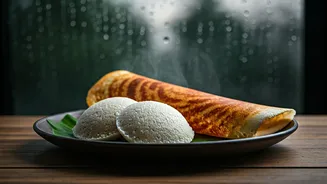
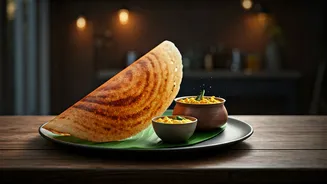
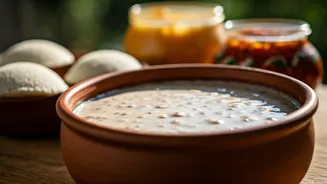
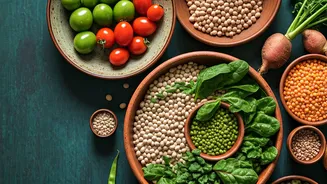
For millions in South India, a breakfast of idli (steamed rice cakes) and dosa (crispy rice crepes) is a daily ritual. But what many Americans might not realize is that the batter at the heart of these dishes is a fermentation masterpiece. A simple blend of rice and lentils is soaked, ground, and left to ferment overnight. This process does more than just create a light, airy texture; it predigests the starches and proteins, making the nutrients more bioavailable. The fermentation boosts B vitamins and creates a gut-friendly meal that’s easy to digest. Once seen as just a humble staple, the science behind the idli/dosa batter is now being celebrated by Indian nutritionists and chefs, framing this everyday breakfast as a high-performance, functional food.
Dhokla: The Spongy, Savory Snack
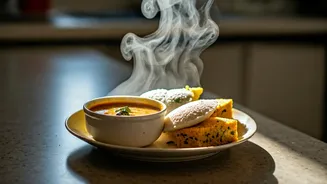
Hailing from the state of Gujarat, dhokla is a savory, steamed cake that’s as light as air. It's made from a fermented batter of chickpea flour (besan) or a mix of rice and split chickpeas. The fermentation process, often kick-started with a little yogurt or citric acid, is what gives dhokla its signature spongy texture and slightly tangy flavor. It’s a low-calorie, high-protein snack that’s naturally gluten-free. As wellness-conscious Indians look for healthier alternatives to fried snacks, dhokla has seen a massive resurgence. It’s become a go-to party appetizer and lunchbox staple, celebrated not just for its taste but for its impressive gut-health credentials and clean ingredient list.
Achaar: The Misunderstood Masterpiece
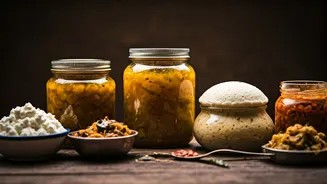
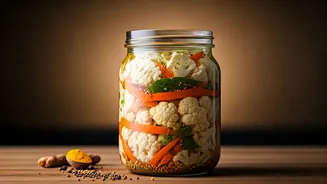
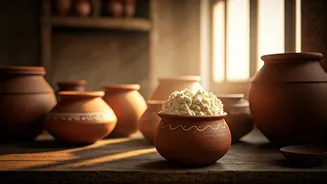
Often translated simply as “pickle,” traditional Indian achaar is a world away from the vinegared cucumbers in a U.S. deli. True achaar is a flavor bomb created through lacto-fermentation. Fruits or vegetables like mangoes, lemons, and chilies are preserved in salt and oil along with a complex mix of spices. Over weeks or months, naturally present lactobacillus bacteria convert sugars into lactic acid, a natural preservative that also happens to be fantastic for your gut. While mass-produced versions often cut corners, the revival of interest in artisanal, home-style achaar is a major part of the gut-health trend. Small-batch producers are now marketing their family-recipe achaars as probiotic powerhouses, turning this once-commonplace condiment into a premium wellness product.
Gundruk & Sinki: The Himalayan Power Ferments
Venturing into the northeastern states of India and Nepal, you’ll find gundruk and sinki, intensely flavored ferments made from leafy greens and radish taproots, respectively. Vegetables are wilted, crushed, and packed into containers to ferment for a week or two before being sun-dried. This ancient preservation method creates a product with a unique, pungent, and sour taste that’s rich in flavor and microbes. While an acquired taste for some, these ferments are being highlighted by celebrity chefs and food historians as prime examples of India's incredible biodiversity of food traditions. Their inclusion in high-end restaurant menus is a clear sign that the 'flex' is about celebrating the full, diverse spectrum of Indian culinary genius, not just its most famous dishes.