



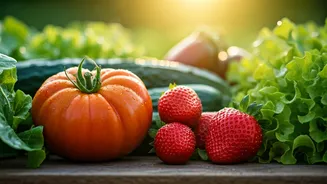
The Indispensable Cherry Tomato
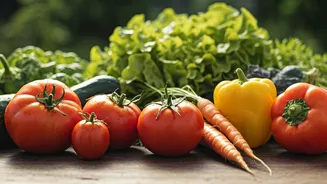
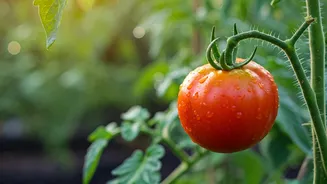
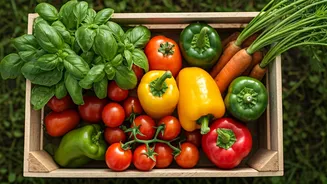
If there’s one plant that defines the joy of home-grown food, it’s the tomato. While beefsteaks are rewarding, cherry tomatoes are the undisputed champions of productivity and ease. A single, well-cared-for plant can yield hundreds of sweet, sun-warmed
fruits from mid-summer until the first frost. They thrive in containers on a sunny balcony or staked in a garden bed. For beginners, varieties like 'Sun Gold' or 'Sweet 100' are practically foolproof. Their constant production makes them perfect for snacking, tossing into salads, or blistering in a hot pan with garlic and olive oil. The flavor of a tomato picked moments before eating is a revelation, and it’s an experience that hooks gardeners for life.
Cut-and-Come-Again Leafy Greens
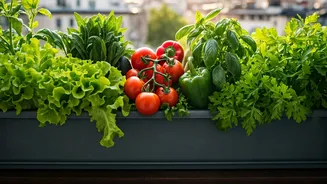
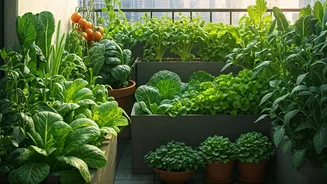
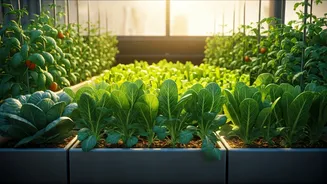
Forget the bagged salad mix. Growing your own leafy greens like loose-leaf lettuce, kale, and Swiss chard is one of the fastest and most cost-effective ways to get a return on your gardening investment. The secret is the “cut-and-come-again” harvesting method. Instead of pulling up the whole plant, you simply snip the outer, larger leaves, leaving the central growing point intact. The plant will continue to produce new leaves for weeks, even months. This technique works beautifully in raised beds, window boxes, or pots. A small patch can provide a steady supply for daily salads and sautés, ensuring you always have the freshest, most tender greens on hand.
The Prolific Summer Squash
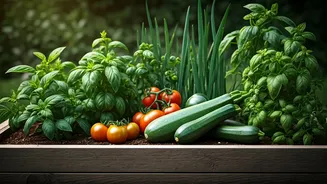
There's a running joke among gardeners about leaving extra zucchini on their neighbors' doorsteps, and it’s a joke rooted in truth. Summer squashes, particularly zucchini, are astonishingly productive. Just one or two healthy plants can easily supply a family of four for the entire summer. They grow quickly and, once they start producing, require daily checking to harvest the fruits at their ideal size (around 6-8 inches). Beyond the classic green zucchini, consider growing yellow summer squash or round pattypan varieties. They are versatile in the kitchen—perfect for grilling, roasting, spiralizing into 'zoodles,' or baking into breads and muffins.
Essential Culinary Herbs
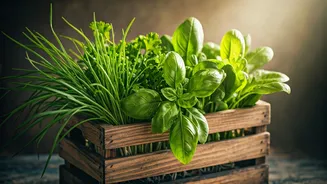
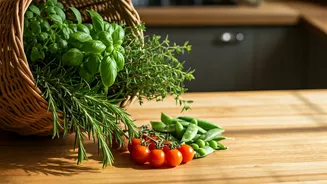
Herbs are the ultimate low-effort, high-reward edible plants. Even the smallest space can accommodate a pot of basil, a patch of mint, or a sprig of rosemary. Buying fresh herbs at the grocery store can be expensive, and they often wilt before you can use them all. Growing your own provides an endless supply for pennies. Basil, perfect for pesto and pasta sauces, loves sun and regular watering. Mint, which should almost always be grown in a container to control its aggressive spread, is perfect for teas and cocktails. Perennials like rosemary, thyme, and oregano are even easier; once established, they are drought-tolerant and provide year-round flavor. A snip here and there elevates any meal instantly.
Climbing Pole Beans
For gardeners looking to maximize a small footprint, pole beans are a game-changer. Unlike bush beans that have a single, concentrated harvest, pole beans grow vertically on a trellis, fence, or other support and produce beans over a much longer season. This continuous harvest means you can pick a handful every few days for dinner. They are easy to grow from seed and relatively pest-free. The act of training them up a support and searching for the long, tender pods hiding among the leaves is a classic gardening pleasure. Varieties like 'Kentucky Wonder' are reliable classics, yielding delicious, stringless beans that are excellent steamed, sautéed, or pickled.