





California's Desert Superbloom
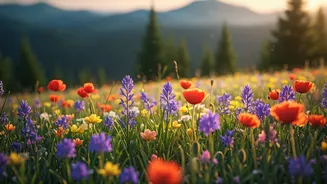
The term “superbloom” evokes images of a landscape miraculously blanketed in color, and places like Anza-Borrego Desert State Park and Death Valley National Park are the prime stages. Following a wet winter, these arid lands can explode with millions
of desert gold poppies, sand verbena, and evening primrose. The bloom window is notoriously short and unpredictable, typically occurring between late February and April. The key is to monitor park conditions closely, as a bloom can peak and fade within a matter of weeks. For a classic experience, try the Borrego Palm Canyon Trail in Anza-Borrego. Remember, desert hiking requires carrying more water than you think you'll need, even on cooler spring days. Sun protection is non-negotiable.
Colorado’s Alpine Masterpiece
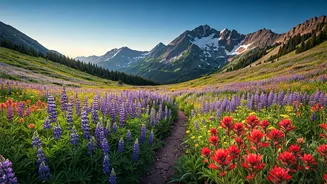
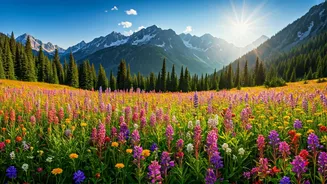
Dubbed the “Wildflower Capital of Colorado,” Crested Butte is an essential summer destination for any bloom enthusiast. Here, the magic happens at high altitude from late June through August. The mountainsides become a riot of Indian paintbrush, lupine, and the state's iconic columbine. The moderate Upper Loop Trail (Trail #403) offers jaw-dropping panoramic views of the valley and its floral carpets. Because the season is in summer, you’re dealing with mountain weather, which can change in an instant. Afternoon thunderstorms are common, so start your hikes early and always pack a rain jacket. The elevation can also be a challenge for those unacclimated, so take it easy your first day.
The Smoky Mountains Spring Spectacle
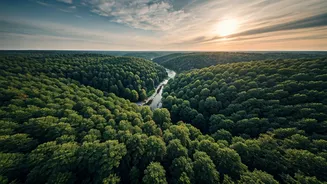
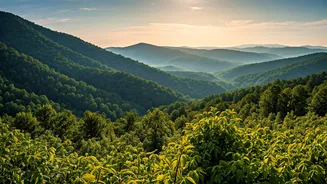
Great Smoky Mountains National Park is often called the “Wildflower National Park” for its staggering biodiversity, boasting over 1,500 kinds of flowering plants. The show here starts early, with delicate spring ephemerals like trillium, lady’s slipper orchids, and trout lilies appearing on the forest floor from March through May. Unlike the wide-open vistas of the West, the Smokies offer a more intimate experience. The Cove Hardwood Self-guiding Nature Trail is a fantastic, easy loop for spotting a huge variety of species. The park hosts an annual “Spring Wildflower Pilgrimage,” a week-long festival offering guided walks and educational programs that can elevate your appreciation from simple sightseeing to genuine understanding.
The Pacific Northwest’s Volcanic Gardens
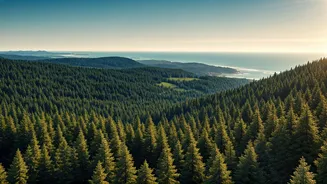
In Washington, the trails of Mount Rainier National Park put on one of the country's most famous subalpine wildflower displays. From mid-July to late August, the Paradise and Sunrise areas of the park live up to their names, with meadows awash in avalanche lilies, magenta paintbrush, and fields of lupine set against the staggering backdrop of the glacier-clad volcano. The Skyline Trail Loop from Paradise is arguably the most iconic wildflower hike in America, but it's also extremely popular. To avoid the biggest crowds, try visiting on a weekday or exploring the less-trafficked Sunrise side of the park. Be prepared for lingering snow patches on trails even in late July.
Know Before You Go: Bloom-Season Etiquette
Witnessing this natural wonder comes with a responsibility to protect it. The most important rule is to practice Leave No Trace principles. Stay on designated trails to avoid trampling fragile plants and delicate soil. That perfect Instagram shot is never worth stepping into the flowers, which can cause irreversible damage. Remember the saying: “Take only pictures, leave only footprints”—on the trail, that is. Don’t pick the wildflowers. It’s illegal in most parks and robs them of the ability to reseed for the following year. Finally, always check the latest conditions before you leave home. Bloom times, trail closures, and weather can change daily. A quick visit to the park’s official website or a call to a ranger station is the best way to ensure a safe and successful trip.