

1. Map a Route for Noses and Feet
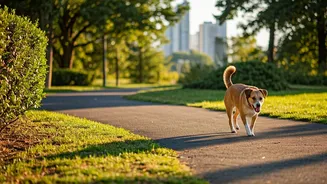
The perfect urban adventure starts with a plan. But instead of just thinking about distance, plan for discovery. Use a map app to chart a course that links together interesting sights for you and stimulating smells for them. Think about a route that passes
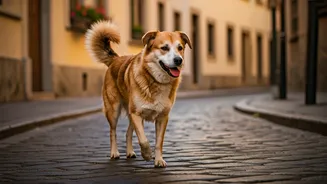
a historic district, winds through a less-traveled residential street with lush front gardens, or culminates at a scenic viewpoint. The goal is a walk that’s more than just exercise; it's an exploration. Consider a one-way trip using public transit (if it’s pet-friendly) to cover new ground without tiring out little legs on the return journey.
2. Pack the Go-Bag
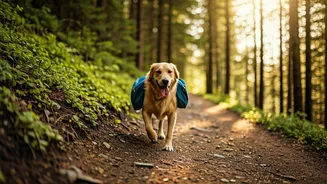
A little preparation turns a good walk into a great one. Your pet’s go-bag is as essential as your phone and keys. Start with the basics: plenty of fresh water and a collapsible bowl. Dehydration is a real risk, especially on warmer days. Pack high-value training treats to reward good behavior around traffic or other dogs. Don't forget poop bags—bring more than you think you’ll need. For longer treks, a small pet-safe first-aid kit, a favorite chew toy for rest stops, and a towel to wipe muddy paws before getting back in the car or house can be lifesavers.
3. Always Check the Paw-cast
Before you even leash up, do the five-second test. Place the back of your hand on the pavement. If you can’t hold it there for five seconds, it’s too hot for your dog’s paw pads. Asphalt and concrete absorb and retain heat, posing a serious burn risk. On hot days, plan your walks for the early morning or late evening. Stick to grassy areas or shaded paths when possible. In winter, the opposite is true: sidewalk salt and chemical de-icers can irritate and burn paws. A layer of protective paw balm or a set of booties can protect your pup from both extreme heat and chemical irritants.
4. Embrace the 'Sniffari'
For dogs, a walk is about more than just physical movement—it's a sensory journey. Allowing your dog to stop and sniff is crucial for their mental stimulation. They're not just smelling old pee-mail; they're reading the news of the neighborhood, learning who has been there, and processing their environment. A 'sniffari,' where you let your dog’s nose lead the way for a portion of the walk, can be more tiring and satisfying for them than a brisk, forced march. It calms them, builds their confidence, and provides an essential outlet for their natural instincts. Find a safe, low-traffic area and let them have at it.
5. Plan a Pup-Friendly Pit Stop
Breaking up the walk makes it an event. Many cities are more pet-friendly than you might realize. Search for cafes with outdoor patios, breweries with dog-friendly policies, or even retail stores that welcome well-behaved, leashed pets inside. An app like BringFido or a quick search for "pet-friendly patio near me" can reveal hidden gems. This break gives both of you a chance to rest, rehydrate, and people-watch. It also helps socialize your dog to different environments, teaching them to settle calmly while you enjoy a coffee or a cold drink. It’s the perfect mid-point reward.
6. Master the Art of the Wind-Down
The adventure doesn’t end the second you walk through the door. A proper wind-down helps your dog transition from the excitement of the walk back to the calm of home. First, a quick paw inspection and wipe-down removes any dirt, allergens, or sidewalk grime. Offer one final bowl of fresh water. Then, cue the calm. Instead of more stimulation, encourage a nap. Guide them to their bed with a long-lasting chew or a favorite blanket. This post-walk ritual reinforces a calm state of mind and ensures they get the restorative rest they need after a big day out, leaving them happy, tired, and ready for the next adventure.