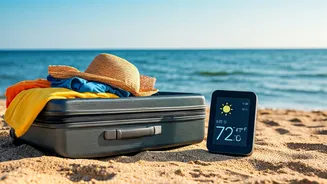







The Death of the Carefree Summer Trip
The idea of a guaranteed perfect summer vacation in a classic destination is melting away under record-breaking heat. In recent years, travelers flocking to Southern Europe for that iconic Mediterranean experience have instead been met with life-threatening
heatwaves dubbed 'Cerberus' and 'Charon.' Tourists have collapsed from heatstroke at ancient ruins in Athens and Rome. In the U.S., a trip to the Southwest now comes with the very real risk of 115-degree temperatures, while wildfire smoke from Canada or California can blanket huge swaths of the country, turning a planned hiking trip into a week spent indoors checking air quality apps. The problem isn't just discomfort; it's a fundamental threat to the safety and enjoyment of travel. The postcard is being replaced by the weather alert.
A New Travel Planning Checklist
As a result, a new, more pragmatic traveler is emerging—one who acts more like a risk analyst than a freewheeling adventurer. The planning process has evolved. Alongside checking flight prices and hotel reviews on Kayak or Expedia, savvy vacationers are now digging into historical climate data. They’re asking different questions: What’s the average temperature for this region in July, not just in general, but over the last three years? What is the risk of wildfire or hurricane disruption? Does my travel insurance cover cancellations due to extreme heat advisories? This climate-aware mindset is forcing a major recalculation of where, when, and how we take our breaks. Travel agents report that conversations are shifting from 'where is it hot?' to 'where is it not *too* hot?'.
Strategy 1: Embrace the Shoulder Season
One of the most popular responses to the angry summer sun has been to abandon it altogether. Welcome to the era of the 'shoulder season.' These periods—typically April-May and September-October—flank the traditional summer peak and are becoming the new prime time for travel. For years, they were the secret of budget travelers and crowd-haters. Now, they are the mainstream solution. A trip to Italy in October instead of August means pleasant, walkable days and a far lower chance of a city-wide heat emergency. Visiting the U.S. National Parks in late spring offers blooming landscapes without the scorching-hot trails and traffic jams of July. It’s a smarter, safer, and often cheaper way to visit popular destinations.
Strategy 2: Take a 'Cool-cation'
If you must travel in the summer, the new wisdom is to follow the mild weather. The 'cool-cation' trend is surging, as travelers actively seek destinations that offer refuge from the heat. Instead of the sweltering beaches of the Caribbean or the Mediterranean, Americans are looking north. Destinations like Scandinavia, Ireland, Scotland, and Canada are seeing a spike in interest. Domestically, the tide is turning away from the Sun Belt and toward places like the Great Lakes region, the Pacific Northwest, and the coasts of Maine and New England. These regions offer pleasant summer temperatures in the 70s and 80s, lush green landscapes, and a welcome escape from the oppressive heat domes settling over much of the country.
Strategy 3: Upgrade Your Planning Toolkit
Navigating this new reality requires new tools. Simply looking at a generic 'sunny' icon on a weather app is no longer enough. Sophisticated travelers are getting familiar with government resources like the National Oceanic and Atmospheric Administration (NOAA) website, which provides historical climate data. They’re bookmarking air quality index sites like IQAir or AirNow to monitor for wildfire smoke. When booking, they’re paying closer attention than ever to cancellation policies and the fine print on travel insurance, specifically looking for clauses that cover weather-related disruptions. Some even use climate-focused startups that provide long-term weather risk assessments for specific destinations, turning a vacation plan into a data-driven decision.