




When Convenience Becomes Chaos
There was a time when the all-inclusive resort was the pinnacle of American vacationing. The appeal was obvious: a single price for endless food, drink, and professionally organized fun. It was a vacation on autopilot, designed to remove every friction
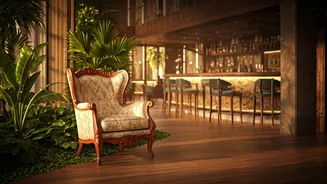
point. But somewhere along the way, for many, the convenience curdled into chaos. The promise of ease now often means navigating crowds, enduring the same playlist at three different pools, and eating meals that, while plentiful, rarely taste like the place you’re visiting. The resort experience, once a symbol of luxury, has become a homogenized product. Whether you’re in Cancun, the Caribbean, or a sprawling complex in Florida, the vibe can feel interchangeable. It’s a vacation that happens *at* you, not *with* you. This isn’t a critique of anyone who loves that model—its frictionless appeal is real. But it’s the driving force behind a quiet rebellion, a collective turn toward something more personal, private, and real.
The Rise of Intentional Doing Nothing
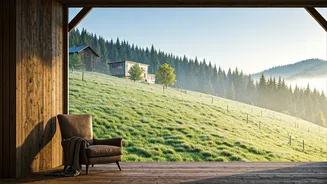
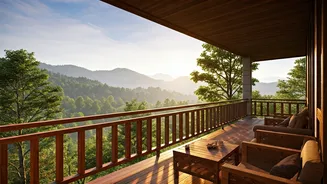
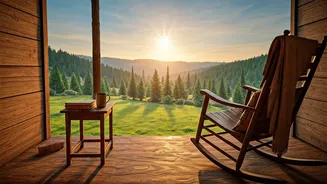
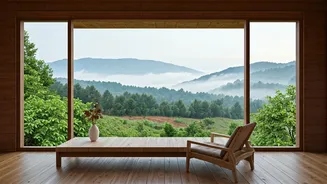
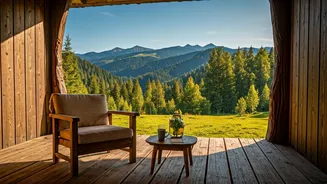
Enter the hill homestay. This isn’t just about renting a house in the mountains. It’s an entirely different philosophy of rest. It’s the anti-resort. Instead of a packed itinerary of snorkeling tours and water aerobics, the main event is often… nothing. It’s drinking coffee on a porch overlooking a misty valley. It’s spending an afternoon reading in a hammock without the thumping bass of a nearby DJ. It’s the freedom to cook a simple dinner with produce from a local farm stand instead of lining up for a themed dinner buffet.
This is the art of intentional doing nothing. It’s a vacation where the schedule is yours to make, or to discard entirely. The appeal lies in the absence of obligation. There’s no pressure to “get your money’s worth” from a package deal. The value is found in the quiet, the privacy, and the space to breathe—both literally and figuratively. After years of being over-stimulated and digitally tethered, travelers are rediscovering the profound luxury of stillness.
A Rebellion Against Homogeneity
At its core, the move toward hill homestays is a rejection of generic experiences. A resort can feel like a bubble, carefully cordoned off from the local culture. A homestay, by contrast, forces a gentle immersion. You’re shopping at the same grocery store as the residents, finding a hiking trail that isn’t in a glossy brochure, and discovering the one-of-a-kind diner in the nearest small town. The house itself has character—quirky art, a well-worn collection of board games, a kitchen stocked with someone’s favorite mismatched mugs.
This isn’t about pretending to be a local; it’s about experiencing a place on its own terms. The goal is no longer to see and do everything, but to feel something authentic. It’s a preference that was accelerated by the pandemic, which instilled in many a deep appreciation for personal space and a desire for travel that felt more controlled and meaningful. That sentiment hasn't faded. If anything, it’s become the new standard for a truly restorative trip.
How to Find Your Anti-Resort
Embracing the hill homestay mood doesn’t require a specific destination like the Berkshires or the Blue Ridge Mountains, though those are lovely options. It’s a vibe you can find almost anywhere. The key is to shift your search criteria. Instead of filtering by “resort amenities,” you start looking for other things. Does it have a great porch or a deck with a view? Is there a fire pit for cool evenings? Is the kitchen well-equipped for actual cooking? Is it close to a charming small town but far enough away to feel secluded?
The best homestays aren’t about five-star luxury but about thoughtful comfort. They offer a backdrop for connection—with your travel companions, with nature, and with yourself. The ultimate amenity isn’t a swim-up bar; it’s the blissful silence broken only by the sound of crickets.