







The American List Setting the Standard
For decades, the ASPCA’s Animal Poison Control Center (APCC) has been the gold standard in tracking and reporting substances that are dangerous to pets. Their annual “Top 10 Pet Toxins” list is a widely circulated piece of service journalism in the United
States, compiled from the tens of thousands of emergency calls the center receives. The list consistently features familiar culprits: over-the-counter human medications like ibuprofen, household foods such as chocolate, grapes, onions, and garlic, and veterinary products themselves. For American pet owners, it serves as a critical annual reminder of the hidden dangers lurking in their own homes. The report’s authority stems from its massive dataset, making it one of the most reliable snapshots of real-world pet poisoning incidents.
A New Conversation in Urban India
So why is this American-centric report suddenly resonating in Mumbai, Bangalore, and Delhi? The answer lies in India's rapid urbanization and the evolution of its pet culture. A growing middle class, rising disposable incomes, and a shift towards apartment living have transformed how Indians relate to companion animals. Pets, particularly pedigree dogs and cats, are increasingly seen as integral family members—a shift from a time when dogs were more commonly kept outdoors. This new generation of “pet parents” is digitally savvy, globally connected, and hungry for the best information to ensure their companions' well-being. They follow international pet influencers, order premium pet foods online, and actively seek out expert advice, making the ASPCA's well-researched findings more relevant than ever.
Familiar Dangers in a Different Kitchen
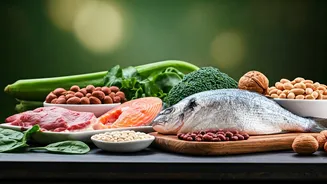
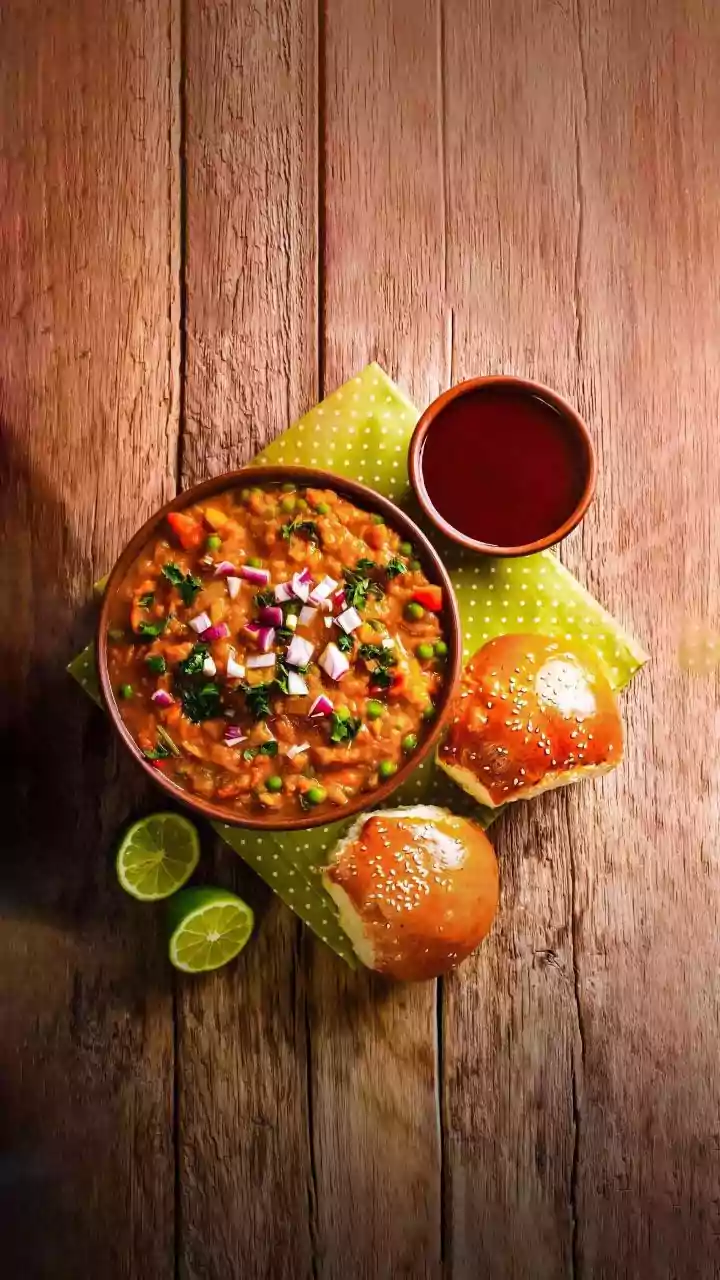
The core of the conversation revolves around the surprising overlap between the ASPCA’s list and the contents of a typical Indian kitchen. Onions and garlic, foundational ingredients in countless Indian dishes, are highly toxic to dogs and cats. Grapes and raisins, also on the list, are common snacks and ingredients in sweets. Xylitol, an artificial sweetener that is extremely toxic to dogs, is appearing more frequently in “sugar-free” versions of Indian sweets (mithai) and baked goods. As Indian households adopt more packaged and processed foods alongside their traditional diets, the risk of accidental ingestion grows. The ASPCA report provides a ready-made checklist of dangers that many Indian pet owners are realizing apply directly to them, prompting discussions in online forums and with local veterinarians.
Beyond the Kitchen: Local Hazards
While the ASPCA list provides a strong foundation, the conversation in India also incorporates local context. Pet parents and vets are discussing the dangers of specific items common during festivals, such as certain sweets, dyes, and even the loud noises of fireworks. There is also heightened awareness around indoor and outdoor plants, many of which are unique to the region and may not appear on a U.S.-based list. The dialogue sparked by the ASPCA’s report is not just about adopting American standards wholesale; it's about using that information as a catalyst to build a more localized, culturally specific understanding of pet safety in India.
The Globalization of Pet Parenthood
Ultimately, the buzz around the ASPCA's report in India is a story about the globalization of an idea: modern pet parenthood. The anxieties, joys, and responsibilities of caring for a pet are becoming surprisingly universal. In an interconnected world, a piece of data from a poison control center in Illinois can help a pet owner in Hyderabad make a safer choice for their dog. It underscores a shared commitment across cultures to treat pets with the highest level of care. The free flow of information means that best practices are no longer confined by national borders, creating a global community of owners united by the love they have for their animal companions.