

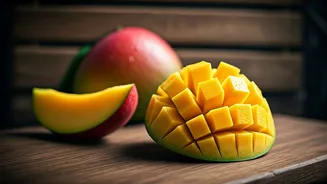

The Undisputed Reign of King Alphonso
For as long as anyone can remember, the 'mango wars' had only one winner: the Alphonso. Grown primarily along India’s western Konkan coast, the Alphonso, or 'Hapus,' is less a fruit and more a cultural icon. With its creamy, fiberless texture, complex
sweetness, and intoxicating aroma, it commands devotion and astronomical prices. For decades, it was the undisputed king, the benchmark against which all other mangoes were judged. The fight, such as it was, was between different towns in the Konkan region, each claiming their Alphonso was the most authentic, the most perfect. This mango wasn't just for eating; it was a status symbol, a diplomatic gift, and the source of immense regional pride. Its dominance was so complete that for many, the Alphonso *was* the Indian mango.
A Challenge From Within India's Borders
But a king’s reign is never guaranteed. In recent years, the Alphonso’s throne has started to look shaky. Climate change has led to unpredictable flowering and fruiting seasons, making harvests smaller and even more expensive. This created an opening for other Indian varieties to step into the spotlight. Suddenly, contenders from other states are gaining national and even international acclaim. The intensely fragrant Kesar mango from Gujarat, the 'Queen of Mangoes,' is a prime example. So is the Banganapalli from Andhra Pradesh, a larger, paler, and milder fruit perfect for the export market. Varieties like the sweet Dasheri from the north and the Chausa are also no longer content to be regional players. This internal competition isn't just about taste; it's about reliability, price, and a growing recognition that India’s mango biodiversity is far richer than just one variety.
The Global Challengers Arrive
The war is no longer just a domestic affair. A new front has opened up on the international stage. For years, Indian mangoes were largely banned from the U.S. due to concerns about fruit flies, a restriction that was only lifted in the mid-2000s. During that time, other countries filled the void. Mexico, in particular, became the dominant supplier to the American market with its ubiquitous Ataulfo and Tommy Atkins varieties. While these mangoes are hardy and travel well, connoisseurs argue they lack the nuanced flavor profile of their Indian counterparts. Yet, they set the American consumer's expectation for what a mango should be. Now, countries like Pakistan, with its honey-sweet Chaunsa mango, and Peru are also major players. These nations have mastered the logistics of global fruit export, presenting a significant challenge to India's more delicate, harder-to-ship varieties.
The Fight for the American Palate
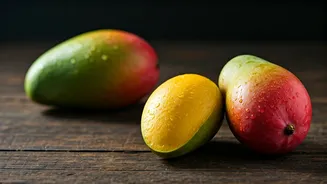
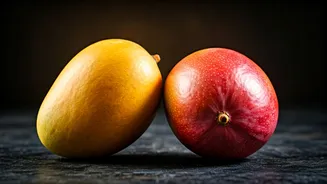
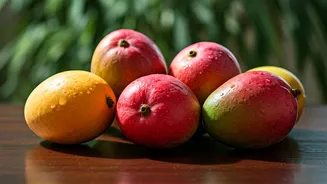
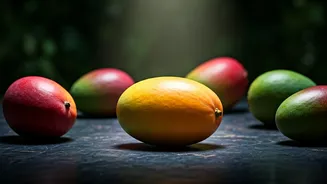
This multi-front war is playing out right in your local grocery store. For American shoppers, the result is a bewildering, but ultimately wonderful, expansion of choice. A decade ago, finding an Indian mango in the U.S. required a pilgrimage to a specialty Indian grocer during a very short season. Today, thanks to irradiation treatments that satisfy USDA requirements, fresh Alphonso and Kesar mangoes are appearing in mainstream supermarkets like Whole Foods, albeit with a hefty price tag. They sit right next to the familiar Mexican Ataulfos and the large, red-green Kent mangoes from Peru. This competition forces consumers to make a choice: do you go for the familiar, affordable Mexican mango, or do you splurge on the legendary, air-freighted Indian variety for a taste of luxury? The battlefield is the American consumer's palate, and every producer is fighting for a piece of it.