



Beyond the Blue Recycling Bin
For many conscientious travelers, eco-friendly tourism involves a series of responsible, but sometimes disconnected, actions. We choose airlines with carbon offset programs, pack light, and diligently separate our trash at the hotel. While these efforts
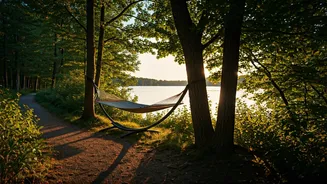
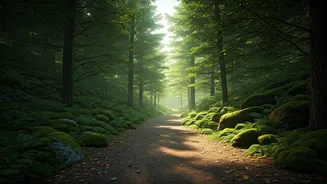
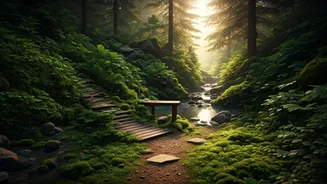
are vital, they can feel like performing sustainability from a distance. The process can lack a tangible, emotional reward, making the “green” part of the holiday an item on a to-do list rather than the heart of the experience. A forest stay fundamentally changes this dynamic. Instead of just thinking about the environment, you are immersed in it. The ecosystem you’re trying to protect isn’t an abstract concept; it’s the view from your window, the sound that lulls you to sleep, and the ground beneath your feet. Sustainability becomes a sensory experience, not just an ethical one.
The Psychology of the Woods
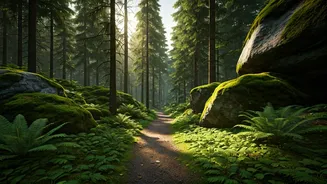
There’s a scientific reason why this immersion feels so good. The Japanese practice of *shinrin-yoku*, or “forest bathing,” is built on the principle that spending mindful time among trees has profound psychological and physiological benefits. Studies have shown that it can lower cortisol (the stress hormone), reduce blood pressure, and improve mood and focus. When your holiday is set in a cabin, treehouse, or eco-lodge, you’re not just visiting the forest for an afternoon hike; you're living in it. This constant, gentle exposure allows for a deeper mental reset. The rustle of leaves replaces the hum of the city, the scent of pine replaces exhaust fumes, and the slow, steady rhythm of the natural world encourages you to unplug and slow down. This is where the holiday becomes deeply “personal.” It’s no longer about escaping your life, but about reconnecting with yourself.
What Kind of Forest Dwelling?
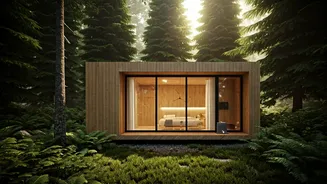
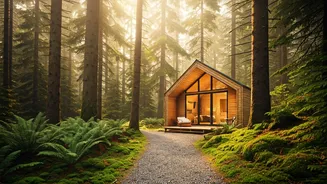
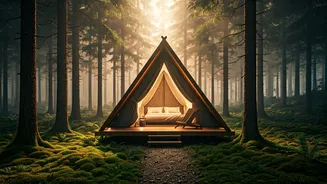
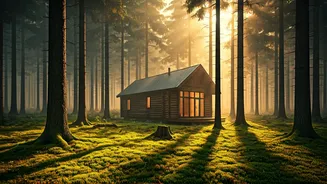
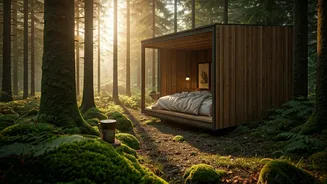
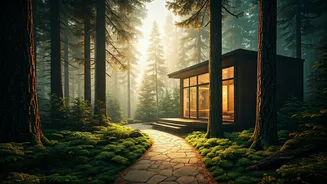
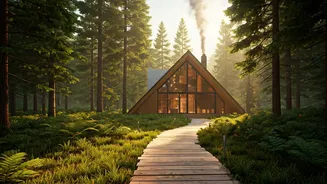
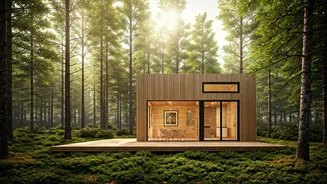
The beauty of this travel trend is its variety. A “forest stay” can mean anything from a rustic, off-grid experience to a design-forward luxury retreat. Your choice depends entirely on your comfort level and what you’re seeking. * **Rustic Cabins:** Often simple, cozy, and focused on the basics. Think wood-burning stoves, screened-in porches, and a feeling of stepping back in time. Perfect for those who want a true digital detox. * **Modern A-Frames & Tiny Cabins:** These minimalist structures, popularized by companies like Getaway, offer curated simplicity. With intentionally small footprints and huge windows, they are designed to frame the nature outside, providing comfort without distraction. * **Treehouses:** For a touch of childhood wonder, nothing beats sleeping among the branches. Modern treehouse rentals range from simple platforms to elaborate, multi-level structures with hot tubs and full kitchens. * **Eco-Lodges:** These are accommodations specifically designed with sustainability at their core. They often use renewable energy, practice water conservation, are built with local, sustainable materials, and contribute to the protection of the surrounding habitat.
Finding Your Personal Retreat
Finding the right forest stay is easier than ever. Websites like Hipcamp, Glamping Hub, and Airbnb now have specific filters for cabins, treehouses, and other unique stays. A simple search for “eco-lodge” or “sustainable cabin” in your desired region will often yield incredible, locally-owned options. When booking, consider the ethos of the place. Does the host talk about their connection to the land? Do they mention low-impact practices? Often, the most personal stays are run by people who are passionate about sharing their corner of the wilderness responsibly. Don’t be afraid to embrace a simpler packing list. The point isn’t to bring your city life with you, but to leave room for the quiet and beauty you’re about to find.