



From Food Truck to Pantry Shelf
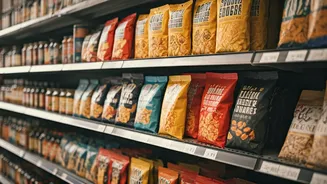
For decades, the American snack aisle was a predictable place dominated by classic potato chips, pretzels, and cheese puffs. But a fundamental shift is underway, driven by a consumer base with an increasingly adventurous palate. The global food truck
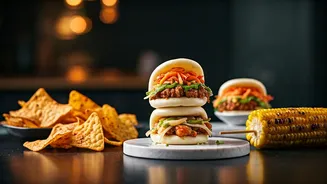
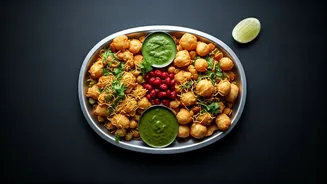
and street vendor scene, once a niche part of the culinary landscape, has become a powerful engine for flavor innovation in the mainstream consumer packaged goods (CPG) market. The core of this trend is authenticity. Consumers, particularly Millennials and Gen Z, aren't just looking for 'spicy' or 'international'; they're seeking the specific, transportive experience of trying birria tacos in Los Angeles, elote in Chicago, or bao buns from a New York City cart. Food companies are realizing that the next billion-dollar snack idea might not come from a corporate lab, but from a recipe perfected on a city sidewalk.
The Power of Hyper-Specific Flavors
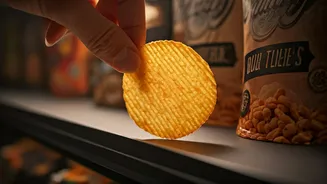
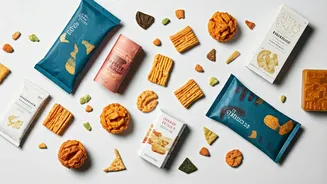
This isn't just about slapping a generic 'Thai Chili' label on a potato chip anymore. The new opportunity lies in hyper-specificity. Think less 'Mexican-style' and more 'Tatemado-style Birria.' Less 'Asian-inspired' and more 'Korean Gochujang and Sesame.' Brands are finding success by homing in on the distinct flavor profiles of beloved street foods. You can now find potato chips flavored like Cuban sandwiches, popcorn seasoned with everything bagel spice (a nod to NYC delis), and frozen snacks that perfectly replicate the taste and texture of Filipino lumpia or Colombian empanadas. This specificity serves two purposes: it appeals to consumers from those cultural backgrounds who crave a taste of home, and it offers other adventurous eaters a low-risk way to explore a new cuisine without committing to a full meal at an unfamiliar restaurant. It’s a passport through the snack aisle.
Convenience Is the Secret Ingredient
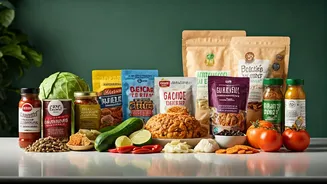
Flavor is only half the story. The other crucial element is the format. Street food is, by its nature, designed for convenience and portability. CPG brands are translating this ethos into products that fit seamlessly into modern, on-the-go lifestyles. The challenge is to take a food that might be complex to prepare from scratch—like a steamed bao bun or a slow-braised taco filling—and make it ready in minutes. This has led to a boom in high-quality frozen and refrigerated products. Brands like Wow Bao offer frozen buns that steam perfectly in the microwave, while companies are creating shelf-stable jerky with flavors like carne asada. This “snackification” of complex meals turns a time-intensive dish into an easy weeknight snack or a quick lunch, meeting the consumer demand for both authenticity and convenience.
Startups Pave the Way, Giants Follow
Much of the initial innovation in this space has come from nimble startups, often founded by entrepreneurs with a direct connection to the cuisines they’re championing. These smaller companies can move quickly, test niche flavors, and build a loyal following through authentic storytelling. However, the industry's giants are not sitting on the sidelines. Major players like Frito-Lay and Conagra are closely watching these emerging trends. Their strategy is often twofold: launch their own street-food-inspired lines under established brand names (like Lay's regional flavor contests) or, more frequently, acquire the successful startups that have already proven the market exists. This dynamic creates a vibrant ecosystem where small brands can disrupt the status quo, and large corporations provide the scale to bring those disruptive ideas to millions of households across the country.