



The Overture to an Epic Journey
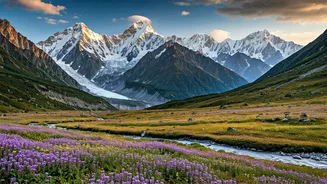
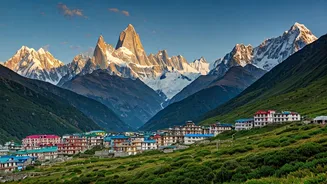
Imagine driving for hours through the Kumaon region of Uttarakhand, India, a remote corner of the Himalayas that feels worlds away from the country’s bustling cities. The air grows thinner, the peaks get sharper, and every hairpin turn reveals a new,
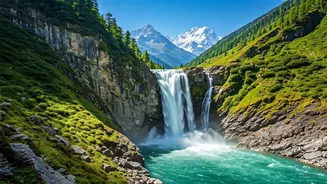
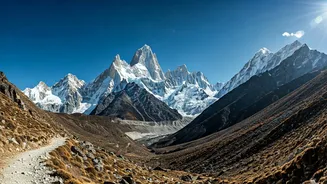
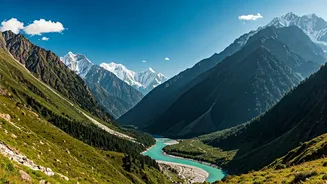
vertigo-inducing vista. This is the pilgrimage to Munsiyari, a town known to seasoned trekkers as the gateway to the legendary Milam and Ralam Glaciers. The journey itself is an adventure, a slow ascent into a kingdom of rock and sky. And then, as if on cue, the landscape offers up its first major spectacle: Birthi Falls. It doesn’t just appear; it announces itself. You hear it before you see it—a low, persistent roar that cuts through the mountain silence. It’s the perfect overture, a taste of the raw, untamed power that defines this high-altitude paradise.
More Than a Roadside Attraction
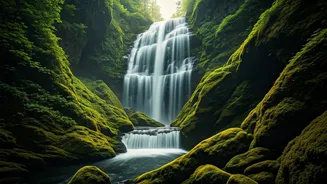
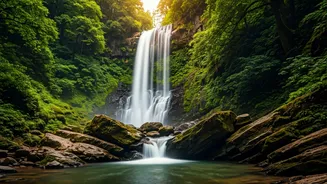
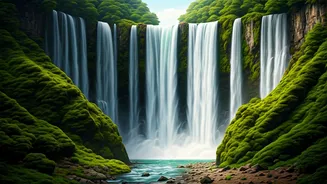
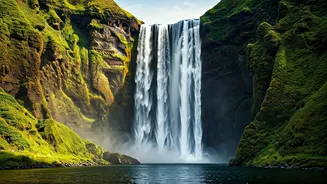
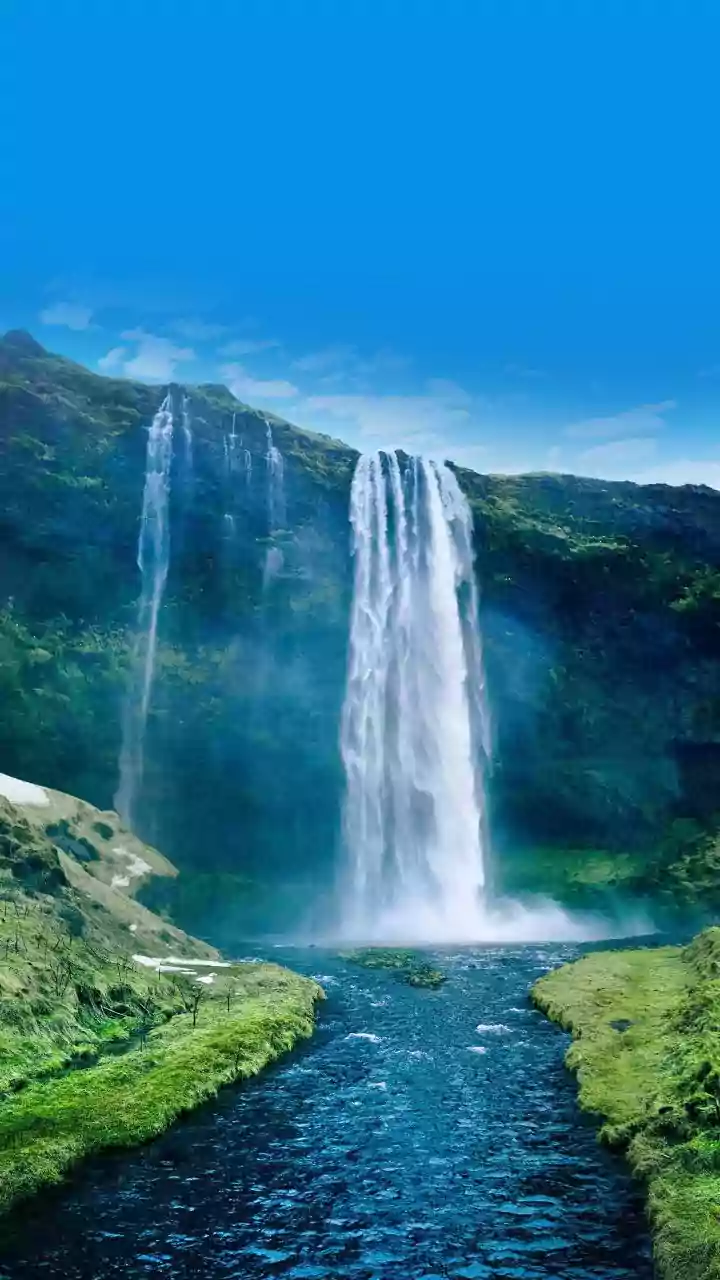
From the road, Birthi Falls is an impressive sight—a silvery cascade dropping from a concave cliff face. But to truly appreciate its scale, you have to get closer. A short, well-maintained path leads from the main road towards the base of the falls. The walk itself is a delight, winding through a small forest buzzing with the sounds of birds and insects, the roar of the water growing with every step. Suddenly, the trees open up, and you’re standing in a natural amphitheater of mist and sound. Plunging from a height of over 400 feet, the water atomizes into a cool spray that envelops everything. It’s an immersive, sensory experience. Unlike many famous waterfalls that are fenced off and viewed from a distance, Birthi invites you to feel its power. The sheer vertical drop and the thunderous echo against the rock walls create a sense of drama that photos can only hint at. This isn't just a scenic photo-op; it’s a visceral encounter with nature.
An Accessible Piece of the Wild
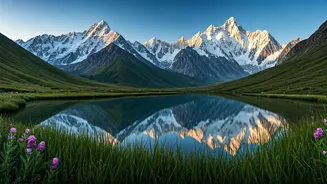
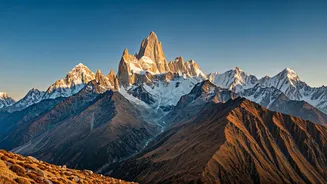
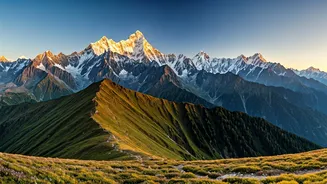
What makes Birthi Falls so special is its combination of raw power and easy accessibility. Munsiyari itself is a destination for the dedicated, a base for multi-day treks that demand serious preparation and physical fitness. It’s where you go to witness the staggering beauty of peaks like Panchachuli, a five-pronged massif that glows impossibly pink at sunrise. But Birthi Falls requires no such commitment. It’s located about 22 miles before Munsiyari on the main road, making it an unmissable stop for anyone heading to the town. This democratic access is its genius. It allows casual tourists, families, and those not equipped for a high-altitude trek to experience the same kind of awe-inspiring natural drama that draws mountaineers from around the globe. It serves as the perfect welcome, assuring every visitor that they, too, can touch a piece of the Himalayan wild.
How to Plan Your Visit
Integrating Birthi Falls into your travel plans is simple. The falls are a perennial feature, but their character changes with the seasons. During the monsoon season (July to September), they are at their most ferocious, a raging torrent of brown, silt-laden water. While powerful, the heavy rains can make road travel in the region hazardous. The ideal time to visit is just after the monsoon, from October to November, when the water volume is still high, the cascade is crystal clear, and the surrounding skies are a brilliant blue. Spring (March to April) is also a fantastic time, with pleasant weather and blooming rhododendrons coloring the hillsides. There's a small tourist rest house and a few local tea stalls nearby, offering a chance to grab a hot snack while soaking in the view. Just be sure to wear sturdy shoes for the short walk to the base, as the path can be slippery from the constant mist.