


The New Umami Guard
Let’s be clear: the claim that Japanese miso and fermented Korean black garlic now 'rule' Indian kitchens is a bit of a stretch. Turmeric, cumin, and coriander aren’t going anywhere. But these umami-rich ingredients are undeniably staging a brilliant
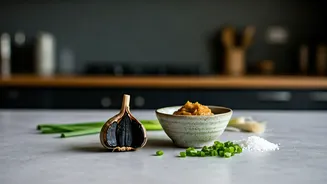
infiltration, becoming secret weapons for a new generation. Miso, the savory fermented soybean paste, offers a complex, salty depth that works wonders in everything from lentil dals to vegetable marinades. Black garlic, created by slow-heating garlic until it becomes sweet, molasses-like, and profoundly savory, adds a layer of complexity that feels both new and strangely familiar. Their power lies in their ability to amplify flavors without screaming 'fusion,' providing a backbone of 'oomph' that complements, rather than competes with, traditional Indian spice profiles.
This Isn't Your Dad's Fusion
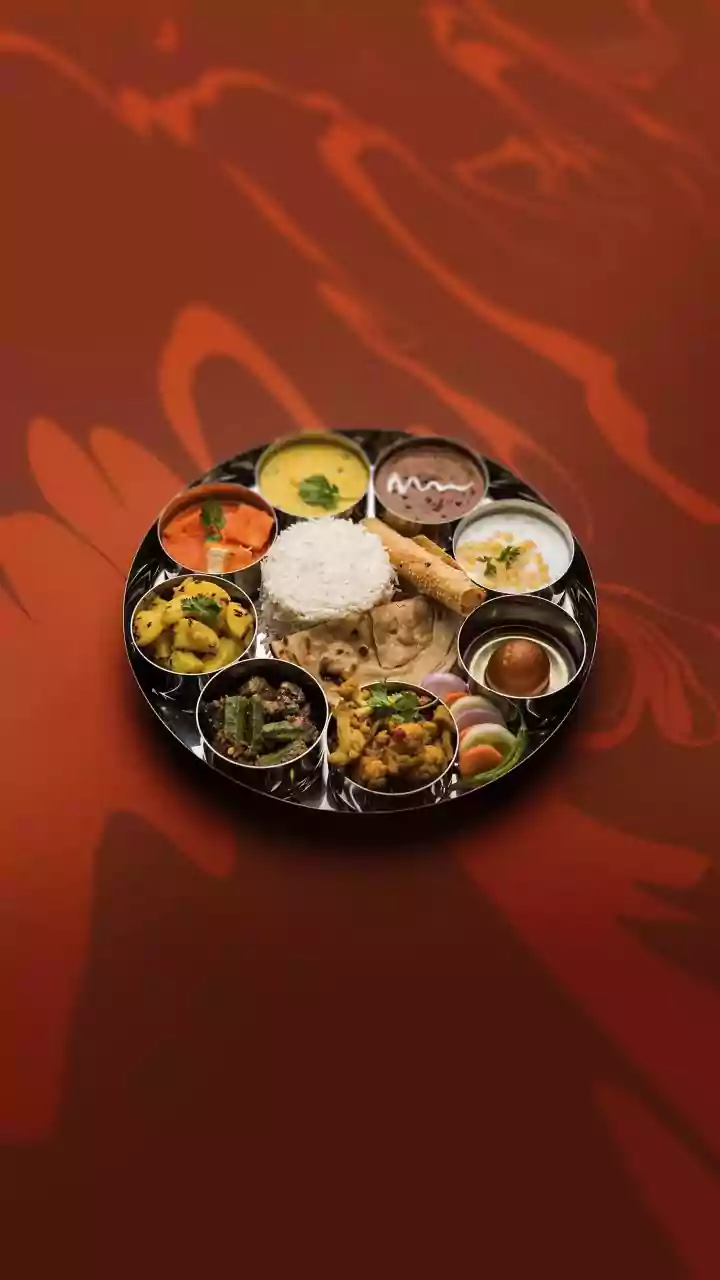
The word 'fusion' often conjures images of clumsy, forced culinary marriages from the 90s. This is something different. For many Gen Z and millennial cooks, especially those in the diaspora, this isn’t about mashing up two distinct cuisines. It's about cooking from a pantry that reflects their actual lives. They grew up eating dal and rice one night, and ramen or pasta the next. Their version of 'authentic' isn't tied to a rigid, idealized past but to their own lived experience. Using a spoonful of miso to enrich a sabzi isn't a betrayal of tradition; it's an honest expression of a globalized palate. This is 'third culture cooking,' where the boundaries between pantries have blurred into a single, cohesive, and deeply personal culinary language.
The TikTok-to-Table Pipeline
This shift is being accelerated at warp speed by social media. On platforms like TikTok and Instagram, culinary creativity is currency. A viral video of a chef making 'miso-ghee' or a home cook adding black garlic puree to a lamb marinade can inspire thousands of variations overnight. This digital feedback loop bypasses the traditional gatekeepers of culinary authenticity—cookbooks, grandmothers, and fine-dining restaurants. It creates a decentralized, democratic space where a 22-year-old in New Jersey can popularize a technique that gets adopted in kitchens from San Francisco to Mumbai. The visual, fast-paced nature of these platforms is perfect for showcasing the 'how' and 'why' of these ingredient pairings, making them seem less intimidating and more like a fun experiment anyone can try.
A New Definition of Authentic
Ultimately, the rise of ingredients like miso and black garlic in modern Indian cooking is forcing a necessary conversation about 'authenticity.' For decades, the measure of a 'good' Indian dish was its faithfulness to a supposed original. But cuisines are living things; they have always evolved through trade, migration, and new discoveries. Potatoes, tomatoes, and chilies, now considered foundational to Indian food, were all imports from the Americas. The current generation of cooks seems to understand this intuitively. They argue that authenticity isn't about historical purity but about intention, flavor, and personal story. A dish made with love, that tastes incredible and reflects the cook's unique heritage—even with a dollop of 'foreign' miso—is, in their eyes, as authentic as it gets.