





The Smart Home as a Service
Let’s get the name straight first. While the headline suggests a new public utility, the company at the heart of this trend is named Calm. Its business model, however, is what feels like a utility. Instead of buying a pile of smart speakers, cameras,
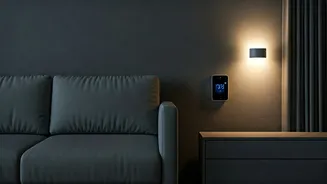
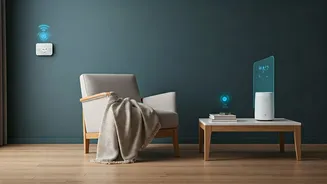
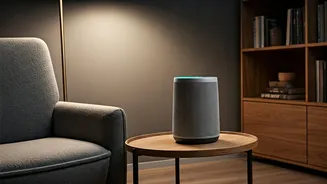
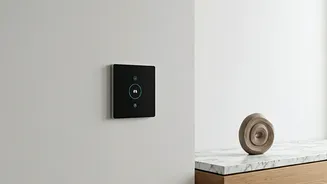
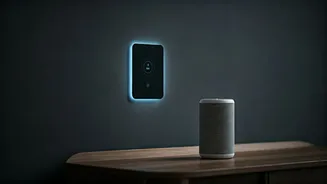
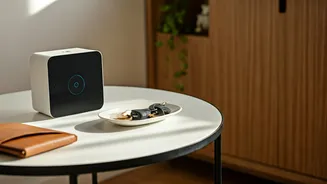
and thermostats and spending a weekend navigating instruction manuals, Calm offers a subscription package. For a monthly fee, the company provides customers with a suite of smart devices—typically high-quality gear from brands like Google Nest—along with professional installation and ongoing support. Think of it less like buying a car and more like leasing one, but for your home’s IQ. You get all the benefits of a fully integrated system without the upfront cost and DIY headache, effectively turning the complex world of smart technology into a simple, predictable monthly expense.
Cracking the Code for Renters
For years, the smart home market has catered almost exclusively to homeowners. The reasons are obvious: installing a smart thermostat involves messing with wiring, mounting a video doorbell means drilling into a doorframe, and landlords generally aren't thrilled with tenants making permanent modifications. This is where Calm’s model is a game-changer. By focusing on renters and residents of smaller homes like apartments and condos, the company addresses a massive, underserved market. Professional installers know how to deploy devices with minimal impact, often using non-damaging adhesives or clever placement that respects the terms of a lease. It’s a solution that acknowledges a modern reality: you don’t need to own a three-bedroom house with a white picket fence to want the convenience of telling your lights to turn off or checking on your pet from the office.
How It Actually Works
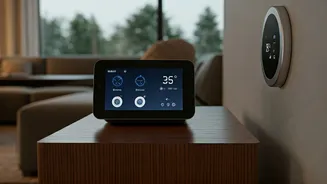
The process is designed for maximum simplicity. A customer typically starts by choosing a package based on their needs—a basic starter kit might include a Google Nest Hub and a smart thermostat, while a more advanced security-focused package could add video doorbells and extra cameras. Once you sign up, Calm schedules a visit from a certified technician. This isn’t a gig worker who watched a YouTube tutorial; it’s a professional who handles the entire setup, from unboxing the devices to connecting them to your Wi-Fi and ensuring everything communicates seamlessly. They’ll show you how to use the system and answer your questions before they leave. The goal is to remove every point of friction that normally stops people—especially the less tech-savvy—from embracing smart home technology. You just open the door and, a short while later, you live in a smart home.
The Price of Convenience
Naturally, this all-in-one convenience comes at a price, and it’s a recurring one. The central trade-off with Calm is ownership versus access. You don’t own the hardware. If you cancel your subscription, the company will typically arrange to have the equipment professionally removed. For some, this is a deal-breaker; they’d rather own their devices outright, even if it means a larger upfront investment. But for others, the subscription model is a feature, not a bug. It eliminates the risk of buying expensive tech that quickly becomes obsolete. It also bundles the cost of support, so if a device stops working, it's Calm's problem to fix, not yours. It’s a classic rent-vs-buy debate, applied to the technology embedded in your walls. The 'right' answer depends entirely on whether you value flexibility and long-term ownership more than immediate, hassle-free convenience.