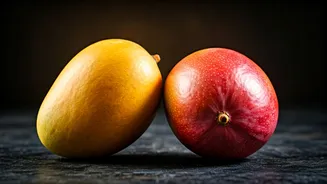



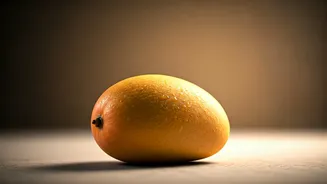
Meet the Reigning King: The Alphonso
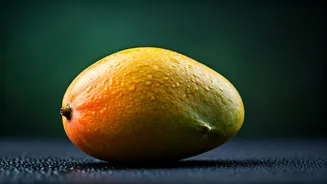
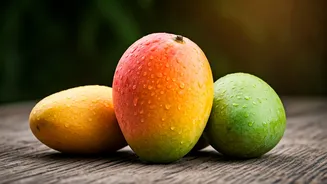
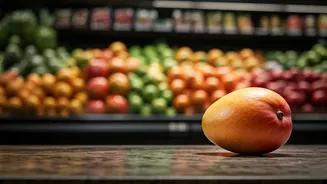
For decades, one name has dominated the mango conversation: the Alphonso. Known as ‘Hapus’ in its native Maharashtra, this variety is the gold standard for many, both in India and abroad. It’s what you’ll likely find for a premium price at specialty grocers
in the U.S. What’s the big deal? The Alphonso boasts a perfect balance of sweetness and acidity, a creamy, non-fibrous texture, and a saffron-hued flesh that emits an intoxicating aroma. Its short, precious season from late March to early June only adds to its allure and its hefty price tag. For its loyalists, the Alphonso isn't just a mango; it's an event, a benchmark against which all other fruits are measured. To question its supremacy is, in some circles, pure heresy.
The Challenger from Gujarat
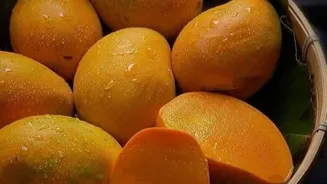
Every king needs a rival, and for the Alphonso, that’s the Kesar. Hailing from the neighboring state of Gujarat, the Kesar—or ‘Gir Kesar’—is a formidable contender. Its name, meaning ‘saffron,’ hints at its vibrant orange pulp and intensely sweet flavor profile. While the Alphonso is prized for its complex notes, the Kesar is beloved for its straightforward, honeyed sweetness and rich, juicy pulp, making it the preferred choice for aamras (mango puree), a beloved summer delicacy. Fans of the Kesar will argue that it offers a purer, more concentrated mango experience without the Alphonso’s occasionally pretentious price point. The debate between these two western Indian powerhouses is the stuff of family arguments and friendly wagers every single summer.
A Nation of Regional Champions
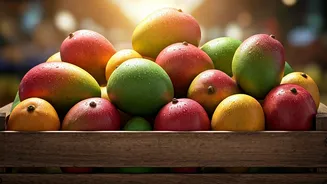
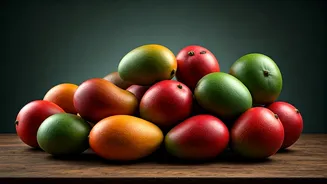
But focusing only on Alphonso and Kesar is like saying American barbecue is just Texas vs. Carolina. The reality is a vast, flavorful map of regional champions, each with its own fiercely proud following. Head north, and you’ll find the Dasheri from Uttar Pradesh, a smaller, fiberless mango with a sweet, fragrant pulp. Travel east to West Bengal for the delicate, thin-skinned Langra, known for a unique, slightly tangy flavor that hits the back of the palate. Down south, the Banganapalli from Andhra Pradesh is a large, pale yellow giant, prized for its subtle sweetness and versatility in cooking. Each variety tells a story of its local soil and climate, and each has millions of people who believe, with unshakeable conviction, that *their* mango is the true king.
The New Twists Making Things 'Tastier'
So, what’s new? The debate has been supercharged by two modern developments: agricultural innovation and official recognition. Farmers and agricultural universities are constantly experimenting. One recent star is the ‘Sadabahar’ (meaning ‘evergreen’), a new dwarf variety that, unlike its seasonal cousins, fruits multiple times a year. While it may not dethrone the classics, its availability challenges the very idea of mangoes as a fleeting, seasonal treat. Simultaneously, the Indian government's Geographical Indication (GI) tag system is formalizing the competition. Similar to how ‘Champagne’ can only come from Champagne, France, a GI tag legally protects a product’s name and links it to its region of origin. Dozens of mango varieties have now earned this status, turning informal regional pride into a recognized, legally protected brand. This adds a new layer of commercial and cultural weight to the debate, as regions compete not just for bragging rights, but for market share and global recognition.