






More Than a Pandemic Puppy Phase
Not long ago, traveling with a pet felt like a logistical nightmare reserved for a cross-country move or a military deployment. Today, it’s the new normal for millions of Americans. While the surge in “pandemic puppies” certainly accelerated the trend,
the foundation was laid long before 2020. The real driver is the deep cultural shift in how we view our pets: they’re not just animals we own; they’re family members. According to the American Pet Products Association, a staggering 66% of U.S. households include a pet, and a growing number of these owners, particularly Millennials and Gen Z, structure their lives—including leisure and travel—around their furry companions. They’re no longer content to leave Fido or Fluffy with a sitter or in a kennel. Instead, they’re seeking experiences they can share, and the travel industry is finally catching on in a big way.
The Hospitality Industry Rolls Out the Welcome Mat
For years, finding a truly pet-friendly hotel meant scrolling to the fine print and bracing for exorbitant fees and size restrictions. That’s changing fast. Hospitality brands have realized that accommodating pets isn’t a cost—it’s a competitive advantage. Boutique chains like Kimpton have built their brand on being exceptionally pet-forward for years, with no extra charges or size limits. Now, the major players are following suit. Hilton launched a partnership with Mars Petcare, offering access to virtual vet support and pet-friendly city guides across its brands like Canopy and Embassy Suites. Marriott’s portfolio includes hundreds of pet-welcoming properties, from its budget-friendly Residence Inn to its luxury W Hotels. This isn't just about allowing pets in the room; it's about actively courting their owners with amenities like dog beds, water bowls, welcome treats, and designated green spaces. It signals a fundamental understanding that for many travelers, a “no pets allowed” policy is as much of a dealbreaker as a lack of Wi-Fi.
Taking to the Skies (With Fewer Headaches)
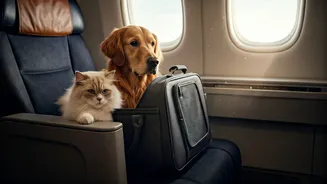
The final frontier of pet-friendly travel has always been the airport. Navigating airline policies on carrier sizes, breed restrictions, and cargo-hold horror stories has been a source of immense anxiety for pet owners. While it’s still far from seamless, the tide is beginning to turn. In a significant move, United Airlines recently updated its policy to allow pets in carriers to fly in the cabin on flights where a passenger is using a pet carrier as their one personal item, even if they also have a regular carry-on bag—a small but meaningful reduction in stress and cost. Meanwhile, semi-private carriers like JSX have made flying with dogs (even larger ones) a core part of their business model, letting them sit on the floor at their owner’s feet. These changes reflect a growing acknowledgment that the old, restrictive rules are out of step with modern consumer demand. As more travelers vote with their wallets, expect other airlines to continue easing restrictions to avoid losing out.
A New Economy for Four-Legged Travelers
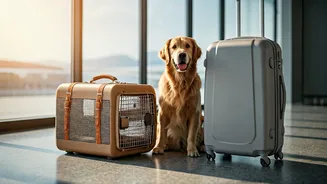
Where there’s a trend, there’s an economy, and pet travel is no exception. A whole ecosystem of products and services has sprung up to support this new breed of traveler. Websites like BringFido have become the go-to resource for booking pet-friendly hotels, restaurants, and activities, functioning like a TripAdvisor for the canine set. High-end pet gear companies are designing TSA-compliant carriers that look more like luxury totes than plastic crates. For those navigating complex international moves or simply wanting white-glove service, pet travel consultants offer to handle all the paperwork, vet appointments, and logistics for a fee. This burgeoning market proves that pet travel isn't a fleeting fad. It’s a robust consumer category fueled by people willing to spend significant money to ensure their beloved companions can join them on their adventures, safely and comfortably.