



The Perfect Window: Why June?
For anyone dreaming of exploring India’s “Little Tibet,” timing is everything. June marks the official start of the travel season in Ladakh, and it arguably offers the best balance of accessibility and tranquility. This is when the crucial mountain passes
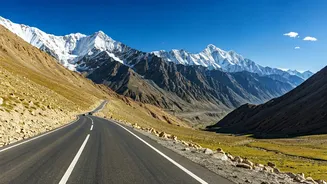
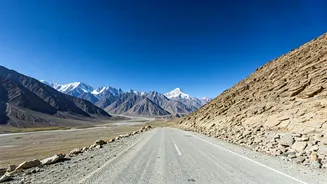
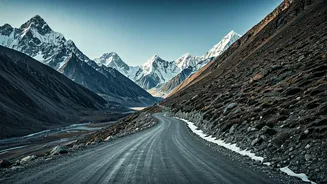
connecting Ladakh to the rest of India finally shed their snow. The Srinagar-Leh highway (via Zoji La pass) and the Manali-Leh highway (via Rohtang Pass) typically open by late May or early June, making road trips into this remote region possible. Flying into Leh, the region’s capital, is an option year-round, but a June arrival means you can immediately begin exploring the surrounding valleys by road without fear of impassable snowdrifts. While tourists have started to arrive, the peak crowds of July and August have yet to descend. You get the buzz of a region awakening for summer without the shoulder-to-shoulder experience at popular monasteries and viewpoints.
A 'Cool' and 'Dry' Mountain Desert
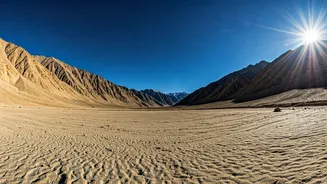
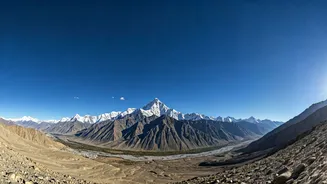
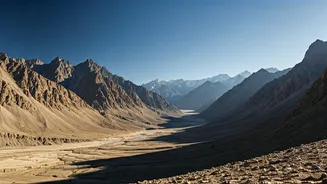
The headline doesn't lie. Ladakh sits in a rain shadow, meaning the towering Himalayan peaks block the monsoon clouds that drench the rest of the subcontinent from June to September. The result is a startlingly arid landscape with brilliantly clear blue skies, day after day. This makes June an ideal time for photography, trekking, and sightseeing. “Cool” is the operative word for the weather. At an average altitude of over 11,000 feet, summer is a relative term. Daytime temperatures in Leh and the surrounding valleys typically hover in the comfortable 60s to low 70s Fahrenheit—perfect for walking around in a light jacket. However, the high-altitude sun is intense, and the temperature plummets as soon as it dips behind the mountains, with nights often dropping into the 40s. It’s a climate that requires layers, but it spares you the oppressive heat or humidity found almost everywhere else in South Asia at this time of year.
Landscapes of 'Dramatic' Proportions
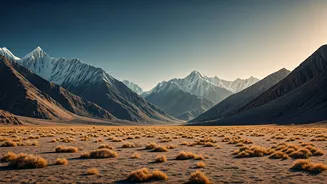
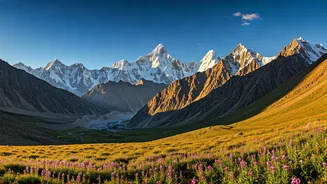
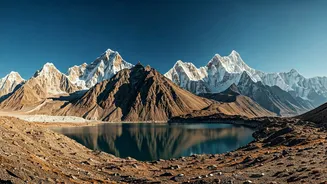
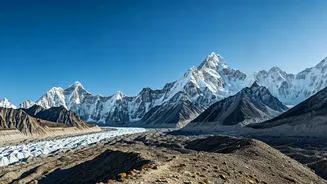
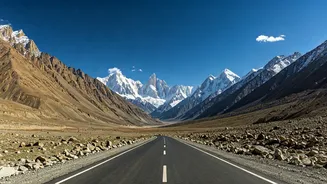
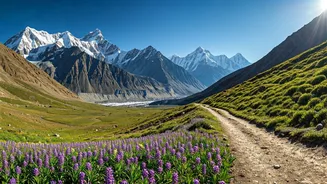
Dramatic might be an understatement. Ladakh’s scenery is so stark and otherworldly it often feels like a different planet. June’s bright, unfiltered sunlight accentuates the geological theater. The landscape is a canvas of barren, rust-colored mountains that give way to shockingly green oases in valleys carved by glacial meltwater. This is the month to witness the region’s most iconic sights in their full glory. Drive over Khardung La, one of the world's highest motorable passes, and descend into the Nubra Valley, a wide expanse of sand dunes where you can ride double-humped Bactrian camels against a backdrop of snow-capped peaks. The journey to Pangong Lake is equally breathtaking. This massive, high-altitude salt lake shimmers in impossible shades of turquoise and sapphire, changing color throughout the day. In June, the lake is fully thawed and its shores are accessible, offering a spectacle of color and scale that feels truly surreal.
Monasteries, Culture, and Clear Skies
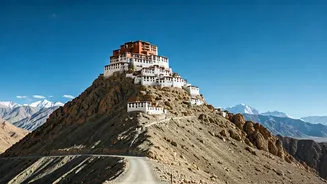
The region's dramatic character isn't just about geology; it's deeply cultural. Ladakh is dotted with ancient Buddhist monasteries, or gompas, that seem to grow organically from the cliff faces. In June, these spiritual centers are vibrant hubs of activity. You can explore the sprawling Thiksey Monastery, which resembles the Potala Palace in Lhasa, or visit Hemis, the region’s largest monastery, tucked away in a quiet gorge. Fortuitously, one of Ladakh's most famous cultural events, the Hemis Tsechu festival, often takes place in June. This two-day extravaganza celebrates the birth of Guru Padmasambhava with vibrant masked dances, traditional music, and religious ceremonies, drawing locals from all corners of Ladakh. Witnessing this colorful festival provides a profound connection to the living culture that thrives amidst the austere landscape, making a June visit not just a scenic trip, but a deeply memorable cultural immersion.