





The Philosophy of Cooling Foods
Before we dive into the dishes, it’s worth understanding the 'why.' Many of India's culinary traditions are influenced by Ayurveda, an ancient system of medicine that classifies foods by their effect on the body—either 'heating' (ushna) or 'cooling' (sheeta).
This isn't about the physical temperature of the food. A chili pepper, for instance, is considered heating, while a cucumber, even at room temperature, is cooling. Summer eating in India is a masterclass in balancing these properties. It’s about choosing ingredients that hydrate, replenish lost salts, and are easy to digest, preventing the sluggish, 'heavy' feeling that rich foods can cause in hot weather. Think less heavy curries and more fresh herbs, yogurt, and seasonal vegetables.
Chaas (Spiced Buttermilk): The Ultimate Hydrator
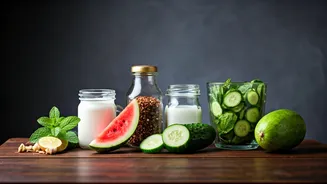
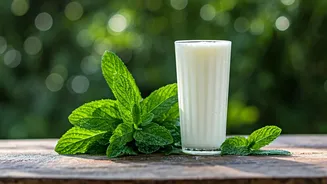
Forget sugary sodas. The undisputed king of cooling drinks in India is chaas, or spiced buttermilk. Thinner than its sweet cousin, the lassi, chaas is a savory, watery yogurt drink packed with benefits. The yogurt provides probiotics for gut health, which can get sluggish in the heat. It’s often blended with water, salt (to replenish electrolytes lost through sweat), and cooling spices like roasted cumin powder and fresh cilantro or mint. Every sip is designed to be restorative and deeply refreshing. It’s a staple in homes across the country for a reason—it’s the perfect antidote to a sweltering afternoon.
Cucumber Raita: The Cool-Down Condiment
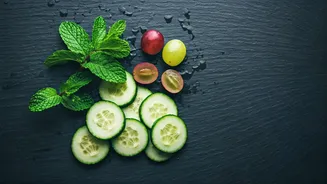
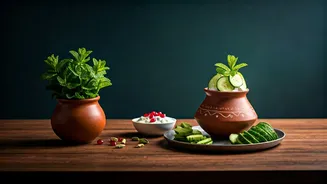
Raita is a non-negotiable side dish in the Indian summer. This yogurt-based condiment can be made with various ingredients, but the cucumber version is classic for a reason. Both yogurt and cucumber are prized for their cooling properties. Cucumbers are over 95% water, making them incredibly hydrating, while the yogurt base is soothing and light. Often seasoned with a pinch of salt, roasted cumin, and fresh mint, raita is served alongside rice dishes or spicy curries to temper their heat and provide a creamy, cooling contrast. It’s a simple, two-minute recipe that instantly makes any meal more summer-appropriate.
Aam Panna: The Tangy Green Mango Tonic
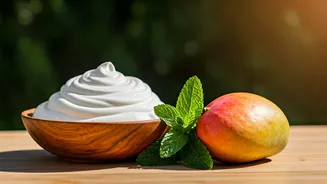
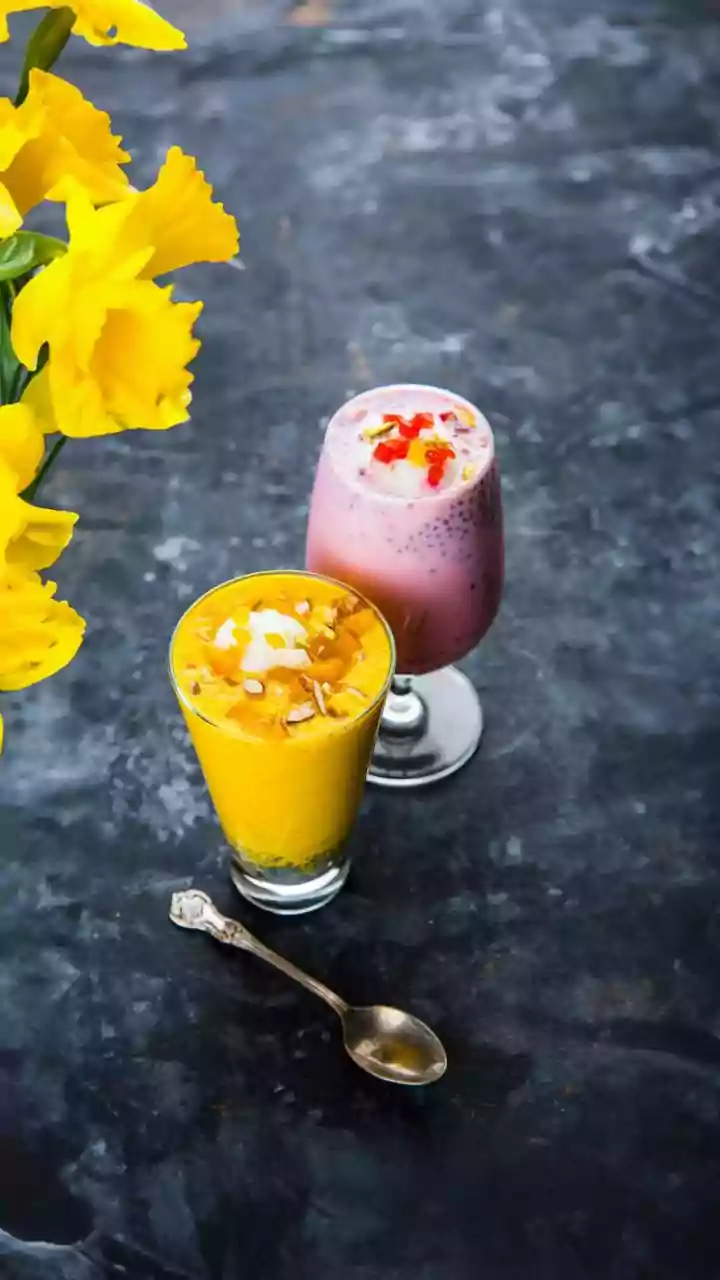
As soon as the first raw, green mangoes of the season appear, Indian households begin making aam panna. This beloved drink is made by boiling and pureeing unripe mangoes, then seasoning the pulp with sugar, salt, and spices like cardamom and cumin. The resulting concentrate is mixed with chilled water to create a sweet, sour, and slightly spicy beverage that’s uniquely equipped to battle the heat. Green mangoes are a phenomenal source of pectin, electrolytes, and vitamin C, and this traditional tonic is believed to prevent heat stroke and dehydration. It’s the flavor of an Indian summer in a glass.
Lemon Rice: Light, Bright, and Energizing
Heavy, greasy meals are the enemy of summer comfort. That's where dishes like lemon rice (chitranna) come in. Popular in South India, this simple preparation transforms leftover rice into a light, flavorful meal. The rice is tempered with oil, mustard seeds, lentils, and curry leaves, then finished with a generous squeeze of fresh lemon juice and a sprinkle of turmeric. The result is a dish that’s satisfying without being heavy. The citrus provides a zesty, refreshing kick, and the light carbohydrates offer energy without weighing you down. It’s the perfect example of how to eat well when your appetite wanes in the heat.
Kulfi: The Creamy, Not-Quite-Ice-Cream Dessert
What’s summer without a frozen treat? India’s answer is kulfi. While it looks like ice cream, it’s texturally quite different. Kulfi is made by slow-cooking milk until it reduces and caramelizes, which results in a denser, creamier, and less airy dessert that melts slowly—a major advantage in the heat. Traditional flavors lean into 'cooling' ingredients. Pistachio, cardamom, rosewater, and mango are all popular varieties. While it’s a cold dessert, its traditional preparation avoids the overly sugary profile of many Western ice creams, offering a more nuanced and satisfying end to a summer meal.