







What is Vetiver, Exactly?
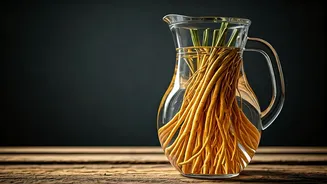
Vetiver, known locally as 'khus,' is a perennial grass native to India. While the tall green blades aren't the main attraction, its tangled, fibrous root system is a powerhouse of aroma and function. When dried, these roots release a complex, earthy,
and slightly sweet scent that is deeply calming. If the fragrance seems vaguely familiar, that’s because vetiver oil is a prized base note in the global perfume industry, anchoring iconic scents from luxury brands like Chanel, Dior, and Tom Ford. It provides a rich, woody foundation that prevents more volatile top notes from evaporating too quickly. But long before it was a staple in fine perfumery, vetiver was a cornerstone of everyday life and traditional wellness in South Asia, used for everything from weaving cooling mats to flavoring drinks.
An Ancient Tradition of Cooling
In a country where summer temperatures can be relentlessly high, staying hydrated and cool is a matter of survival. For centuries, before the advent of refrigeration, vetiver roots were a key part of India's natural cooling system. Families would soak a small bundle of the cleaned roots in a large earthen clay pot, or *matka*. The porous clay and the vetiver would work together in two ways: the pot would naturally cool the water through evaporation, while the roots would impart their subtle flavor and powerful cooling properties, known in Ayurvedic medicine as a *sheethali* (coolant). Woven screens of vetiver roots were also hung in doorways and windows; when sprinkled with water, they would cool the incoming breeze and fill the home with their signature earthy fragrance, acting as a kind of ancient air conditioner.
The Modern Urban Revival
So why is this ancient practice finding new life in the bustling, tech-savvy cities of India? The trend is a convergence of several modern concerns. First is a growing wellness movement that prioritizes natural and holistic health solutions over processed ones. Urban Indians are increasingly looking to their own heritage, rediscovering Ayurvedic and homegrown remedies that their grandparents took for granted. Infusing water with vetiver is a simple, accessible way to embrace this philosophy. Second is an environmental consciousness. With alarm bells ringing over plastic pollution, many are ditching single-use plastic bottles in favor of reusable ones filled with filtered water from home. Adding vetiver roots is a natural, zero-waste way to enhance that water. Finally, there's a powerful element of nostalgia—a desire to reconnect with a simpler, more grounded way of life amidst the chaos of the city.
Beyond Just Hydration: The Benefits
The primary draw of vetiver-infused water is its deeply refreshing quality. The flavor is subtle—not overpowering, but distinctly woody, smoky, and clean. On a hot day, it provides a sense of coolness that seems to emanate from within. In traditional Ayurvedic texts, vetiver is celebrated for more than just its cooling effect. It's believed to be a natural antioxidant, helping to calm the mind, relieve stress, and support the immune system. It’s also traditionally used as a blood purifier and a remedy for urinary tract and inflammatory issues. While modern clinical research is still exploring these claims, the anecdotal evidence and centuries of use have cemented its reputation as a gentle, restorative tonic. For many, the simple act of sipping this fragrant water is a form of mindfulness, a small ritual of self-care in a busy day.
From Root to Glass: How It's Done
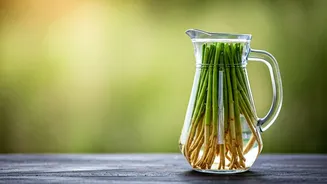
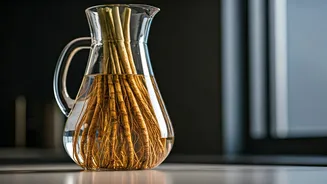
The process couldn't be simpler, which is a major part of its appeal. A small bundle of dried vetiver roots, available at local markets or online, is first rinsed thoroughly to remove any dust or soil. Then, the bundle is simply submerged in a pitcher of drinking water. It doesn't need to be boiled or steeped like tea. Within a few hours, the water takes on a faint golden hue and the subtle, earthy aroma of the roots. The same bundle can be reused for two to three days before it begins to lose its potency. It’s an effortless, inexpensive, and elegant way to upgrade daily hydration, turning a mundane necessity into a sensory pleasure.