

The Escape to Old Manali
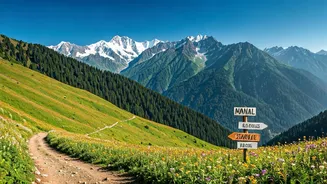
Just a short, winding walk uphill from the commercial buzz of New Manali lies a different world. Old Manali is where the asphalt gives way to cobblestone-like paths, and the soundtrack shifts from honking traffic to the rush of the Beas River. Here, traditional
Himachali homes with carved wooden balconies and slate roofs are interspersed with bohemian guesthouses and shops selling incense and colorful textiles. This isn’t a town frozen in time, but one that has gracefully absorbed decades of counter-culture influence. It’s the gentle entry point into a slower pace of life, where the main agenda item is often just finding a comfortable perch to watch the clouds drift across the valley. For many young American and European travelers, it serves as the first taste of the “visual comfort” promised by the region—a harmonious blend of nature and rustic charm.
Deeper into the Parvati Valley
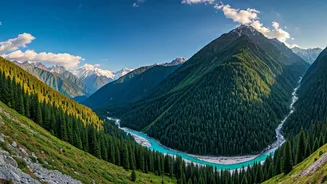
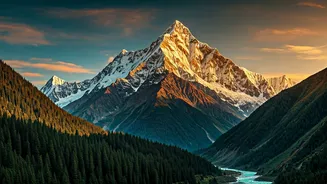
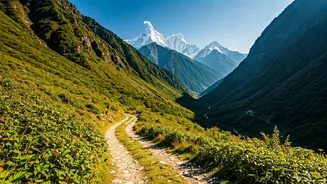
For those willing to venture further, the real heart of the modern hippie trail beats in the Parvati Valley. A few hours’ drive from Manali, villages like Kasol, Chalal, and Tosh feel even more removed from the everyday. Kasol, often dubbed the “mini-Israel of India,” thrums with a unique energy, its streets lined with bakeries serving shakshuka and cafes blasting psytrance. A short hike away, smaller hamlets offer deeper seclusion. The landscape here is more dramatic: the Parvati River, a roaring turquoise ribbon, carves its way through steep, pine-clad gorges. In villages like Tosh, perched at the valley's end, the view opens up to a breathtaking panorama of snow-dusted peaks. This is where the world truly slows down, a place where days are measured by the changing light on the mountains.
The Cafe as a Sanctuary
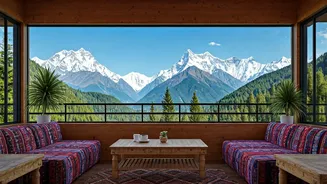
A defining feature of this region’s appeal is its unique cafe culture. These are not the grab-and-go coffee shops of American cities. They are destinations in themselves—sprawling, multi-level spaces designed for lingering. Low-slung tables, floor cushions, and hammocks are standard. The decor often features psychedelic murals, dreamcatchers, and warm, ambient lighting. Menus are an eclectic mix of Indian, Israeli, and Italian comfort food. But the main offering is the atmosphere. With panoramic windows framing Himalayan vistas, these cafes become sanctuaries. They are places to read a book for hours, strike up a conversation with a traveler from another continent, or simply sit in silence, nursing a cup of chai while the sheer scale of the surrounding nature recalibrates your sense of perspective. It’s a setup designed for maximum relaxation and minimum stress.
Echoes of the Hippie Trail
This modern-day phenomenon didn’t appear in a vacuum. It stands on the shoulders of the original 1960s and ‘70s hippie trail, when a generation of Western youth traveled overland through Asia in search of enlightenment, freedom, and cheap living. India, and particularly the Himalayas, was a key stop. While the political and logistical landscape has changed, the core motivation remains surprisingly similar. Today’s travelers are not necessarily dropping out of society forever, but they are seeking a temporary reprieve from the pressures of hyper-connectivity, careerism, and consumer culture. The legacy of that first wave is visible in the laid-back vibe and the established infrastructure for backpackers, but it has been updated for a new generation that documents its quest for authenticity on Instagram.
Defining 'Visual Comfort'
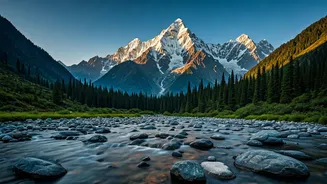
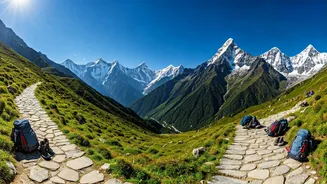
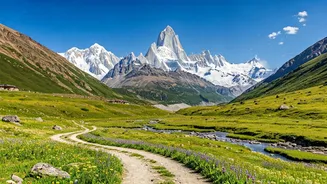
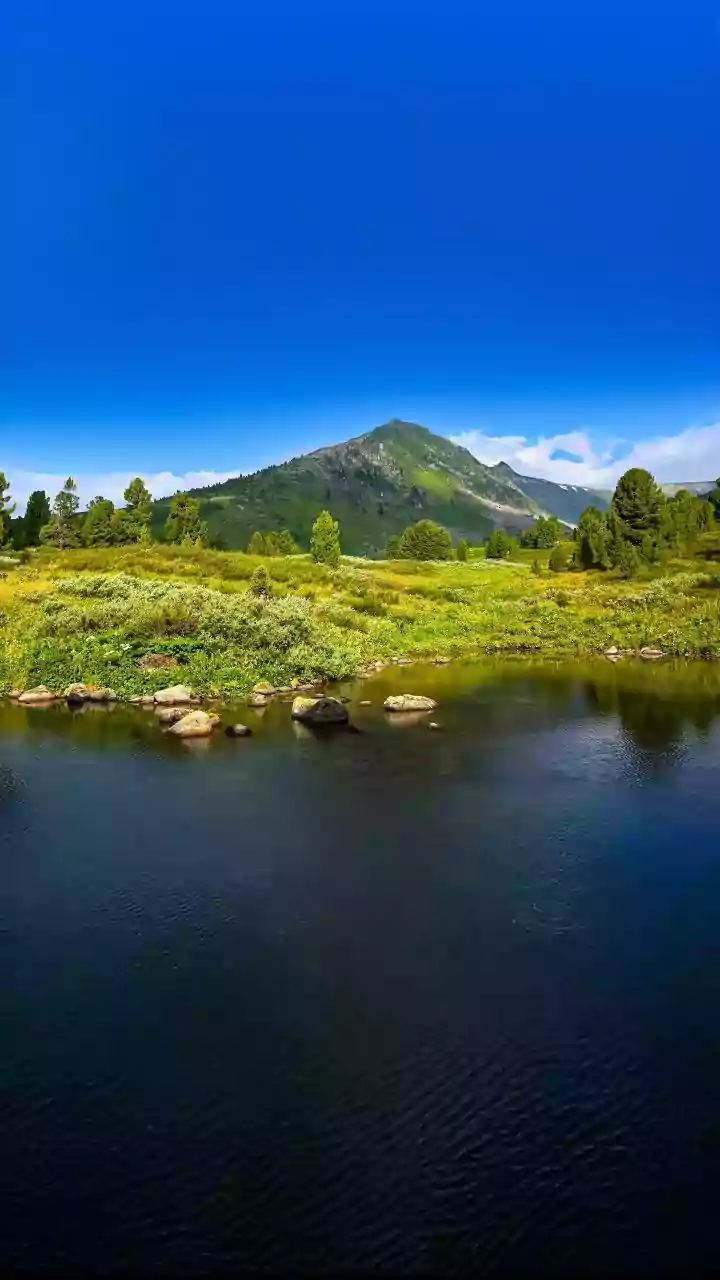
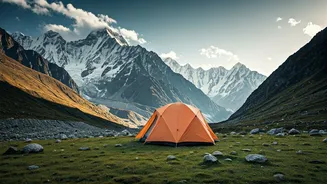
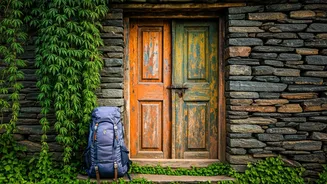
So what, exactly, is this “ultimate visual comfort”? It’s more than just a pretty picture. It’s an aesthetic ecosystem. It’s the comfort of seeing vast, uninterrupted natural beauty—the jagged lines of mountains against a clear blue sky, the deep green of a deodar forest. It’s the architectural comfort of wooden lodges and stone cottages that seem to grow organically from the landscape. And it’s the social comfort of being in a place where the pace is slow and the expectations are few. In a world saturated with manufactured images and digital demands, the raw, unfiltered beauty of the Himalayan foothills, combined with a culture that encourages you to simply be, offers a profound sense of peace. It’s a visual feast that soothes the mind, not just the eyes.