
A Mythical Himalayan Garden
For centuries, the Valley of Flowers, located in the Chamoli district of Uttarakhand, India, was the stuff of local legend. Known as Pushpawati, it was said to be inhabited by fairies and was a place from which mortals were carried away by the intoxicating
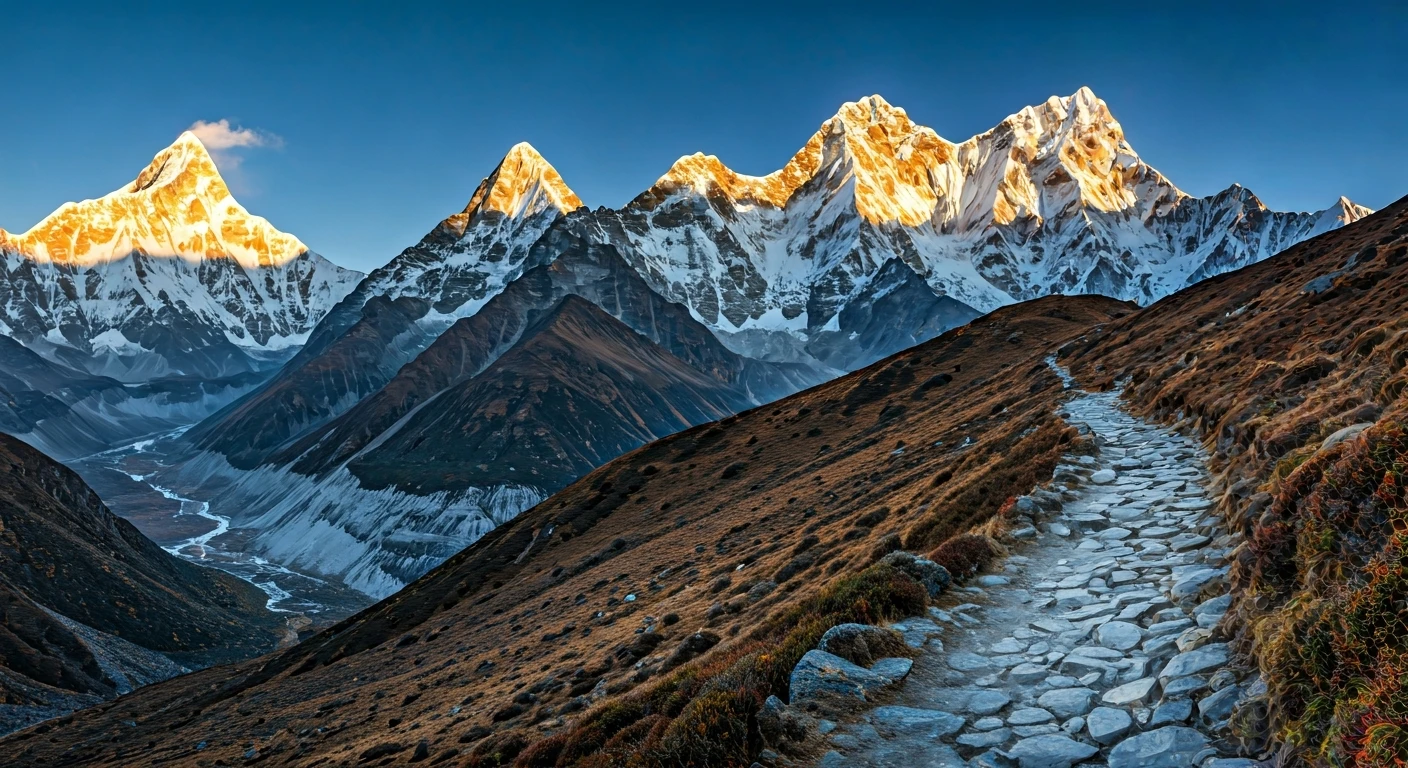
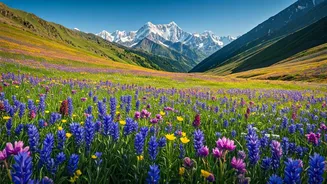
scent of its blossoms. It remained largely hidden from the outside world until 1931, when three British mountaineers, led by Frank S. Smythe, stumbled upon it after a successful expedition. Today, it’s a designated National Park and a UNESCO World Heritage Site, celebrated for its astonishing meadows of endemic alpine flowers. Set against a dramatic backdrop of snow-capped peaks, the valley is a unique ecosystem where the monsoon rains trigger a short, intense, and breathtakingly beautiful flowering season. For serious hikers and nature lovers—the modern “bloom-chasers”—it represents a pilgrimage to one of the planet's most spectacular botanical wonders.
A Carpet of Alpine Color
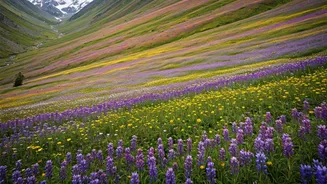
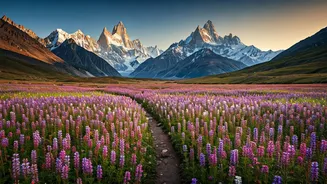
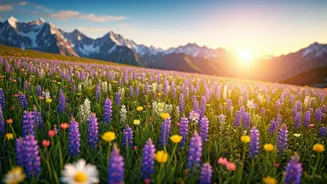
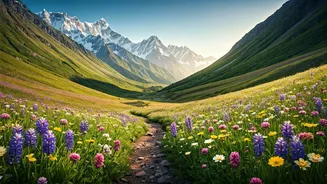
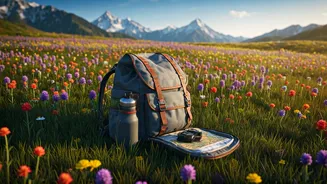
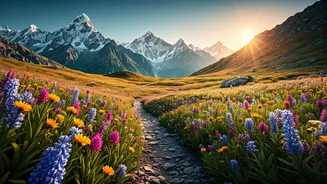
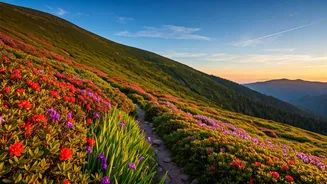
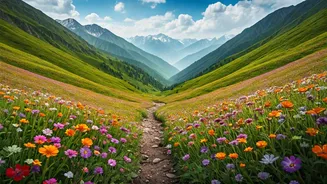
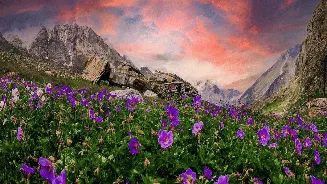
What makes the Valley of Flowers so special isn't just one type of bloom, but a staggering diversity of over 500 species unfolding across its glacial-carved landscape. During the peak season, the valley floor is a mosaic of purples, yellows, blues, and reds. Visitors walk through fields of geraniums, potentillas, and wild roses. The main draw for many botanists and enthusiasts, however, are the rarer, more elusive species. This is one of the few places on earth you can reliably find the ethereal Himalayan blue poppy (Meconopsis aculeata). The landscape is also dotted with the unique, hooded form of the cobra lily (Arisaema) and the high-altitude, almost mythical Brahma Kamal (Saussurea obvallata), a flower that blooms only at night and is a revered offering in local temples. The sheer density and variety transform the alpine pasture into a living impressionist painting, changing its hues almost weekly as different species come into bloom.
The Journey Is Part of the Magic
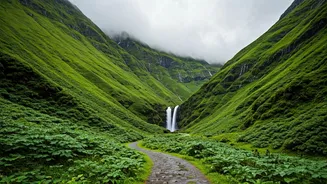
Reaching this remote paradise is an adventure in itself, and not one for the casual tourist. The journey is an integral part of the experience, demanding a moderate level of physical fitness and a spirit of determination. The trek typically begins from the village of Pulna, which is a short drive from Govindghat. From there, it’s a roughly 9-mile trek to the base camp village of Ghangaria, a bustling outpost of guesthouses and restaurants catering to trekkers. After acclimatizing for a night in Ghangaria, hikers make the final push into the Valley of Flowers itself, a 3-mile walk through a forested path that opens up dramatically into the main valley. The trail is well-maintained but can be steep and rocky in sections, with the high altitude adding to the challenge. Visitors are not allowed to camp inside the valley, so it’s a day trip from Ghangaria, ensuring the park remains pristine and untouched by permanent settlement.
How to Plan Your Pilgrimage
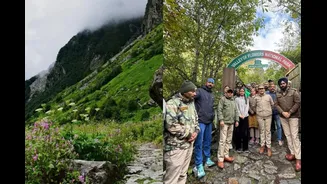
Timing is everything. The valley is only accessible from June to October, as it's covered in heavy snow the rest of the year. The absolute peak bloom period is from mid-July to mid-August, when the monsoon rains are in full swing. This means you should be prepared for wet weather, but it’s this very moisture that fuels the floral explosion. To enter the park, you’ll need a permit, which is easily obtainable at the entrance gate before the final trek into the valley. While hiring a guide isn't mandatory for the valley itself, it's highly recommended for navigating the logistics of the trek to Ghangaria and for identifying the diverse flora. Pack layers, waterproof gear, sturdy hiking boots, and be prepared for basic accommodations at Ghangaria. The reward for your efforts is access to a fleeting, fragile world of impossible beauty.