


From Pet Owners to Pet Parents
For generations, the concept of a pet in many Indian households was utilitarian—a guard dog fed table scraps, a cat for pest control. But a profound cultural shift is underway, accelerated by the pandemic. A growing, urbanized middle class with higher
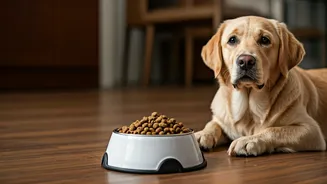
disposable incomes and smaller, often nuclear, families is driving a change in perspective. Younger Indians, in particular, are delaying marriage and children, instead pouring their affection and resources into furry companions. They don't see themselves as 'owners'; they are 'pet parents.' This change in identity is the single biggest driver of the premium pet food market. When you see your dog or cat as a child, you don't just feed it leftovers. You worry about its nutrition, its health, and its happiness. This emotional investment has unlocked a new willingness to spend, creating a market that barely existed a decade ago. The loneliness and isolation of COVID-19 lockdowns only amplified this trend, leading to a spike in pet adoptions and an even deeper bond between humans and their animals.
What 'Clean' and 'Premium' Actually Means
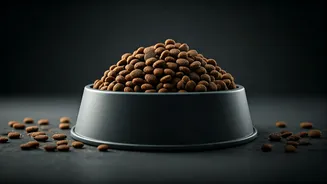
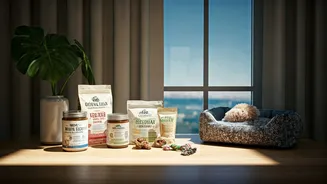
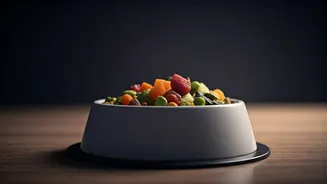
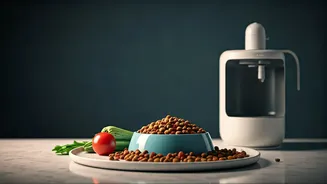
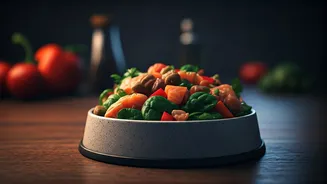
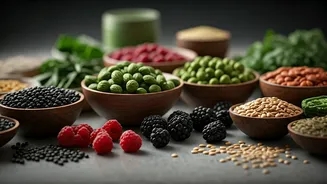
So what does this new demand look like on the shelf? It’s a complete departure from the dusty bags of generic kibble that once dominated the market. 'Premium' and 'clean' are the new watchwords, mirroring trends in human wellness. For Indian consumers, this translates to several key demands. First is the move toward 'human-grade' ingredients—think chicken breast, salmon, and fresh vegetables you could find in your own grocery cart. Second is a focus on 'clean labels,' meaning no artificial preservatives, colors, or flavors. There's also a growing interest in specialized diets, such as grain-free formulas, puppy-specific nutrition, and food for sensitive stomachs. Indian companies like Heads Up For Tails (HUFT) and Drools, alongside international giants like Mars Petcare (owner of Royal Canin) and Nestlé (owner of Purina), are all racing to cater to this demand with fresh-cooked meals, freeze-dried raw food, and meticulously sourced kibble.
A Market Moving Beyond the Big Box
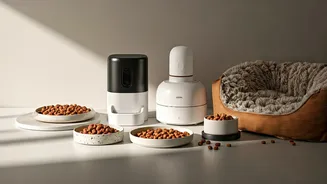
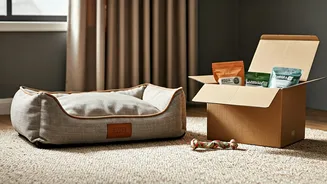
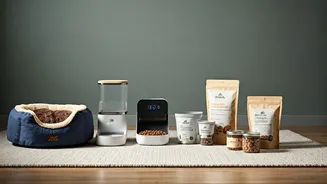
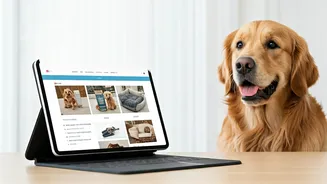
The way people buy pet food is changing, too. The old model was simple: pick up a bag at the local grocery store. Today, a sophisticated retail ecosystem is emerging. Direct-to-consumer (D2C) startups are offering subscription boxes of freshly prepared meals delivered straight to customers' doors, complete with personalized diet plans. These brands build a direct relationship with the consumer, offering advice and building community online. At the same time, boutique pet stores are becoming high-end 'experience centers.' They offer everything from gourmet treats and designer accessories to professional grooming and wellness consultations. This omnichannel approach—combining online convenience with premium in-person experiences—is key to capturing the modern Indian pet parent, who researches extensively online before making a purchase.
An Opportunity Unleashed
The numbers tell a powerful story. India's pet care market is one of the fastest-growing in the world, projected to surge past $800 million in the next few years, with the premium food segment leading the charge. While still smaller than the multi-billion-dollar U.S. market, its pace of growth is attracting significant investment from both domestic entrepreneurs and global corporations. For international brands, India represents a massive, relatively untapped market. For local startups, it’s a chance to build an authentic, homegrown brand that understands the specific nuances of the Indian consumer. This competition is ultimately a win for the country's pets, who are getting access to a higher quality of nutrition than ever before. It also serves as a fascinating barometer of economic and social change—when people start spending more on their pets' food than on their own, you know a major consumer revolution is afoot.