





The Geopolitics of a Welcome Mat
This isn't happening by accident. The growing trend of visa waivers for Indian citizens is a calculated move by tourism-dependent economies. Countries are recognizing the immense potential of India's burgeoning middle class and its massive outbound tourism market,
which was valued at over $150 billion pre-pandemic and is recovering at a record pace. Post-pandemic, nations are competing fiercely for tourist dollars, and simplifying entry is one of the most effective tools in their arsenal. By removing the bureaucratic and costly hurdle of a pre-travel visa application, countries can instantly make themselves more attractive. This is also a form of 'soft power' diplomacy. As India's economic and political influence grows on the world stage, offering its citizens easier travel access is a nod of respect and a strategic move to foster stronger bilateral ties.
Southeast Asia's Tourism Play
Nowhere is this trend more visible than in Southeast Asia. In late 2023, Thailand, a perennial favorite for its beaches, food, and culture, announced a temporary visa-exemption scheme for Indian tourists, allowing for a 30-day stay. The move was designed to boost its tourism sector during the high season, and its success prompted an extension. Following suit, Malaysia announced that Indian citizens could enjoy visa-free entry for up to 30 days starting December 1, 2023. Not to be outdone, Sri Lanka, with its stunning landscapes and rich history, also included India in its visa-free pilot program. These coordinated moves create a highly competitive but traveler-friendly environment, allowing for easier multi-country trips across the region.
Beyond Asia: A Global Trend
The enthusiasm for attracting Indian tourists extends well beyond Asia. Kenya, famous for its incredible wildlife safaris and Maasai Mara National Reserve, declared that all visitors, including those from India, would be visa-free starting in January 2024. This bold move aims to position Kenya as a premier, accessible destination for a new generation of travelers. Similarly, Iran, seeking to bolster its tourism industry, approved a visa-waiver program for visitors from 33 countries, with India prominently on the list. These decisions highlight a broader recognition that the future of global tourism growth is heavily tied to the Indian market. While the Indian passport still ranks modestly in global mobility indexes, these individual country-by-country decisions are creating powerful new corridors for travel.
Navigating the New Rules
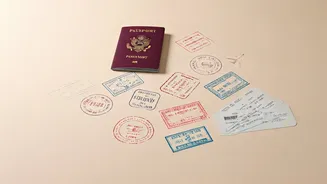
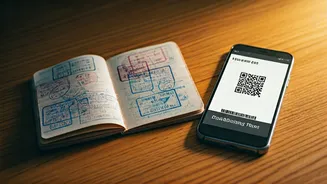
For travelers, this is overwhelmingly good news, but it's crucial to understand the different types of access. 'Visa-free' is the gold standard, meaning you can board a flight with just your passport and receive an entry stamp upon arrival. 'Visa on arrival' is similar, but you may need to fill out a form and pay a fee at the destination airport. An 'e-visa,' while much simpler than a traditional embassy visit, still requires an online application and approval before you travel. The key benefit across the board is the elimination of time-consuming paperwork, appointments, and uncertainty. Saving anywhere from $50 to $150 in visa fees per person, per country, also adds up, making family vacations or multi-stop trips significantly more affordable.