





India’s Princess of the Hills
For the uninitiated American traveler, the term “hill station” might not ring a bell. Picture this: in the 19th century, British colonists in India, desperate to escape the sweltering summer heat of the plains, sought refuge in the cool, high-altitude
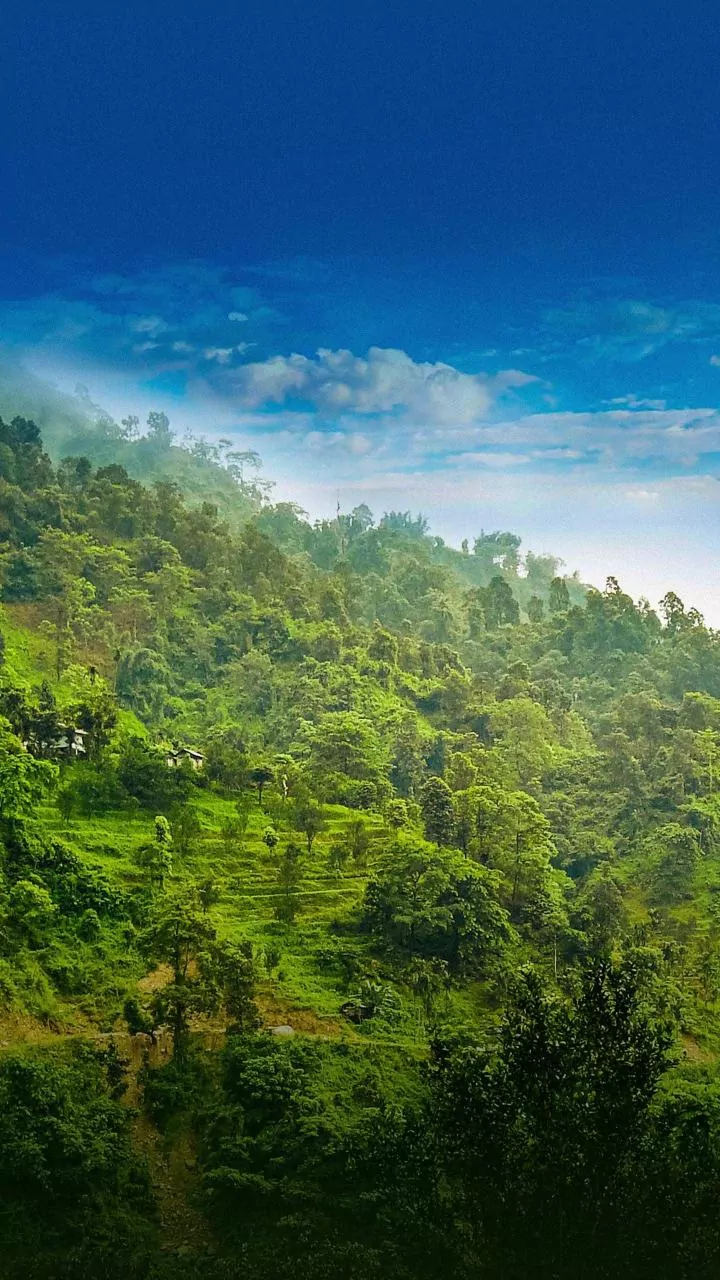
mountains. They established towns with a distinctly European feel, complete with stone churches, charming cottages, and placid man-made lakes. Kodaikanal, nestled over 6,900 feet up in the Palani Hills of Tamil Nadu in southern India, is one of the most beloved. Known as the “Princess of Hill Stations,” it was founded by American missionaries, giving it a unique historical link back to the States. But today, its appeal isn’t colonial nostalgia; it’s a timeless sense of peace that feels more relevant than ever.
When Rain Isn't a Bad Thing
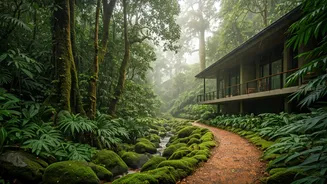
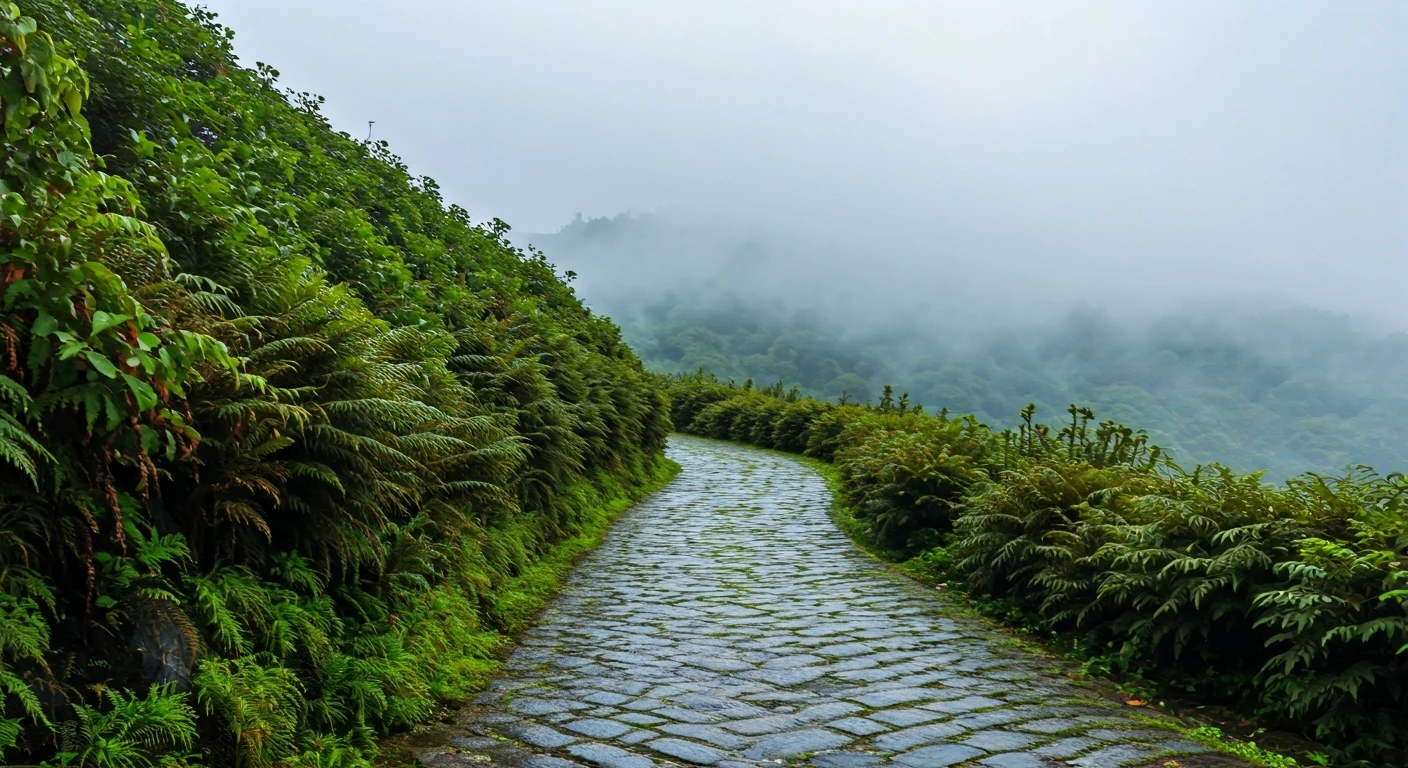
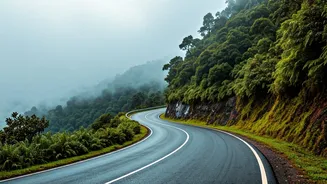
We’re conditioned to see rain as a vacation-ruiner. Canceled plans, dreary days, a reason to stay inside. In Kodaikanal, especially during the monsoon season from June to September, the rain is the main event. It isn’t a furious, day-long downpour. It’s a gentle, atmospheric performance. A thick fog rolls in without warning, swallowing the emerald valleys whole, only to dissipate moments later, revealing a landscape washed clean and impossibly green. The air is filled with the scent of wet earth and eucalyptus. The steady drumming of rain on a tin roof becomes the soundtrack to your afternoon nap. Instead of running from the weather, you learn to embrace it, realizing that a cozy sweater and a hot cup of tea are their own kind of paradise.
The Gentle Art of Doing Very Little
The “soft escape” is an antidote to the pressure of the bucket list. It’s the permission to have an itinerary with only one item: slow down. Kodaikanal is built for this. The centerpiece of the town is a man-made, star-shaped lake where you can rent a paddleboat and leisurely drift through the mist. Coaker’s Walk, a paved pedestrian path that clings to the edge of a steep slope, isn’t a strenuous hike but a contemplative stroll, offering breathtaking (and often cloud-obscured) views. The goal isn’t to conquer the mountain but to simply be on it. It’s about finding a bench, watching the clouds shift, and not checking your phone for hours. It’s about reading a book in a café window, a quiet rebellion against the productivity hamster wheel we live on back home.
Comfort in a Cup (and on a Cob)
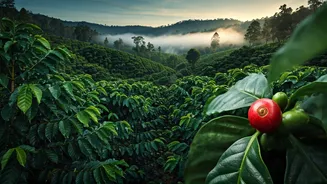
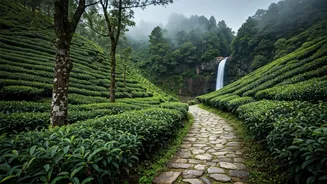
The cool, damp weather creates a craving for simple comforts, and Kodaikanal’s street food scene delivers. The air is often perfumed with the smell of roasting corn on the cob, sold by vendors who will slather it with salt, chili, and a squeeze of lime. You’ll find stalls selling piping hot “bhajis” (vegetable fritters) and spicy chili-battered bread, perfect for warming your hands and your spirits. But the true currency of the hills is tea and coffee. The surrounding regions are famous for their plantations. Sitting in a small tea shop, sipping a cup of sweet, milky chai or a strong local brew while watching the rain fall outside, is a core Kodaikanal experience. It’s not a gourmet meal, but it’s deeply nourishing in a way that matters more.