




Why Rain Increases Health Risks
It’s easy to underestimate the health hazards that accompany heavy rainfall and flooding. The primary danger isn't the rain itself, but its consequences. Floodwaters are a toxic soup of everything they touch, including sewage, chemicals, agricultural
runoff, and pathogens from overflowing sewer systems. This contaminated water can easily seep into private wells and, in some cases, overwhelm municipal water systems. Simultaneously, storms often cause power outages. Without refrigeration, perishable foods quickly become breeding grounds for harmful bacteria like Salmonella, E. coli, and Listeria. The combination of contaminated water sources and spoiled food creates a perfect storm for gastrointestinal illnesses.
Secure Your Drinking Water
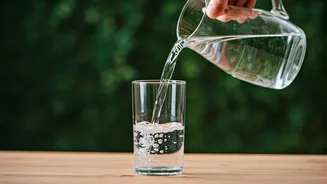
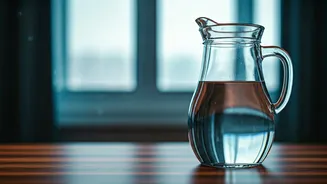
Assuming your tap water is safe during a storm is a dangerous gamble. If you are under a boil-water advisory, or if you suspect your water source has been compromised by flooding, you must treat it before use. The most reliable method is boiling. According to the CDC, bringing water to a rolling boil for at least one minute (or three minutes at elevations above 6,500 feet) will kill most disease-causing organisms. If you can't boil water, you can disinfect it with unscented household bleach. Add 1/8 of a teaspoon (or 8 drops) of bleach per gallon of clear water, stir it, and let it stand for 30 minutes before use. The water should have a slight chlorine smell. If it doesn't, repeat the dosage and wait another 15 minutes. Storing a supply of commercially bottled water—at least one gallon per person, per day—is the safest and easiest strategy.
Master Food Safety Without Power
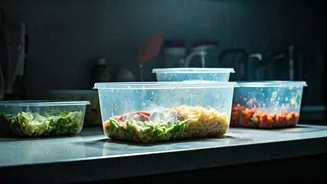
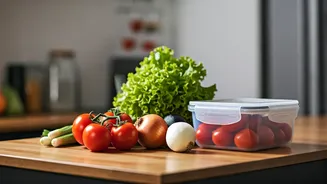
When the power goes out, your refrigerator and freezer become ticking clocks. The golden rule is to keep the doors closed as much as possible. A full freezer will typically hold its temperature for about 48 hours if it remains unopened; a half-full freezer lasts about 24 hours. A refrigerator will keep food safe for only about four hours. Once these time limits are passed, you need to start making tough decisions. You should discard any perishable food—including meat, poultry, fish, eggs, and leftovers—that has been at temperatures above 40°F for two hours or more. Never taste food to determine if it's safe. A good motto, recommended by food safety experts, is: "When in doubt, throw it out." Stocking up on non-perishable items like canned goods, dried fruit, and peanut butter can ensure you have safe, nutritious options during an extended outage.
Keep Your Environment Clean
Hygiene extends beyond what you eat and drink. Damp, humid conditions are a breeding ground for mold and bacteria in your home. After a flood, it's crucial to clean and disinfect any surface that came into contact with floodwater. This includes walls, floors, and countertops. A solution of one cup of bleach per five gallons of water is effective for disinfecting hard surfaces. Wash all soft furnishings like bedding and clothing in hot water. Personal hygiene is just as important. Wash your hands frequently with soap and safe water, especially before preparing or eating food, after using the bathroom, and after any cleanup activities. If safe water isn't available for washing, use an alcohol-based hand sanitizer with at least 60% alcohol.
Prepare Your Emergency Kit
The best way to handle a rainy-season emergency is to prepare for it before it happens. Assemble a food and water safety kit that you can access easily. This kit should include at least a three-day supply of non-perishable, easy-to-prepare food items. Think canned soups, protein bars, and crackers. For water, store at least one gallon per person per day. Also include a can opener, disposable plates and utensils, and disinfecting wipes or an alcohol-based hand sanitizer. Having these items ready means you won't have to scramble for resources during a stressful situation, allowing you to focus on keeping yourself and your family safe.