
An Appetite for the World
For decades, Mumbai’s identity was deliciously intertwined with its legendary street food and classic regional Indian restaurants. The city’s culinary map was a beloved tapestry of chaat corners, Irani cafes, and thali joints. But in recent years, that
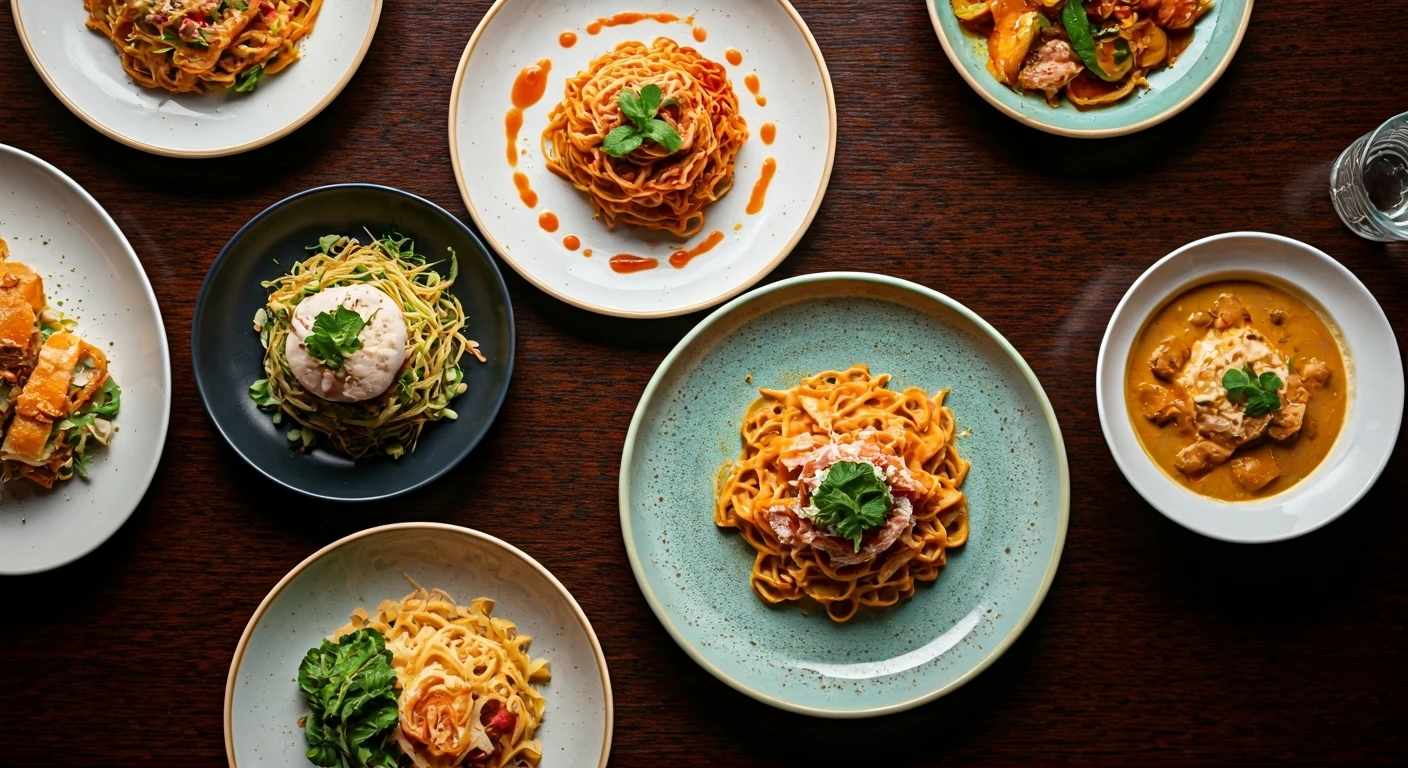
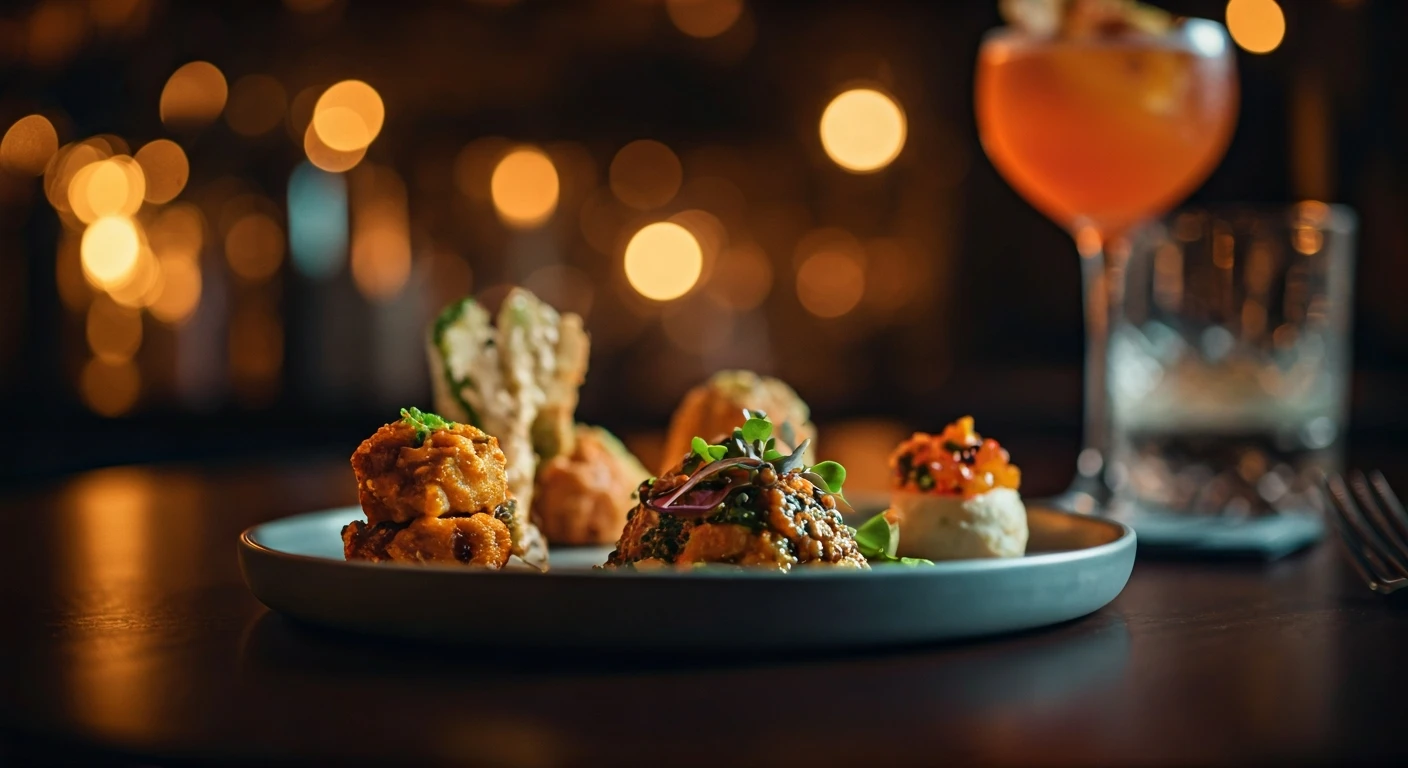
map has been redrawn, expanded, and colored in with an audacious palette of international flavors. The change is palpable. In neighborhoods from Bandra to Colaba, the scent of sizzling ramen broth and wood-fired Neapolitan pizza now mingles with the familiar aroma of toasted pav and fragrant biryani. This isn’t a gentle evolution; it’s a full-blown renaissance, driven by a new generation of chefs and diners with global tastes and local pride.
The Japanese Wave and Latin Flair
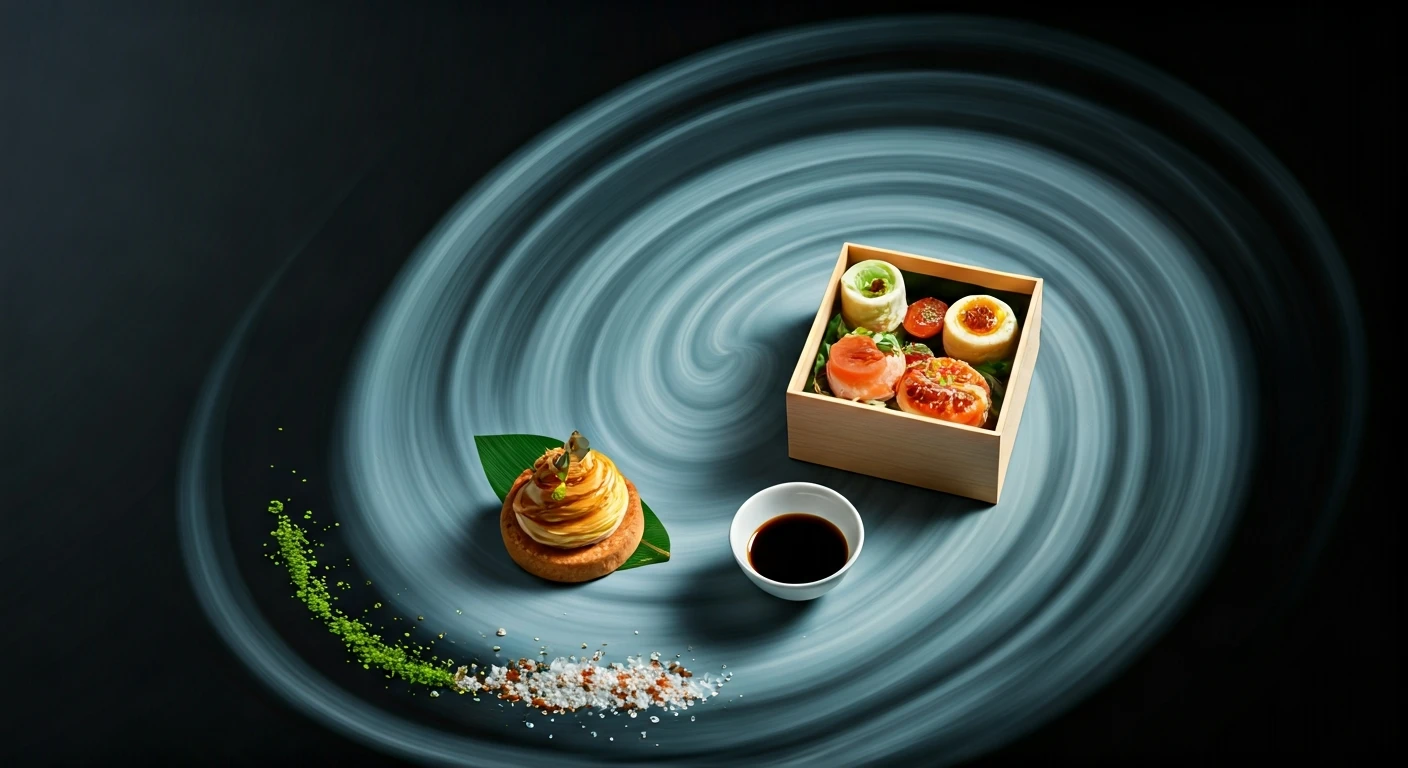
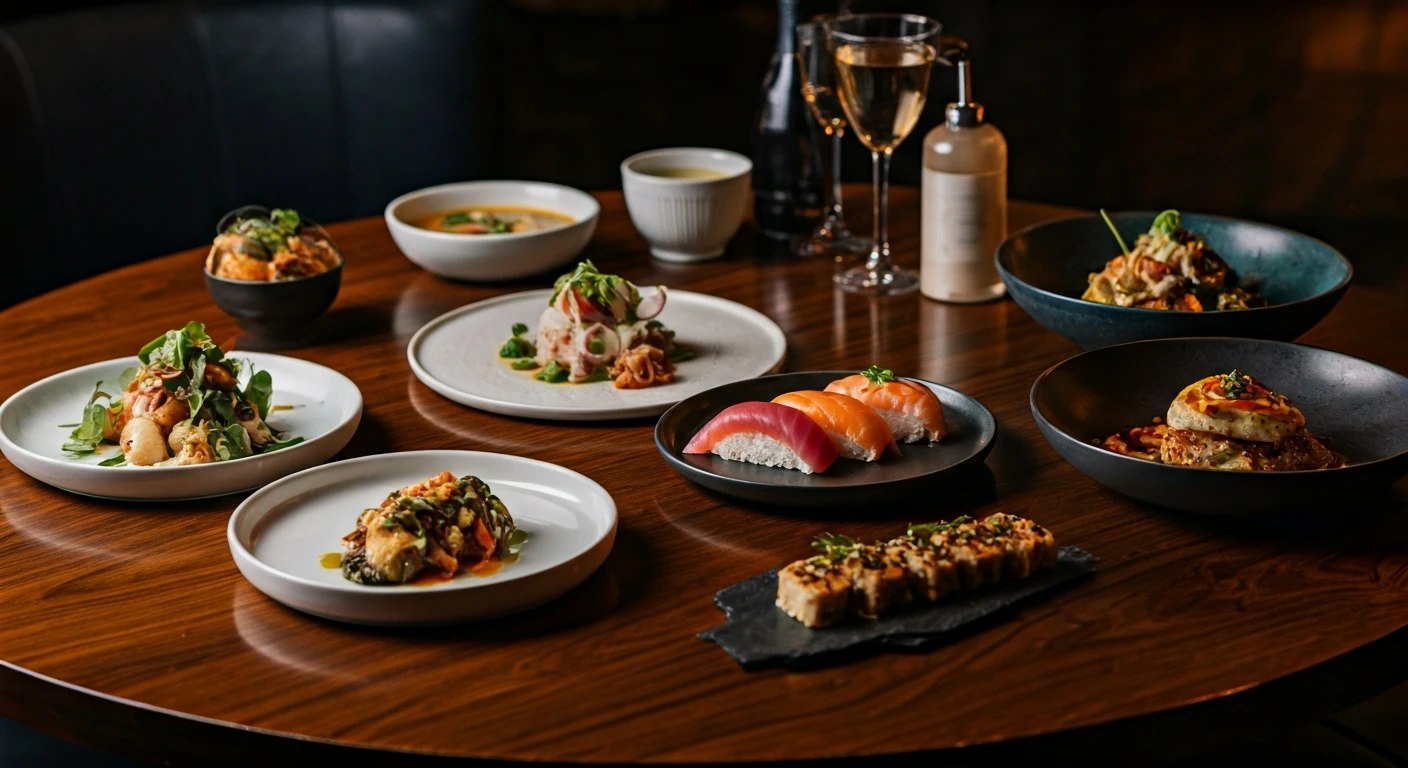
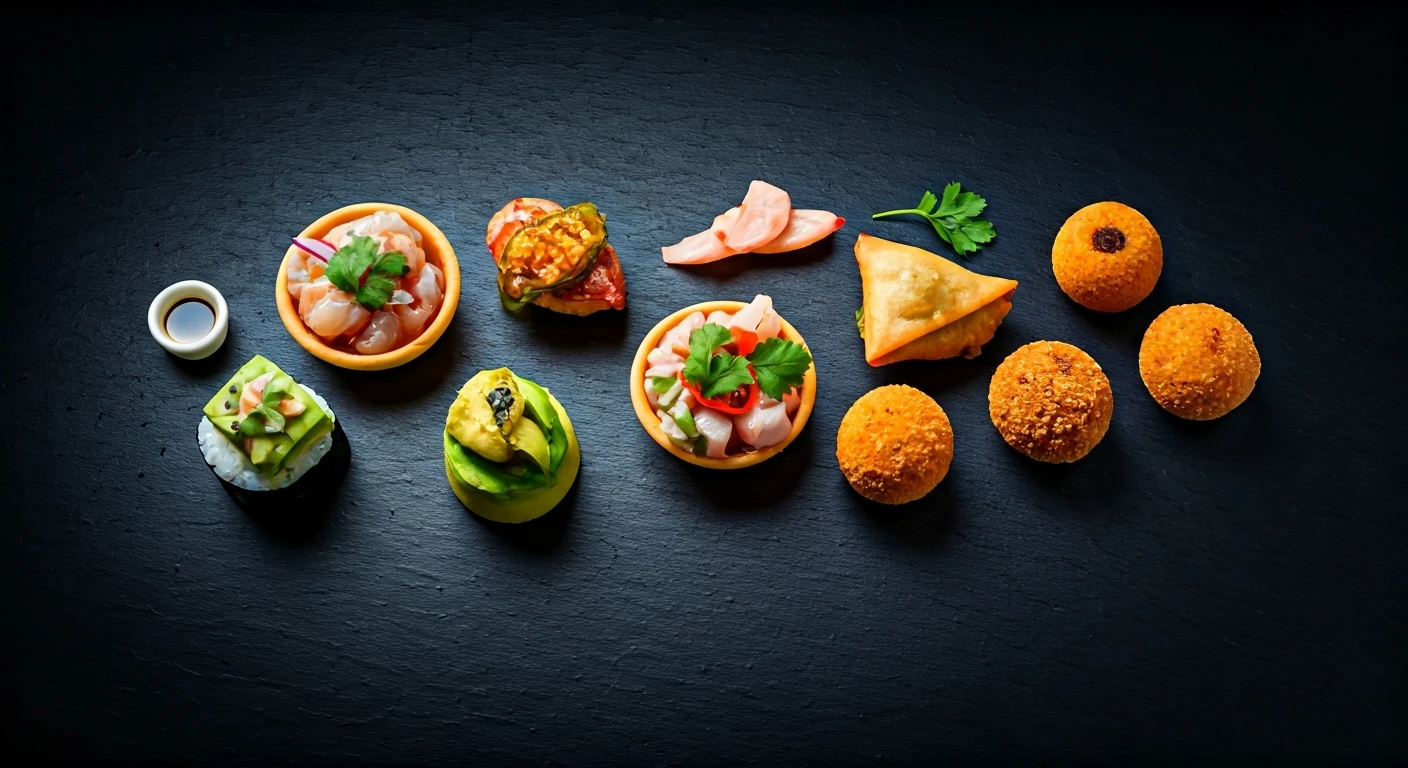
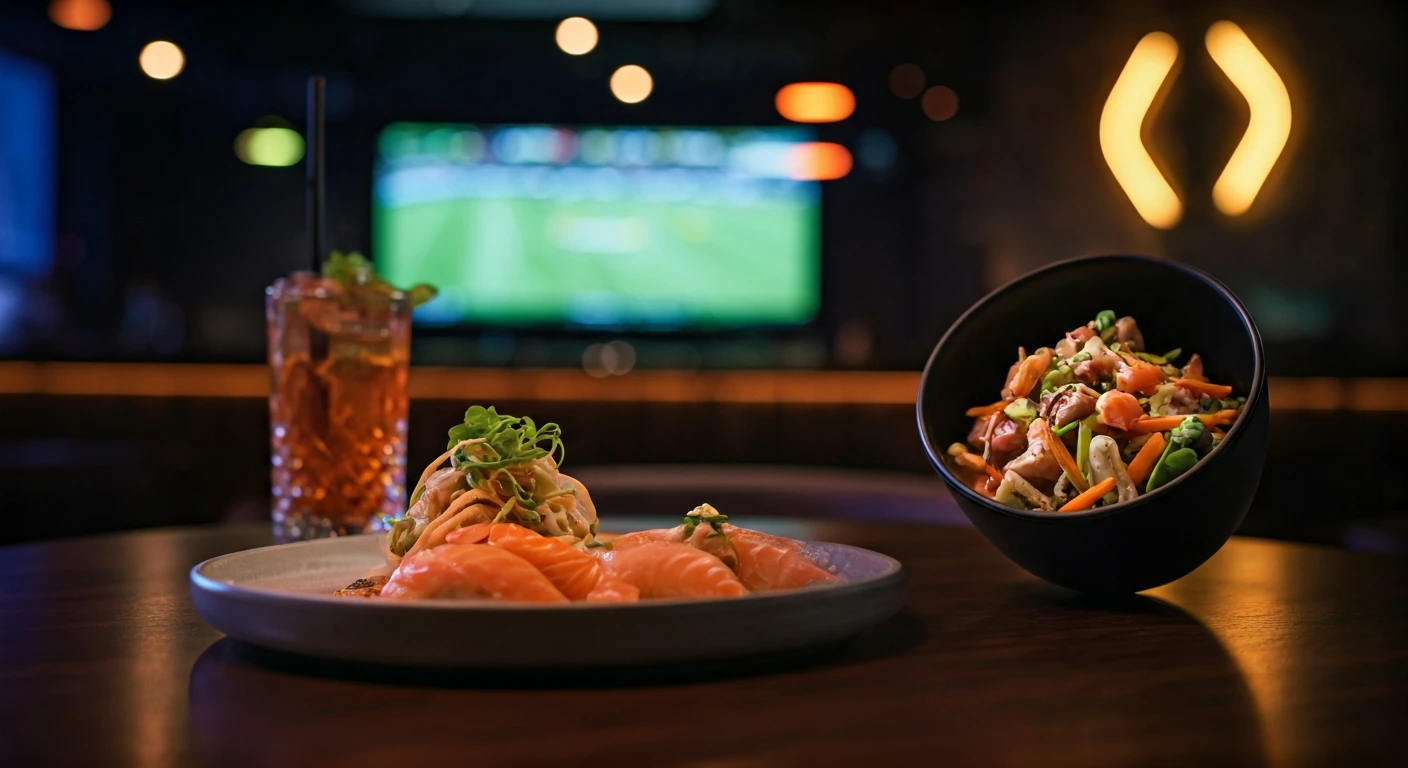
Leading the charge is a profound embrace of Japanese cuisine. Once a niche luxury, it has become one of the city's most dynamic food categories. You can find everything from bustling, authentic ramen bars like Izumi to exquisite, high-end omakase experiences that rival those in Tokyo or New York. Sushi, sashimi, and yakitori are no longer exotic terms but staples for the city’s food-savvy populace. But the exploration doesn't stop in Asia. Latin American flavors, particularly Peruvian, have also found a fervent following. Restaurants are introducing Mumbaikars to the zesty brightness of ceviche and the smoky depth of anticuchos, proving the city’s palate is not just adventurous, but sophisticated and open to complex, unfamiliar flavor profiles.
What's Driving the Culinary Boom?
Several forces are fueling this transformation. First, there's the economic engine. A rising class of affluent, well-traveled Indians is returning from trips abroad—or from living abroad—with a taste for the food they experienced in London, Dubai, and Singapore. They demand more than just 'Indian' or 'Chinese' and are willing to pay for quality and authenticity. Social media has also played a massive role, with platforms like Instagram turning every beautifully plated dish into a must-try sensation. This has created a virtuous cycle: diners seek out new experiences, and restaurants are incentivized to innovate. Finally, a wave of Indian chefs, after honing their skills in Michelin-starred kitchens around the world, are returning home. They bring with them global techniques, discipline, and a desire to put Mumbai on the international culinary map.
A New Kind of Authenticity
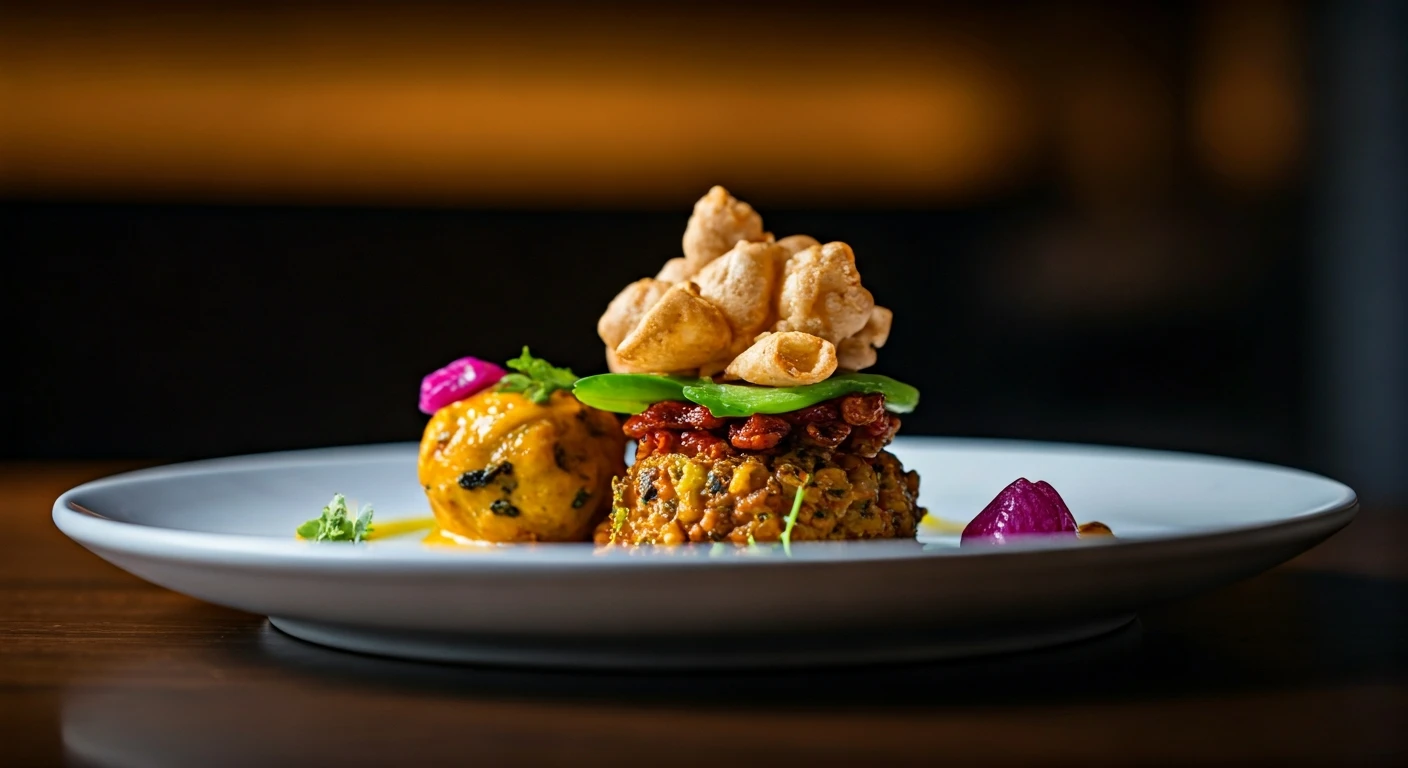
Perhaps the most exciting aspect of Mumbai’s new dining scene is that it’s not just about replication. The best new restaurants aren’t simply importing foreign concepts; they’re adapting them, creating a new, hybrid identity. This might mean a Japanese restaurant that subtly incorporates local seafood, a modern European bistro that champions ingredients from the Himalayas, or a chef using French techniques to reinterpret a traditional Maharashtrian dish. Esteemed establishments like Masque, frequently listed among Asia's 50 Best Restaurants, have built their philosophy around this very idea, offering a tasting menu that is deeply rooted in Indian produce yet presented with a globally informed, modernist perspective. This isn’t a loss of authenticity, but the creation of a new one—uniquely, thrillingly, and deliciously Mumbaikar.