

The Pandemic’s Green Thumb Effect
The most immediate catalyst was, unsurprisingly, the global pandemic. Confined to our homes, Americans desperately sought new ways to fill their time, beautify their spaces, and connect with something tangible. Gardening offered a perfect solution. It
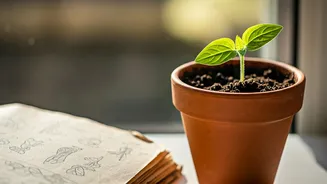
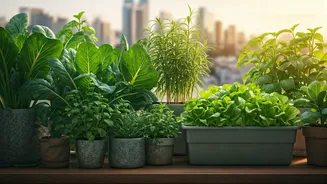
was a project—a slow, rewarding process that provided a sense of control and purpose during a time of profound uncertainty. Suddenly, the balcony wasn't just a place to store a bicycle; it was a potential sanctuary. Nurseries reported massive spikes in sales for seeds, soil, and planters as millions of people, many for the first time, decided to cultivate life in whatever small patch of earth, or pot, they could call their own.
An Algorithm-Friendly Aesthetic
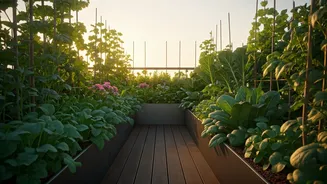
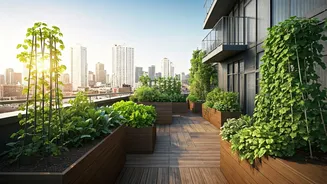
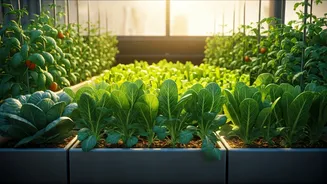
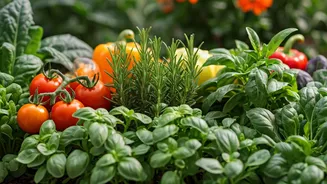
Terrace gardening is, simply put, incredibly photogenic. The visual appeal is undeniable: the vibrant greens of foliage against urban brick, the pop of a red tomato, the romantic cascade of flowering vines. This makes it perfect content for platforms like Instagram and Pinterest, which prioritize beautiful, inspiring imagery. The trend dovetails perfectly with dominant online aesthetics like “cottagecore” (a romanticized vision of rural life) and biophilic design (the integration of nature into architecture). A well-curated terrace garden isn’t just a garden; it’s a status symbol, a backdrop for lifestyle photos, and a testament to one's taste and dedication. Every perfectly ripe strawberry or blooming dahlia becomes shareable content, feeding a cycle of inspiration and aspiration.
Wellness in a Window Box
Beyond the aesthetics, the trend is deeply rooted in the modern pursuit of wellness. A growing body of research supports what gardeners have always known: interacting with plants is good for your mental health. The practice, often called horticultural therapy, is shown to reduce stress, lower cortisol levels, and combat feelings of anxiety and depression. The simple, repetitive tasks of watering, pruning, and weeding encourage mindfulness, pulling people away from their screens and into the present moment. For urban dwellers, often starved for green space, a small terrace garden provides a vital, daily connection to nature. It’s a form of self-care that produces a tangible, beautiful result.
A Small Slice of Sustainability
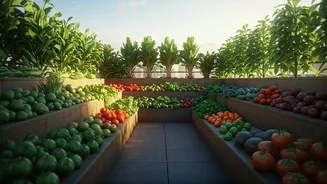
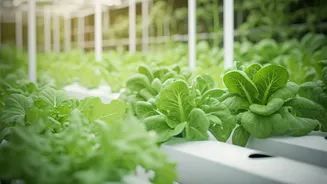
While a few pots of basil won't solve the climate crisis, terrace gardening taps into a growing desire for sustainability and a closer connection to our food. Growing your own herbs, lettuces, or cherry tomatoes—even on a tiny scale—provides a powerful understanding of where food comes from. It offers a way to opt out, in a small but meaningful way, from complex supply chains and concerns about pesticides. This “hyper-local” food source feels empowering. It aligns with a broader cultural shift towards conscious consumerism and reducing one’s environmental footprint. Knowing you can walk a few steps to snip fresh mint for your drink or basil for your pasta is a luxury that feels both wholesome and modern.
Accessibility and a Community of Knowledge
Terrace gardening is no longer the exclusive domain of those with sprawling patios and expert knowledge. The market has responded with a flood of innovative products designed for small-space living: stylish vertical planters, self-watering pots, compact grow lights, and specialized container-friendly soil mixes. More importantly, the internet has democratized gardening knowledge. YouTube, TikTok, and blogs are filled with tutorials on everything from building a raised bed on a balcony to fighting off aphids in an apartment. This digital community of gardeners offers endless advice and encouragement, making the hobby feel far less intimidating for beginners. You don't need a yard; you just need a Wi-Fi connection and a sunny spot.