









Moving Beyond Quantity
For decades, the Indian beverage landscape was largely dominated by a few key players: beer and whisky. Social drinking often prioritized volume over variety. But in the bustling cafes and high-energy bars of Mumbai, Bangalore, and Delhi, that script
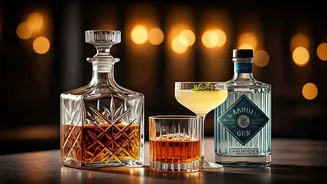
is being rewritten. Young, urban, and globally-connected Indians are leading a charge toward “premiumization.” The new mantra isn’t about drinking more; it’s about drinking *better*. This isn't just about paying more for a fancy label. It’s a fundamental shift in mindset. Instead of settling for the standard-issue lager or a rough domestic whisky, this demographic is seeking out complex flavor profiles, interesting backstories, and unique experiences. They’re spending their growing disposable income on single-malt Scotch, Japanese whiskies, and small-batch spirits. It’s a conscious choice to savor one excellent drink rather than consume several mediocre ones, reflecting a broader trend towards quality and experience over sheer quantity.
The Great Indian Gin-aissance
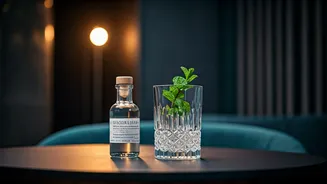
Nowhere is this shift more visible than in the explosive rise of Indian craft gin. Just a few years ago, gin was a sleepy, often-ignored spirit in the country. Today, it’s the star of the show. A wave of homegrown artisanal brands—like Greater Than, Stranger & Sons, and Hapusa—have captured the imagination of young drinkers by infusing their spirits with uniquely Indian botanicals, from Himalayan juniper to Goan coriander and Nagpur oranges. This “gin-aissance” wasn’t just a lucky break; it was a perfect storm. Gin is a versatile base for cocktails, appealing to a generation eager to experiment. The branding is modern, social media-friendly, and tells a compelling story of local pride and global sophistication. It allowed a new generation of entrepreneurs to create a product that felt both authentically Indian and entirely world-class, tapping directly into the aspirations of their peers.
The Rise of Mindful Drinking
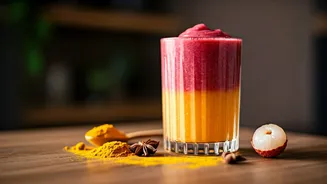
Parallel to the premium spirits boom is an equally powerful trend toward mindful consumption. Influenced by global wellness movements, many young Indians are becoming more conscious of alcohol's effects on their health. This has fueled a surge in demand for low-alcohol and non-alcoholic alternatives that don't sacrifice flavor or social ritual. Breweries are rolling out crisp, satisfying zero-alcohol beers, while bars are crafting elaborate “mocktails” with the same care and complexity as their alcoholic counterparts. These aren't the sugary, syrupy afterthoughts of the past. Think infusions, house-made shrubs, and premium mixers. This “sober curious” movement in India isn't necessarily about total abstinence. For many, it’s about having options—the flexibility to enjoy a night out with friends without the pressure to consume alcohol, creating a more inclusive and health-aware social scene.
A Statement of Identity
Ultimately, this shift in sipping habits is about more than just what's in the bottle. It’s a form of self-expression for a generation that is more educated, well-traveled, and digitally connected than any before it. Their choices reflect a new kind of Indian identity—one that is confident in its local roots but fluent in global conversations. Choosing a craft gin infused with local spices or a meticulously prepared non-alcoholic cocktail is a way of signaling cultural capital. It says, “I’m discerning, I’m modern, and I value quality.” It’s a quiet rejection of the old ways and an embrace of a more personalized, experience-driven lifestyle. This isn’t just a passing fad; it’s a reflection of the economic and cultural maturation of India’s massive youth population.