


1. Conduct a Thorough Pest Inspection
Plants that spent the summer sunbathing on your patio or fire escape may have picked up unwanted guests. Before you even think about bringing them indoors, a meticulous pest check is non-negotiable. Inspect the undersides of leaves, the crooks where stems
meet, and the surface of the soil for common culprits like spider mites, aphids, mealybugs, and scale. Look for fine webbing, sticky residue (known as honeydew), or tiny insects. If you find any, isolate the plant immediately. Treat it with a gentle insecticidal soap or neem oil solution, wiping down the leaves and stems. Repeat the treatment a week later to catch any newly hatched pests. Bringing a single infested plant inside can trigger a full-blown invasion that spreads through your entire indoor collection.
2. Prune, Trim, and Tidy Up
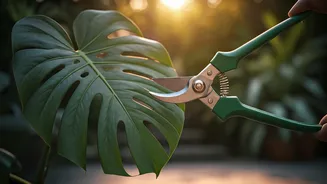
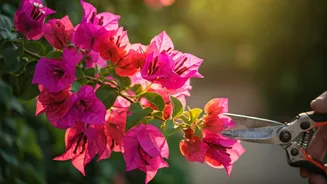
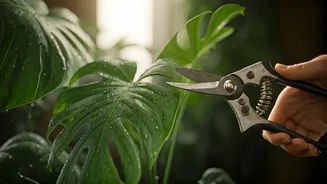
Summer is a time of exuberant growth, but not all of it is worth keeping. Now is the perfect moment for a strategic haircut. Prune away any dead, yellowing, or damaged leaves and stems. This not only improves the plant's appearance but also directs its energy toward healthy growth and prevents potential decay. For plants that have become leggy or overgrown during the summer, a light trim can encourage bushier, more compact growth. It also helps manage the plant's size, which is especially important if it's moving to a smaller indoor spot. Think of it as a seasonal reset, helping your plant consolidate its resources before the lower-light conditions of winter.
3. Re-evaluate Your Watering Schedule
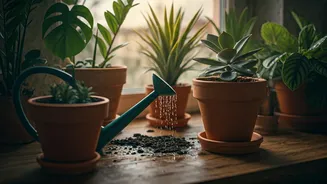
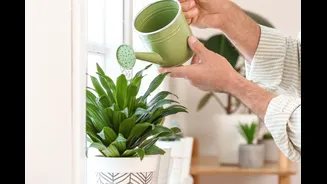
The single biggest mistake plant parents make during the fall transition is overwatering. As temperatures drop and daylight hours decrease, most plants slow their growth and enter a period of semi-dormancy. Their water needs plummet accordingly. That twice-a-week summer watering routine will quickly lead to root rot in October. Before watering, stick your finger an inch or two into the soil. If it feels moist, wait. Let the soil dry out more than you would in July. For many common houseplants, this might mean shifting from watering every few days to watering every week or two. Your plants are going to sleep; don't drown them.
4. Acclimate Plants Moving Indoors
Moving a plant directly from the bright, humid outdoors to a dry, centrally heated home is a recipe for shock, leading to dramatic leaf drop. Instead of a sudden move, acclimate them over a week or two. Start by bringing the plants into a sheltered, shady spot on your porch or balcony for a few days. Then, bring them indoors for a few hours each day, gradually increasing their time inside. This slow transition helps them adjust to the significant drop in light, temperature, and humidity. Rushing this step is a common cause of failure for otherwise healthy plants that spent their vacation outdoors.
5. Find the Winter Sun
The bright, indirect light of a north-facing window in July is very different from that same window in November. The sun's path is lower and the daylight is weaker in fall and winter. That prized spot that was perfect all summer might now be too dim. Evaluate your indoor light situation. You may need to move your sun-loving plants to a south- or west-facing window to maximize their exposure. For plants in lower-light spots, consider wiping down their leaves with a damp cloth to remove dust, which can block precious light from reaching the leaves. Every photon counts during the shorter days.
6. Hold Off on the Fertilizer
Fertilizing is for the growing season. As plants prepare for their winter rest, feeding them encourages weak, flimsy new growth that is more susceptible to pests and diseases. The plant simply can't make good use of the extra nutrients without adequate light and warmth. Stop fertilizing most houseplants by early fall and don't resume until you see signs of active new growth in the spring. Forcing growth during dormancy exhausts the plant, leaving it weaker for the next growing season. Let them rest.